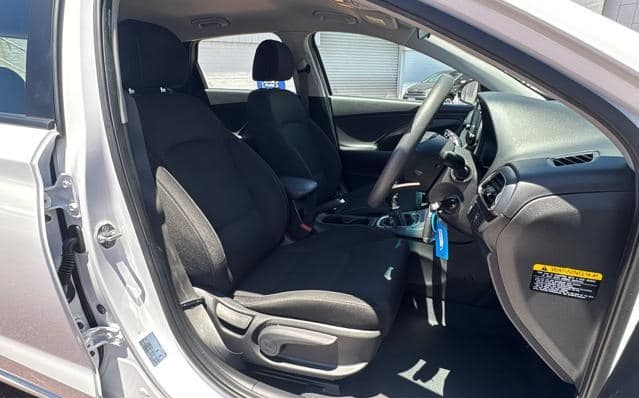
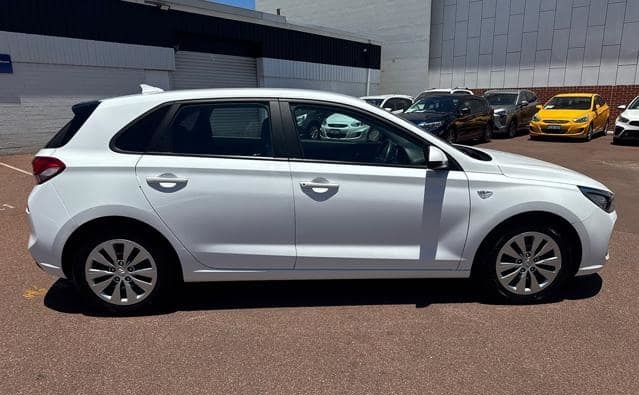
As an experienced car inspector in Uganda, I’ve seen a range of vehicles suited for our diverse driving conditions. Many buyers are looking for urban commuting solutions that not only navigate city traffic efficiently but also offer fuel economy and reliability. For those living upcountry, the emphasis shifts toward a vehicle’s capability to handle rough terrains and longer distances, while ensuring budget constraints are met with manageable maintenance costs. With the Hyundai i30 2.0 2020, potential buyers may wonder: How well does this model perform in terms of fuel efficiency during city commuting, especially in congested areas like Kampala? What are its capabilities for handling the rugged roads found in more rural regions, and how does it stand up to the wear and tear that can come with that kind of travel? Lastly, what are the ongoing maintenance costs associated with the i30, particularly in the context of Uganda’s unique automotive landscape? These concerns are vital for anyone considering a purchase, as they can significantly impact long-term satisfaction and financial planning.
Answer
Verdict
Suitable with conditions. The Hyundai i30 2.0 2020 has a reasonable fuel efficiency for urban driving in Uganda, but factors such as Kampala traffic, road conditions, and seasonal weather can impact performance.
Fuel Efficiency Overview
The Hyundai i30 2.0 typically offers fuel consumption ranging from 8 to 11 km per liter, depending on driving conditions and vehicle trim. This means that while it can be efficient in city settings, real-world scenarios in Uganda, like stop-and-go traffic and frequent detours due to potholes, may affect overall mileage.
Urban Driving Conditions in Uganda
Kampala’s congested traffic requires vehicles to handle frequent stops and starts, which can lower fuel efficiency. Additionally, road conditions, including speed humps and potholes, pose challenges that may further strain fuel consumption. The rainy season can also lead to difficult driving conditions, affecting how the i30 performs during these times.
Performance on Upcountry Roads
When traveling upcountry, the Hyundai i30 2.0 can perform adequately on well-maintained routes. However, in areas with poor road infrastructure, the vehicle may struggle, leading to potential increases in fuel consumption.
Driving Habits and Maintenance
Fuel efficiency can vary significantly based on driving habits, such as aggressive acceleration or frequent idling. Regular maintenance is critical in ensuring the vehicle runs efficiently, especially in challenging driving environments.
Summary
The Hyundai i30 2.0 2020 is generally suitable for urban driving in Uganda, particularly if considerations for traffic conditions and road maintenance are taken into account. However, its efficiency varies based on multiple factors, making it essential for drivers to remain mindful of their driving environment.
FAQs
What is the expected fuel consumption of the Hyundai i30 2.0 2020?
The fuel consumption generally ranges from 8 to 11 km per liter, depending on the trim and driving conditions.
How does Kampala traffic affect fuel efficiency?
Kampala’s congested traffic leads to frequent stops and starts, which can substantially reduce fuel efficiency.
Are there specific conditions that worsen fuel consumption?
Yes, conditions such as potholes, speed humps, and rainy weather can negatively affect fuel consumption.
Is the Hyundai i30 2.0 2020 suitable for long-distance travel?
It can be suitable for long-distance travel on well-maintained roads, but poor infrastructure can lead to increased fuel consumption.
How can I improve fuel efficiency in my Hyundai i30?
Maintaining regular service intervals, driving smoothly, and avoiding excessive idling can help improve fuel efficiency.
The LAND ROVER DISCOVERY 3 2009, produced in 2009, embodies a robust design and advanced features that cater to off-road enthusiasts, making it a notable contender for Uganda’s diverse terrains....
The Land Rover Discovery 3 Manual Diesel 2008 is a robust vehicle well-suited for the varied terrains of Uganda, where off-road driving is often essential. Known for its advanced four-wheel...
The Land Rover Discovery 30-Diesel 2015 is a vehicle designed for both luxury and rugged terrain, making it a popular choice for adventurers in Uganda. With its powerful diesel engine,...
As an experienced car inspector in Uganda, I often encounter potential buyers eager to find a vehicle that meets their unique needs. Uganda’s diverse terrains—from bustling city streets to rugged...
Family owned dealership of new and pre-owned vehicles with several locations across the Uganda. Lowest prices and the best customer service guaranteed.
You're almost there, select at least one more to compare!
We use cookies to ensure that we give you the best experience on our website. If you continue to use this site we will assume that you are happy with it.
You can revoke your consent any time using the Revoke consent button.