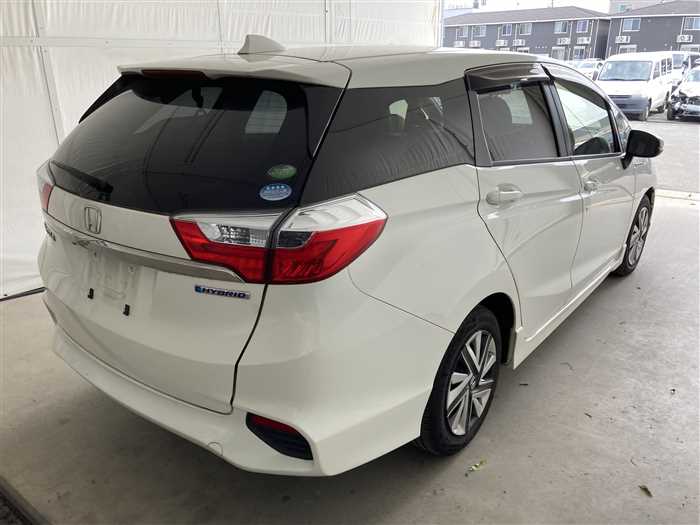
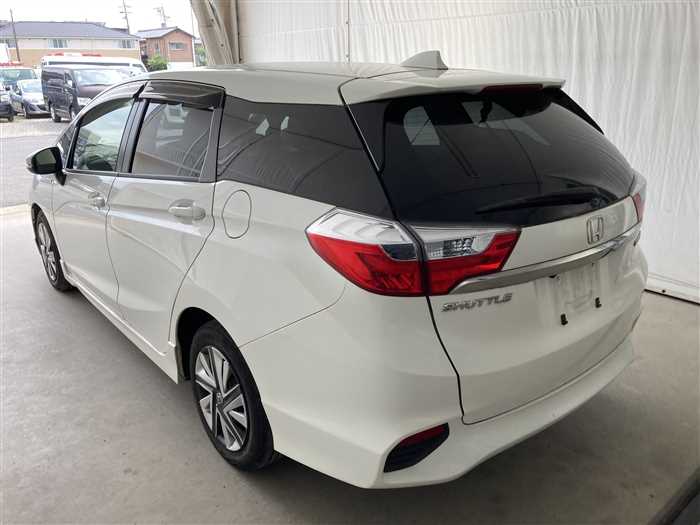
The Honda Shuttle Hybrid 2017 presents a unique blend of fuel efficiency and practicality, which can be appealing in the varied landscapes of Uganda. With its hybrid technology, the vehicle promises reduced emissions and lower fuel consumption, making it a potential fit for environmentally conscious Ugandans. However, Uganda’s road conditions, which often include uneven surfaces and poorly maintained routes, pose challenges for any vehicle’s performance and reliability. Factors such as ground clearance, suspension durability, and the vehicle’s ability to handle rough terrains are crucial considerations. Additionally, the availability of spare parts and service support within the region will determine the long-term feasibility of owning this hybrid model. Understanding these dynamics is essential for prospective buyers assessing whether the Honda Shuttle Hybrid meets their needs in the context of Ugandan driving conditions.
Introduction
The Honda Shuttle Hybrid 2017 is designed to blend efficiency with versatility. As Uganda continues to develop its infrastructure, many are considering whether this hybrid model can withstand the country’s unique road conditions. Let’s evaluate its suitability for the Ugandan landscape.
Engine Performance
The Honda Shuttle Hybrid features a 1.5-liter engine paired with an electric motor. This combination allows it to be fuel-efficient, making it economical for city driving and occasional long trips. However, the power output might feel slightly less robust when traversing Uganda’s more rugged terrains.
Suspension and Handling
With a suspension tuned for comfort, the Shuttle Hybrid can handle potholes and uneven surfaces commonly found on Ugandan roads. Nevertheless, its lower ground clearance could pose challenges in some areas, particularly during the rainy season when roads become muddy and unpredictable.
Fuel Efficiency
One of the main advantages of the Shuttle Hybrid is its fuel efficiency. Drivers can expect to save on fuel costs, which can be particularly beneficial in a country where fuel prices can fluctuate. This economic aspect makes it appealing for both urban commuting and longer journeys.
Interior Space and Comfort
The Shuttle Hybrid offers ample space for passengers and luggage. This is a significant benefit for families or groups traveling together. Additionally, the interior features are designed for comfort, which is a plus for long drives on Uganda’s scenic routes.
Technology and Features
Modern technology integrates seamlessly with the Shuttle Hybrid, offering features like Bluetooth connectivity, a touchscreen display, and safety aids. However, the availability of spare parts and technical support can be more sporadic in rural areas, which may affect long-term usability.
Maintenance and Repair
Maintenance of the Honda Shuttle Hybrid may require specialized knowledge, especially due to its hybrid system. While urban centers might have qualified mechanics, more remote areas might not offer the same level of service, making repairs more challenging.
Resale Value
The hybrid vehicle market in Uganda is still evolving. While the Honda brand is generally respected, the resale value of a hybrid might not compete with conventional vehicles in rural settings. Buyers should consider this when investing in this model.
Final thoughts
In summary, the Honda Shuttle Hybrid 2017 presents a viable option for those looking for an efficient vehicle in Uganda, but potential buyers should evaluate their specific needs regarding road conditions and availability of maintenance services.
Summary
Ultimately, the Honda Shuttle Hybrid combines efficiency with comfort. While it is suitable for urban driving and many road conditions, its performance may be less ideal in rural contexts. Factors like servicing and availability of parts are also critical when considering this vehicle in Uganda.
FAQs
1. Is the Honda Shuttle Hybrid suitable for rural roads in Uganda?
While it has a comfortable suspension, its lower clearance may not handle very rough terrains well.
2. What is the fuel efficiency of the 2017 Honda Shuttle Hybrid?
It offers excellent fuel efficiency, making it less costly to operate compared to non-hybrid vehicles.
3. Are spare parts readily available for the Honda Shuttle Hybrid in Uganda?
Spare parts may be more challenging to find, especially outside urban areas.
4. How does the Honda Shuttle Hybrid perform in rainy conditions?
The car is generally reliable, but lower ground clearance can be problematic in heavy mud or deep water.
5. What is the resale value of the Honda Shuttle Hybrid in Uganda?
Resale value may not be as high compared to traditional vehicles, especially in rural areas as hybrid vehicles are less common.
The LAND ROVER DISCOVERY 3 2009, produced in 2009, embodies a robust design and advanced features that cater to off-road enthusiasts, making it a notable contender for Uganda’s diverse terrains....
The Land Rover Discovery 3 Manual Diesel 2008 is a robust vehicle well-suited for the varied terrains of Uganda, where off-road driving is often essential. Known for its advanced four-wheel...
The Land Rover Discovery 30-Diesel 2015 is a vehicle designed for both luxury and rugged terrain, making it a popular choice for adventurers in Uganda. With its powerful diesel engine,...
As an experienced car inspector in Uganda, I often encounter potential buyers eager to find a vehicle that meets their unique needs. Uganda’s diverse terrains—from bustling city streets to rugged...
Family owned dealership of new and pre-owned vehicles with several locations across the Uganda. Lowest prices and the best customer service guaranteed.
You're almost there, select at least one more to compare!
We use cookies to ensure that we give you the best experience on our website. If you continue to use this site we will assume that you are happy with it.
You can revoke your consent any time using the Revoke consent button.