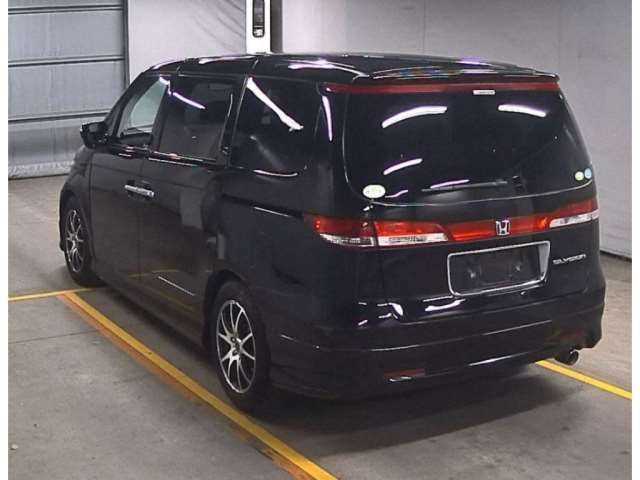
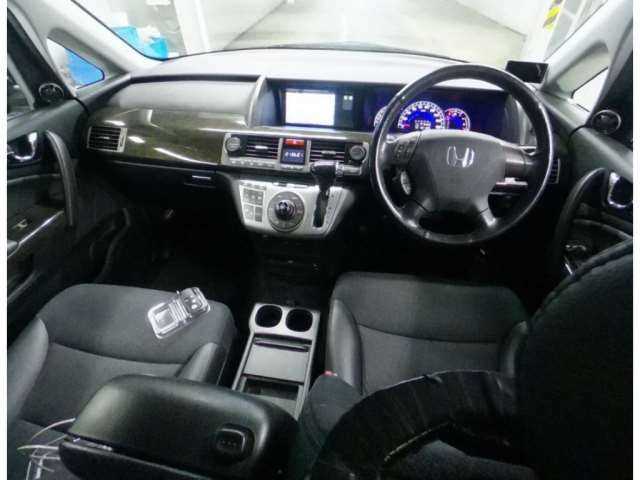
The Honda Elysion 2011, a minivan well-regarded for its spaciousness and comfort, draws attention in urban settings like Uganda’s bustling cities. Designed with a focus on practicality, it showcases features that cater to family and commuter needs. Fuel efficiency is a critical factor for many Ugandan drivers, where city traffic and road conditions can significantly impact consumption rates. The Elysion’s engine performance and technology play a vital role in determining how economical it is during daily commutes. Evaluating its fuel consumption against local driving conditions can offer insights into its suitability for urban environments. Understanding these aspects is essential for potential owners considering the vehicle’s long-term viability in Uganda’s vibrant yet challenging landscape.
Introduction
The Honda Elysion 2011 is becoming a popular choice among urban dwellers in Uganda. With the increasing fuel prices, prospective buyers are keen to understand its fuel efficiency for city driving. This article examines how well this vehicle performs in congested city traffic and on fuel consumption.
Performance Overview
The 2011 Honda Elysion features a 2.4-liter four-cylinder engine and a 3.5-liter V6 option. The choice of engine significantly impacts fuel economy. Most users in Uganda lean towards the 2.4-liter version for better fuel savings.
Fuel Consumption in Urban Areas
When driving in Kampala’s city traffic, the 2.4-liter engine averages approximately 10-12 km/l. This range can vary based on driving habits, traffic conditions, and maintenance. For a vehicle of this size, it’s relatively efficient compared to larger SUVs.
Driving Conditions in Uganda
The road conditions in Uganda, including potholes and poorly maintained surfaces, can affect fuel efficiency. The Honda Elysion manages these challenges fairly well. Its suspension system adapts to urban roads, providing a smoother ride and contributing to better fuel use.
Fuel Quality
In Uganda, fuel quality may vary. Poor-quality fuel can lead to reduced fuel efficiency. Opting for trusted fuel stations can help drivers maximize the car’s performance and mileage.
Cost of Maintenance
Maintenance costs for the Honda Elysion are generally reasonable. Regular servicing can prevent issues that lead to increased fuel consumption. Routine checks of air filters and tire pressures can also play a significant role in maintaining efficiency.
Comparison with Competitors
Compared to similar vehicles like the Toyota Noah and Nissan Serena, the Honda Elysion stands out in terms of reliability and overall fuel efficiency. It’s essential to consider these factors when choosing a vehicle for city driving.
Real-Life User Experiences
User reviews indicate that many find the Honda Elysion suitable for family use while still being economical for daily commutes. Positive feedback centers on its spacious interior and comfortable seating, making urban travel more enjoyable.
Challenges Faced by Drivers
Some challenges include an occasional high fuel consumption during traffic jams. However, drivers appreciate the vehicle’s performance once it’s moving efficiently.
Summary
The Honda Elysion 2011 demonstrates good fuel efficiency for city driving in Uganda, especially with its 2.4-liter engine. While challenges like road conditions and fuel quality exist, the vehicle remains a practical option for urban families needing a reliable and comfortable ride.
FAQs
1. What is the fuel efficiency of the Honda Elysion 2011 in city conditions?
The Honda Elysion 2011 typically achieves about 10-12 km/l in urban traffic.
2. Is the 3.5-liter engine version more fuel-efficient than the 2.4-liter?
No, the 2.4-liter engine is generally more fuel-efficient than the 3.5-liter variant, especially for city driving.
3. How does road condition affect fuel consumption?
Poor road conditions can lead to increased fuel consumption due to more frequent stops and starts, but the Elysion’s suspension helps mitigate this issue.
4. Can fuel quality impact the overall efficiency of the Honda Elysion?
Yes, using lower-quality fuel can negatively affect the engine’s performance and increase fuel consumption.
5. What are common maintenance tips to improve fuel efficiency?
Regularly servicing the vehicle, checking tire pressures, and ensuring clean air filters can all improve fuel efficiency significantly.
The Land Rover Discovery 3 Manual Diesel 2008 is a robust vehicle well-suited for the varied terrains of Uganda, where off-road driving is often essential. Known for its advanced four-wheel...
The LAND ROVER DISCOVERY 3 2009, produced in 2009, embodies a robust design and advanced features that cater to off-road enthusiasts, making it a notable contender for Uganda’s diverse terrains....
The Land Rover Discovery 30-Diesel 2015 is a vehicle designed for both luxury and rugged terrain, making it a popular choice for adventurers in Uganda. With its powerful diesel engine,...
The 2009 Land Rover Discovery 4 Automatic Diesel stands out for its robust engineering and off-road capabilities, making it a potential fit for Uganda’s diverse terrain. With a powerful diesel...
Family owned dealership of new and pre-owned vehicles with several locations across the Uganda. Lowest prices and the best customer service guaranteed.
You're almost there, select at least one more to compare!
We use cookies to ensure that we give you the best experience on our website. If you continue to use this site we will assume that you are happy with it.
You can revoke your consent any time using the Revoke consent button.