As an experienced car inspector in Uganda, I often encounter prospective buyers grappling with the suitability of various vehicles for the unique driving conditions our country presents. The HINO RANGER 3.6T 2012 is one such model that sparks interest, especially among those commuting within city limits, traveling upcountry, or navigating budget and maintenance concerns. For city commuters, the size and maneuverability of the HINO is often a primary consideration; can it handle tight urban spaces while still offering the capacity needed for transporting goods? For those planning trips to rural areas, the durability of the vehicle on rough, unpaved roads is crucial; is the suspension robust enough to manage Uganda’s challenging terrain? Additionally, with budget-conscious buyers, the cost of maintenance and fuel efficiency becomes a burning question; how does the overall upkeep of this model stack up against others in its class? Understanding these perspectives can significantly influence purchasing decisions.
Answer
Verdict
Suitable with conditions. The HINO RANGER 3.6T 2012 can handle rough terrain in Uganda but may encounter challenges due to its size and weight, particularly in areas with poorly maintained roads, potholes, and during the rainy season.
Terrain Handling
In Uganda, where roads can be a mix of asphalt, potholes, and unpaved surfaces, the HINO RANGER 3.6T offers a robust build that can manage tough terrains. However, drivers should take extra caution in rural areas and during the rainy season when roads become muddy and difficult to navigate.
Fuel Efficiency
The HINO RANGER 3.6T typically averages between 5 to 8 km per liter, depending on driving conditions, load, and maintenance. Keep in mind that fuel efficiency varies by trim, and it’s best to check specific details against the VIN for accurate metrics.
Comfort and Capacity
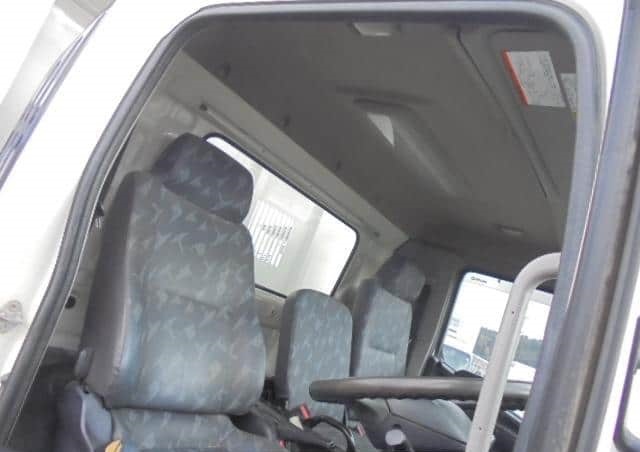
While designed for heavy loads and longer hauls, the ride comfort may be affected by hard road surfaces. The cabin is spacious, making it suitable for operators spending long hours on the road. However, city driving in Kampala, marked by traffic congestion, may also present challenges.
Maintenance Considerations
Routine maintenance is essential, especially in Uganda’s variable climate. Potholes and rough roads can lead to quicker wear and tear, particularly on suspension systems and tires. It is advisable to use local mechanics familiar with the HINO brand for efficient servicing.
Legal and Regulatory Compliance
Ensure that the vehicle complies with Uganda’s motor vehicle regulations, including necessary permits and road safety standards. This is particularly important for commercial use, as regulatory scrutiny is often more stringent.
Summary
The HINO RANGER 3.6T 2012 is generally suitable for Uganda’s rough terrain but requires driving caution and regular maintenance to adapt effectively to local road conditions.
FAQs
1. Is the HINO RANGER 3.6T capable of handling steep upcountry roads?
Yes, it is built to handle challenging inclines, though load and road conditions may impact performance.
2. What is the typical load capacity of the HINO RANGER 3.6T?
The load capacity generally ranges from 3.5 to 4 tons, but specifics can vary by trim.
3. How does the vehicle perform in heavy rains and muddy roads?
While the HINO RANGER can manage wet conditions, extreme mud may pose difficulties, necessitating careful navigation.
4. Are spare parts readily available for the HINO RANGER in Uganda?
Yes, spare parts for the HINO brand are generally available, but sourcing them may take longer in rural areas.
5. What kind of fuel is recommended for the HINO RANGER 3.6T?
Diesel fuel is recommended for optimal performance and efficiency with the HINO RANGER 3.6T.
The LAND ROVER DISCOVERY 3 2009, produced in 2009, embodies a robust design and advanced features that cater to off-road enthusiasts, making it a notable contender for Uganda’s diverse terrains....
The Land Rover Discovery 3 Manual Diesel 2008 is a robust vehicle well-suited for the varied terrains of Uganda, where off-road driving is often essential. Known for its advanced four-wheel...
The Land Rover Discovery 30-Diesel 2015 is a vehicle designed for both luxury and rugged terrain, making it a popular choice for adventurers in Uganda. With its powerful diesel engine,...
As an experienced car inspector in Uganda, I often encounter potential buyers eager to find a vehicle that meets their unique needs. Uganda’s diverse terrains—from bustling city streets to rugged...
Family owned dealership of new and pre-owned vehicles with several locations across the Uganda. Lowest prices and the best customer service guaranteed.
You're almost there, select at least one more to compare!
We use cookies to ensure that we give you the best experience on our website. If you continue to use this site we will assume that you are happy with it.
You can revoke your consent any time using the Revoke consent button.