The HINO LIESSE II BUS 2006 is a notable contender for long-distance travel in Uganda, particularly due to its reputation for durability and comfort. With a robust design, it can handle the varied terrains often encountered on Ugandan roads, from smooth highways to more challenging unpaved routes. The spacious interiors of the bus provide ample seating and luggage capacity, crucial for longer journeys that may include multiple passengers and their belongings. Additionally, its fuel efficiency makes it economically viable for extensive travel across the country. Maintenance support within Uganda is relatively accessible, further enhancing its suitability. As domestic travel continues to evolve, evaluating vehicles like the HINO LIESSE II can significantly impact the travel experience in Uganda.
Introduction
The HINO LIESSE II BUS 2006 has caught the attention of many transport companies in Uganda. With the increasing need for reliable long-distance travel solutions, it’s essential to evaluate whether this bus meets the demands of Uganda’s unique landscape and travel conditions.
Comfort for Passengers
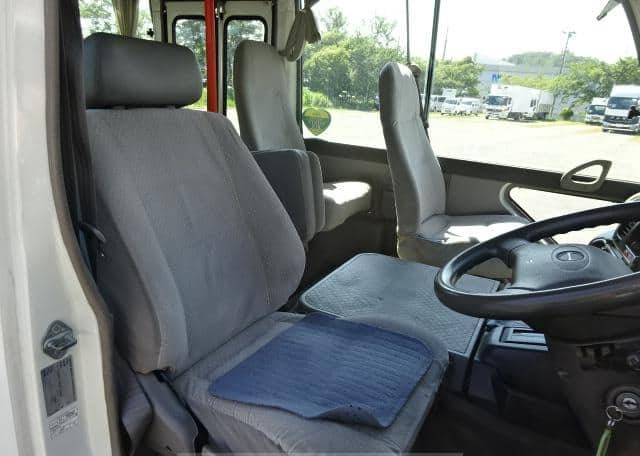
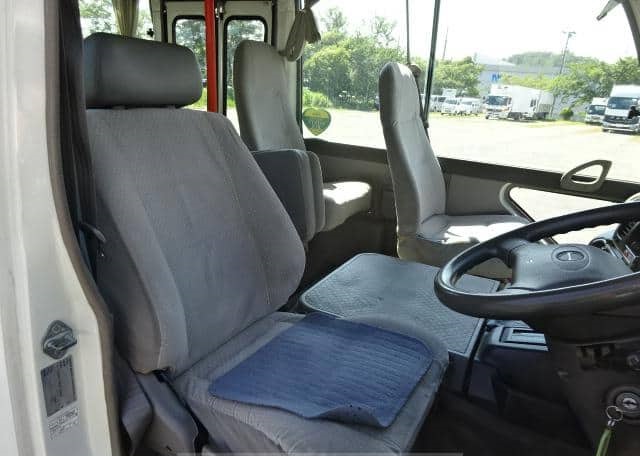
Passenger comfort is a primary concern for any long-distance journey. The HINO LIESSE II BUS is designed to offer ample seating space and legroom. This can enhance the travel experience, especially on long trips across the varying terrains of Uganda.
The reclining seats also allow passengers to rest during longer journeys, making the ride more enjoyable. With windows designed for better visibility, travelers can appreciate Uganda’s stunning landscapes.
Performance and Reliability
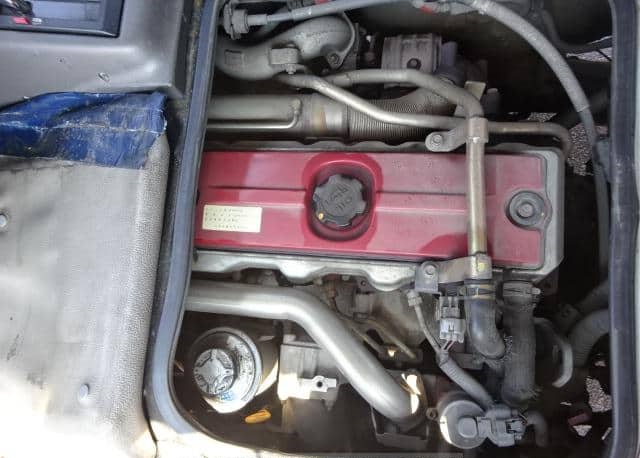
The performance of the HINO LIESSE II BUS is commendable. Its engine is powerful enough to handle the hilly terrains found in places like Fort Portal or Mbarara. The bus’s design also allows for good fuel efficiency, making it a cost-effective choice for long-distance travel.
Regular maintenance is essential. Keeping the bus in good condition ensures it can handle the rigors of longer routes without breaking down. Established service centers throughout Uganda make repairs and parts replacement manageable.
Safety Features
Safety is a top priority, especially on Uganda’s roads, which can be unpredictable. The HINO LIESSE II BUS is equipped with essential safety features like anti-lock brakes and an efficient braking system. These features can help reduce accidents and keep passengers safe on their journeys.
Capacity and Cost-Effectiveness
With a seating capacity that typically accommodates around 40 passengers, the bus is ideal for both small group travel and larger groups. This capacity allows operators to maximize revenue on long-distance routes.
When considering operational costs, the bus offers a balance between purchase price and fuel efficiency. This can be appealing for business owners looking to serve popular routes like Kampala to Jinja.
Suitability for Various Routes
The flexibility of the HINO LIESSE II BUS makes it suitable for various routes across Uganda. From busy urban areas to rural settings, the bus can adapt to different environments. Its robust chassis can handle rough roads often found in northern Uganda or near national parks.
Additionally, the bus’s size allows it to navigate through most urban traffic, making it suitable for travel within cities as well.
Environmental Impact
With increased focus on reducing carbon footprints, the HINO LIESSE II BUS stands out for its relative fuel efficiency. Transport companies can benefit from lower emissions, which align with the growing emphasis on environmentally-friendly practices in Uganda.
Challenges to Consider
Despite its advantages, the HINO LIESSE II BUS comes with challenges. Maintenance costs can add up, especially if the bus is used frequently. Operators must ensure routine checks are performed to avoid costly repairs.
Additionally, the availability of spare parts should be factored in, as sourcing them in remote areas can occasionally present a problem.
Summary
Overall, the HINO LIESSE II BUS 2006 presents a viable option for long-distance travel in Uganda. Its comfort, performance, and safety features make it a strong contender for transport companies aiming to serve both urban and rural areas effectively.
FAQs
1. How many passengers can the HINO LIESSE II BUS accommodate?
The bus typically accommodates around 40 passengers, making it suitable for various group sizes.
2. Is the HINO LIESSE II BUS fuel-efficient?
Yes, it is designed to be relatively fuel-efficient, enhancing operational cost-effectiveness.
3. What are the safety features of this bus?
The bus includes features like anti-lock brakes and a robust braking system to ensure passenger safety.
4. How does the bus perform on rough roads?
It performs well on rough terrains, making it a good choice for Uganda’s varied landscapes.
5. Are spare parts readily available in Uganda?
While common parts are usually available, sourcing specific components in remote areas can sometimes be challenging.
The LAND ROVER DISCOVERY 3 2009, produced in 2009, embodies a robust design and advanced features that cater to off-road enthusiasts, making it a notable contender for Uganda’s diverse terrains....
The Land Rover Discovery 3 Manual Diesel 2008 is a robust vehicle well-suited for the varied terrains of Uganda, where off-road driving is often essential. Known for its advanced four-wheel...
The Land Rover Discovery 30-Diesel 2015 is a vehicle designed for both luxury and rugged terrain, making it a popular choice for adventurers in Uganda. With its powerful diesel engine,...
As an experienced car inspector in Uganda, I often encounter potential buyers eager to find a vehicle that meets their unique needs. Uganda’s diverse terrains—from bustling city streets to rugged...
Family owned dealership of new and pre-owned vehicles with several locations across the Uganda. Lowest prices and the best customer service guaranteed.
You're almost there, select at least one more to compare!
We use cookies to ensure that we give you the best experience on our website. If you continue to use this site we will assume that you are happy with it.
You can revoke your consent any time using the Revoke consent button.