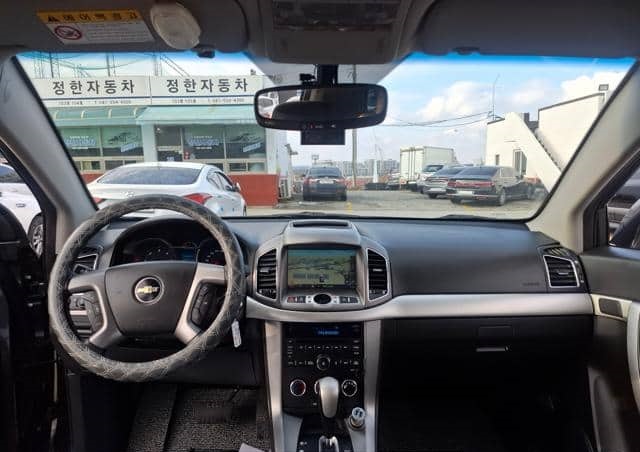
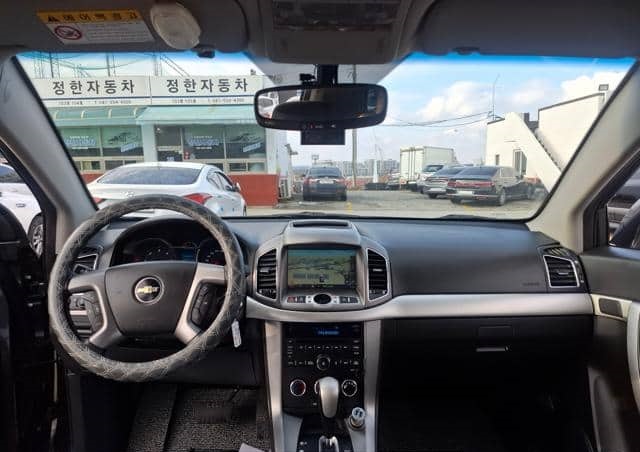
As an experienced car inspector in Uganda, I understand the diverse needs of buyers navigating the local automotive market. For city commuters, the efficiency and agility of a vehicle like the CHEVROLET CAPTIVA 2WD LS 2015 are crucial, as they often face congested roads and require a reliable option for daily travel. Those who need a dependable car for upcountry travel might prioritize durability and performance on varied terrains, while being mindful of fuel consumption to avoid high running costs. Additionally, budget-conscious buyers will focus on both the initial purchase price and the ongoing maintenance costs, ensuring they invest wisely. When evaluating this vehicle, potential buyers might wonder about how it performs in terms of fuel efficiency during everyday city driving conditions. Is it capable of handling the wear and tear associated with unpredictable Ugandan roads? Beyond that, how do its maintenance costs stack up against similar models, especially in the long run? Understanding these factors is crucial for making an informed decision.
Answer
Verdict
Suitable with conditions. The Chevrolet Captiva 2WD LS 2015 can manage urban driving in Kampala reasonably well, but its performance may be affected by heavy traffic, potholes, and speed humps frequently encountered in the city.
Fuel Efficiency Overview
The Chevrolet Captiva 2WD LS 2015 generally offers a fuel consumption range of approximately 9 to 12 kilometers per liter in city driving. However, this efficiency can vary based on driving habits, road conditions, and specific vehicle trim levels.
Urban Driving Conditions
Kampala’s urban environment presents unique challenges. Traffic congestion is common, resulting in stop-and-go driving that can impact fuel efficiency and increase wear on the vehicle. The presence of numerous potholes and speed humps can also necessitate frequent braking and acceleration, further influencing overall performance.
Weather Considerations
During the rainy season, road conditions can deteriorate, leading to increased fuel consumption. Hydroplaning and poor traction are risks associated with wet roads, making it necessary for drivers to proceed with caution, which can also affect efficiency.
Upcountry Driving
For trips outside of Kampala, the Captiva is suitable for upcountry roads. However, fuel efficiency will largely depend on the condition of those roads, which might vary significantly from well-paved highways to rough, ungraded paths.
Maintenance and Care
To maintain optimal fuel efficiency, regular servicing is essential. Keep an eye on tire pressure, as under-inflated tires can lower mileage. Additionally, ensuring the engine is in good shape can help maximize fuel economy.
Summary
The Chevrolet Captiva 2WD LS 2015 is a moderately suitable option for city driving in Uganda; however, its fuel efficiency can be affected by various factors like traffic, road conditions, and weather. Regular maintenance is vital for sustaining its performance.
FAQs
1. What is the average fuel consumption for the Chevrolet Captiva 2015 in city driving?
The average fuel consumption is between 9 to 12 kilometers per liter, depending on driving conditions and habits.
2. How does the rainy season affect the Captiva’s performance?
Rainy conditions may lead to decreased traction and increased fuel consumption due to cautious driving on slippery roads.
3. Are there specific trims of Captiva that are more fuel-efficient?
Yes, fuel efficiency may vary by trim, so it’s advisable to verify specifications based on the specific vehicle identification number (VIN).
4. What should I do to improve fuel efficiency in my Captiva?
Regular maintenance, keeping tires properly inflated, and adopting smooth driving habits can significantly improve fuel efficiency.
5. Is the Captiva suitable for long-distance drives outside Kampala?
Yes, the Captiva is suitable for upcountry driving, but fuel efficiency will depend on road conditions and the level of maintenance.
The LAND ROVER DISCOVERY 3 2009, produced in 2009, embodies a robust design and advanced features that cater to off-road enthusiasts, making it a notable contender for Uganda’s diverse terrains....
The Land Rover Discovery 3 Manual Diesel 2008 is a robust vehicle well-suited for the varied terrains of Uganda, where off-road driving is often essential. Known for its advanced four-wheel...
The Land Rover Discovery 30-Diesel 2015 is a vehicle designed for both luxury and rugged terrain, making it a popular choice for adventurers in Uganda. With its powerful diesel engine,...
As an experienced car inspector in Uganda, I often encounter potential buyers eager to find a vehicle that meets their unique needs. Uganda’s diverse terrains—from bustling city streets to rugged...
Family owned dealership of new and pre-owned vehicles with several locations across the Uganda. Lowest prices and the best customer service guaranteed.
You're almost there, select at least one more to compare!
We use cookies to ensure that we give you the best experience on our website. If you continue to use this site we will assume that you are happy with it.
You can revoke your consent any time using the Revoke consent button.