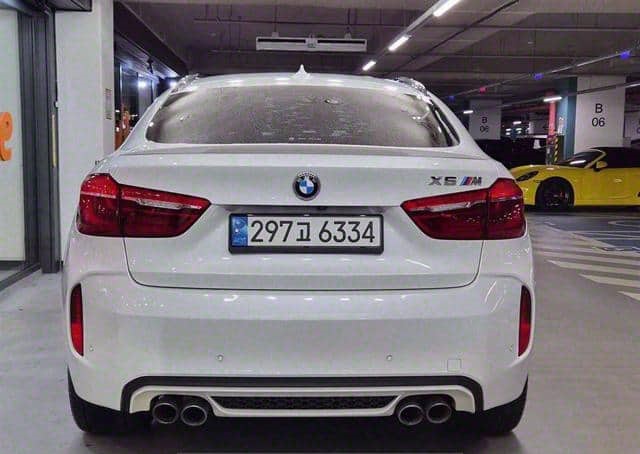
The 2017 BMW X6 is a luxury midsize SUV that combines performance with a distinctive design, making it a popular choice among urban drivers. While renowned for its robust power and dynamic handling, fuel efficiency remains a pivotal aspect for city dwellers navigating through traffic. Urban driving often involves frequent stops and starts, which can impact fuel consumption, making it essential to assess the vehicle’s performance in such conditions. The X6 is equipped with various engine options, each offering a different balance of power and efficiency, tailored to meet diverse preferences. Understanding its fuel economy ratings, particularly in city settings, provides insights into its practicality and cost-effectiveness for everyday use. Evaluating real-world performance and user feedback further enhances the understanding of this model’s suitability for urban driving. This analysis is crucial for potential buyers weighing luxury against practicality in their vehicle choice.
Understanding Fuel Efficiency in the BMW X6 2017
The BMW X6 2017 combines luxury with performance, but how does it stack up in terms of fuel efficiency, especially in urban settings like Kampala? Fuel efficiency in an SUV can greatly affect your overall driving experience, particularly given the congested traffic and road conditions in the city.
Engine Options and Performance
The 2017 BMW X6 offers various engine configurations. The base model includes a turbocharged inline-six engine, while higher trims feature more powerful V8 options. Generally, these engines deliver impressive performance but may impact fuel economy when used for urban driving.
Fuel Economy Ratings
The official fuel economy ratings for the BMW X6 2017 are about 18 mpg in the city and 24 mpg on the highway. These figures can vary based on driving habits, load, and road conditions.
Urban Driving Challenges
In Uganda, urban driving often involves stop-and-go traffic. This type of driving can diminish fuel economy significantly, and larger vehicles like the X6 might not perform as efficiently as smaller cars. It’s essential to consider how your daily commute will affect fuel consumption.
Technology and Features
The BMW X6 comes equipped with various technologies aimed at enhancing fuel efficiency. Features such as automatic start-stop and driving mode selections can help optimize fuel usage in urban environments. Utilizing these features can lead to a more efficient drive around the city.
Real-World Usage
Many owners report varying experiences. Some find the X6 provides satisfactory fuel economy for an SUV, while others note that the numbers drop in heavy city traffic. It’s crucial to monitor how your driving style affects your fuel consumption.
Comparison with Competitors
When compared to similar luxury SUVs, the BMW X6 2017 is competitive but may not lead in fuel efficiency. Models from brands like Audi or Mercedes-Benz offer similar performance with slightly better fuel economy ratings, making it essential to weigh options against your specific needs.
Summary
While the BMW X6 2017 is not the most fuel-efficient option for urban driving, it offers a balance of performance and technology that many drivers appreciate. Understanding how to maximize its features can lead to better fuel economy, but potential owners should realistically assess their driving patterns in Uganda’s busy streets.
FAQs
1. What is the average fuel economy for the BMW X6 2017 in urban driving?
The average fuel economy is about 18 mpg in city conditions.
2. Does the BMW X6 2017 have features to improve fuel efficiency?
Yes, it includes technologies like automatic start-stop and different driving modes.
3. How does the X6 2017 perform in stop-and-go traffic?
Fuel efficiency may decrease in heavy traffic, which is common in urban environments.
4. Are there more fuel-efficient luxury SUVs available?
Yes, models from Audi and Mercedes-Benz may offer better fuel efficiency while maintaining luxury.
5. How can I improve fuel efficiency while driving a BMW X6 2017?
Optimize driving habits, use eco-driving modes, and maintain your vehicle to enhance fuel economy.
The LAND ROVER DISCOVERY 3 2009, produced in 2009, embodies a robust design and advanced features that cater to off-road enthusiasts, making it a notable contender for Uganda’s diverse terrains....
The Land Rover Discovery 3 Manual Diesel 2008 is a robust vehicle well-suited for the varied terrains of Uganda, where off-road driving is often essential. Known for its advanced four-wheel...
The Land Rover Discovery 30-Diesel 2015 is a vehicle designed for both luxury and rugged terrain, making it a popular choice for adventurers in Uganda. With its powerful diesel engine,...
As an experienced car inspector in Uganda, I often encounter potential buyers eager to find a vehicle that meets their unique needs. Uganda’s diverse terrains—from bustling city streets to rugged...
Family owned dealership of new and pre-owned vehicles with several locations across the Uganda. Lowest prices and the best customer service guaranteed.
You're almost there, select at least one more to compare!
We use cookies to ensure that we give you the best experience on our website. If you continue to use this site we will assume that you are happy with it.
You can revoke your consent any time using the Revoke consent button.