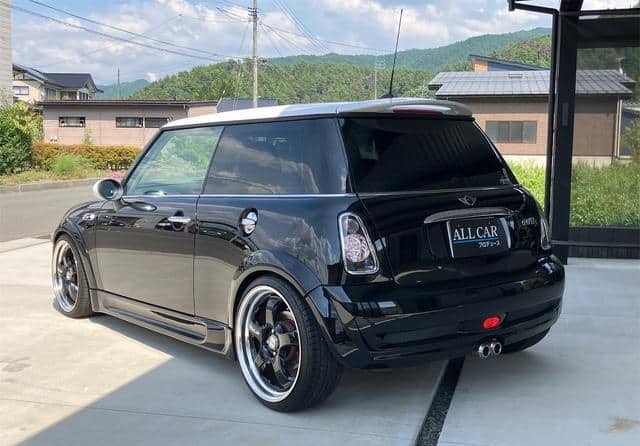
When considering the BMW MINI 2005 for Uganda’s diverse road conditions, several factors come into play. Uganda’s infrastructure presents a mix of well-paved urban roads and challenging rural routes, characterized by potholes, unpaved paths, and occasional flooding. The MINI’s compact design offers agility in city driving, but its low ground clearance may pose challenges on rough terrains. Beyond that, the vehicle’s maintenance requirements and availability of parts in local markets must be examined, as these can significantly impact long-term ownership experience. Environmental considerations, such as the varied climate and potential for extensive wear, also merit attention. Ultimately, an evaluation of the MINI’s performance in these contexts will provide insights into its suitability for Ugandan drivers.
Introduction
The BMW MINI 2005 is a stylish and compact car, loved for its unique design and fun driving experience. However, when considering its suitability for Uganda’s often challenging road conditions, several factors come into play. Understanding these aspects will help potential buyers make an informed decision.
Road Conditions in Uganda
Uganda’s roads vary greatly, from well-paved highways to rough, unpaved routes. The country faces frequent rain, which can lead to muddy and slippery conditions. The MINI, with its low clearance, may struggle with potholes and rugged paths common in many areas.
Ground Clearance
The ground clearance of the 2005 MINI is relatively low, making it less suitable for unpaved paths. In regions with poor road maintenance, this can lead to a risk of damage to the undercarriage. For urban driving, it performs well, but rural exploration may be limited.
Fuel Efficiency
One of the selling points of the BMW MINI is its fuel efficiency. In Uganda, where fuel prices are often high, the MINI can provide a cost-effective solution for daily commuting. Its small engine size allows for better mileage compared to larger vehicles.
Maintenance and Parts Availability
The availability of parts for the 2005 MINI can be a concern in Uganda. While major cities may have BMW service centers, rural areas might lack the required expertise and parts. Regular maintenance may require travel, adding to its overall upkeep costs.
Comfort and Safety Features
The interior of the MINI is designed for comfort, making it ideal for city driving. However, its compact size may not accommodate larger families or groups. Safety features, while decent for its time, may not meet modern expectations, especially on challenging roads.
Handling and Performance
The MINI is known for its agile handling and responsive steering, which is a plus on smooth roads. However, rugged surfaces may compromise this performance. On bumpy or poorly maintained roads, drivers should exercise caution to maintain control.
Affordability and Resale Value
The 2005 MINI is relatively affordable compared to newer models. However, potential buyers should consider depreciation rates, especially in Uganda’s competitive automotive market. Resale value may not be as high due to the vehicle’s limitations on rough terrains.
Summary
To sum up, the BMW MINI 2005 can be suitable for urban driving in Uganda, offering good fuel efficiency and comfort. However, it may face challenges on unpaved roads and in terms of maintenance access. Potential buyers should weigh these factors based on their typical driving environments.
FAQs
1. Is the 2005 BMW MINI good for city driving in Uganda?
Yes, it performs well in urban environments, thanks to its compact size and fuel efficiency.
2. Can the MINI handle rough rural roads?
It’s not ideally suited for rough roads due to its low ground clearance, which may lead to damage.
3. How expensive is it to maintain a 2005 MINI in Uganda?
Maintenance costs can be high, especially if parts are hard to find outside major cities.
4. What is the fuel economy of the 2005 MINI?
On average, it delivers good fuel economy, making it a cost-effective choice for daily use.
5. Is safety compromised in the 2005 MINI on Ugandan roads?
While it has reasonable safety features, be cautious on rough terrain as newer safety standards may not be met.
The LAND ROVER DISCOVERY 3 2009, produced in 2009, embodies a robust design and advanced features that cater to off-road enthusiasts, making it a notable contender for Uganda’s diverse terrains....
The Land Rover Discovery 3 Manual Diesel 2008 is a robust vehicle well-suited for the varied terrains of Uganda, where off-road driving is often essential. Known for its advanced four-wheel...
The Land Rover Discovery 30-Diesel 2015 is a vehicle designed for both luxury and rugged terrain, making it a popular choice for adventurers in Uganda. With its powerful diesel engine,...
As an experienced car inspector in Uganda, I often encounter potential buyers eager to find a vehicle that meets their unique needs. Uganda’s diverse terrains—from bustling city streets to rugged...
Family owned dealership of new and pre-owned vehicles with several locations across the Uganda. Lowest prices and the best customer service guaranteed.
You're almost there, select at least one more to compare!
We use cookies to ensure that we give you the best experience on our website. If you continue to use this site we will assume that you are happy with it.
You can revoke your consent any time using the Revoke consent button.