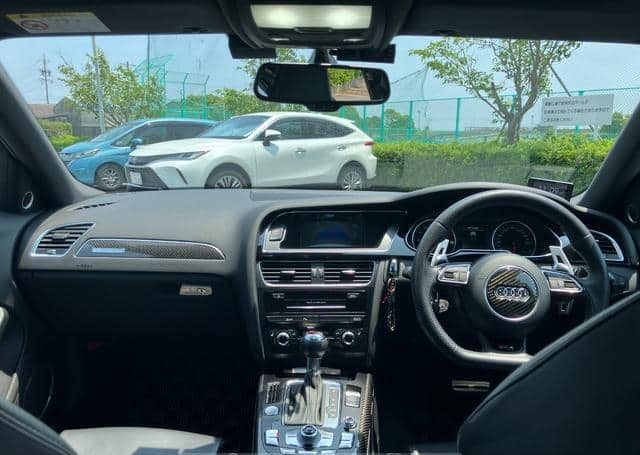
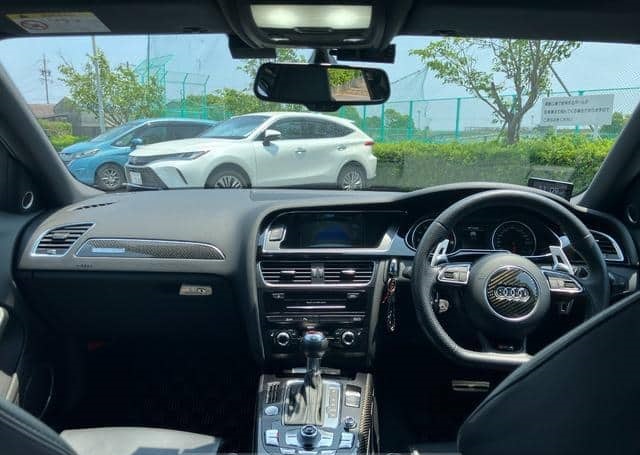
The AUDI RS4 2014 is a high-performance vehicle celebrated for its dynamic capabilities and luxurious design. However, its suitability for Uganda’s road conditions raises important considerations. With varying terrain ranging from paved highways to rugged rural paths, the vehicle’s performance can be significantly challenged. Factors such as ground clearance, suspension system, and dependability in different weather conditions become crucial when evaluating its practicality. Beyond that, the availability of maintenance services and parts in Uganda can impact long-term reliability. While the RS4 promises an exhilarating driving experience, potential buyers must weigh these aspects against the realities of Ugandan road infrastructure. Ultimately, the decision hinges on balancing performance with the demands of local driving environments.
Introduction
The 2014 Audi RS4 is known for its performance and luxury features. However, its compatibility with Uganda’s diverse road conditions is a valid concern for potential buyers. In this exploration, we’ll look at how the RS4 stands up against the everyday challenges of Ugandan roads.
Engine Performance
The 2014 RS4 is equipped with a 4.2-liter V8 engine that produces impressive horsepower. This power may make it exhilarating to drive on tarmacked roads, but it’s essential to consider that many Ugandan roads can be uneven or poorly maintained.
Handling on Rough Roads
While the RS4 has excellent handling, its low profile and sports suspension can pose challenges on bumpy terrain. Many rural areas in Uganda have dirt roads that are often in disrepair, which may lead to a rough ride.
Suspension System
The RS4 features a sophisticated suspension setup. In theory, it should absorb shocks well, but the ground clearance is lower than that of typical SUVs or off-road vehicles. This can lead to scraping on potholes or hidden obstacles.
Fuel Efficiency
With a fuel consumption rate higher than average, the RS4 may not be the most economical choice for daily driving in Uganda. Fuel prices can fluctuate, so a less fuel-efficient car might put a strain on your budget over time.
Maintenance Considerations
Owning a luxury vehicle like the RS4 comes with its own set of maintenance challenges. Parts and service may be harder to find in Uganda compared to more common brands. Regular servicing is critical, and the costs could add up.
Safety Features
The RS4 includes advanced safety features, enhancing driver and passenger safety. However, driving in Uganda requires extra caution, especially in areas with high traffic or minimal road signage.
Visibility Issues
Low visibility can also be a concern, particularly during the rainy season. The RS4’s design may not provide the best vantage point compared to taller vehicles, making it less ideal for navigating congested urban areas.
Resale Value
Luxury vehicles like the RS4 may have a slower resale value in Uganda due to their rarity and the associated upkeep costs. It’s essential to factor this into your purchasing decision, especially if you plan to sell down the line.
Local Acceptance
While there is a niche market for luxury cars, they may not be as widely accepted in certain communities. People might perceive you differently in various socio-economic settings, which could affect your ownership experience.
Summary
To sum up, the 2014 Audi RS4 is a high-performance car that offers luxury and speed. However, its suitability for Uganda’s diverse road conditions is limited by its low clearance, fuel efficiency, and maintenance challenges. Buyers should weigh these considerations against their driving needs and local conditions.
FAQs
1. Is the Audi RS4 comfortable for daily driving in Uganda?
Generally, it can be comfortable, but its low clearance may make it unsuitable for rough roads.
2. How does the RS4 handle potholes?
It may struggle with potholes due to its low profile and sport suspension, leading to potential damage.
3. Are parts readily available for the RS4 in Uganda?
Parts may not be as readily available as those for more common vehicles, leading to potential delays in repairs.
4. What should I consider about safety when driving the RS4 in Uganda?
Be cautious of visibility issues and adapt to driving conditions, especially in heavy traffic or poor weather.
5. Is the Audi RS4 a good investment in Uganda?
While it has a great design and performance, the maintenance costs and potential depreciation may make it less appealing as an investment.
The LAND ROVER DISCOVERY 3 2009, produced in 2009, embodies a robust design and advanced features that cater to off-road enthusiasts, making it a notable contender for Uganda’s diverse terrains....
The Land Rover Discovery 3 Manual Diesel 2008 is a robust vehicle well-suited for the varied terrains of Uganda, where off-road driving is often essential. Known for its advanced four-wheel...
The Land Rover Discovery 30-Diesel 2015 is a vehicle designed for both luxury and rugged terrain, making it a popular choice for adventurers in Uganda. With its powerful diesel engine,...
As an experienced car inspector in Uganda, I often encounter potential buyers eager to find a vehicle that meets their unique needs. Uganda’s diverse terrains—from bustling city streets to rugged...
Family owned dealership of new and pre-owned vehicles with several locations across the Uganda. Lowest prices and the best customer service guaranteed.
You're almost there, select at least one more to compare!
We use cookies to ensure that we give you the best experience on our website. If you continue to use this site we will assume that you are happy with it.
You can revoke your consent any time using the Revoke consent button.