As an experienced car inspector in Uganda, I often get asked about various vehicles and their suitability for our diverse driving conditions. Given the popularity of luxury SUVs, the AUDI RS Q8 2025 has caught the attention of many potential buyers. For city commuters, the promise of a sleek design paired with efficient performance can be exhilarating, but how does it truly handle the tight urban traffic and pothole-ridden roads? Those planning upcountry travel might be drawn to the car’s power and off-road capabilities, yet will it hold up against the rugged terrains typical of rural travel? Additionally, for budget-conscious consumers, the allure of this premium model raises crucial questions about ongoing maintenance costs, fuel efficiency, and overall value for money. Can potential buyers realistically assess the trade-offs between luxury and practicality in a Ugandan context? How straightforward is the availability of spare parts and services for such a high-end model in our local market? Lastly, considering the fluctuating fuel prices, is the AUDI RS Q8 truly a sensible investment for the average Ugandan driver?
Answer
Verdict
Suitable with conditions. The AUDI RS Q8 2025 offers impressive performance and luxury features, but its usability in Uganda can be hampered by Kampala traffic, potholes, and challenging upcountry roads.
Performance and Fuel Economy
The AUDI RS Q8 2025 is powered by a 4.0-liter V8 engine, providing robust horsepower and torque for responsive acceleration. Fuel efficiency typically ranges from 9 to 12 kilometers per liter, depending on driving conditions and driving style. However, actual performance may vary by trim and should be verified using the Vehicle Identification Number (VIN).
Driving Experience
The vehicle’s adaptive air suspension system enhances ride comfort, particularly on uneven roads. In urban settings like Kampala, where traffic and speed humps are prevalent, the vehicle’s height-adjustable feature can be beneficial. However, the low ground clearance may pose challenges on poorly maintained rural roads, especially during the rainy season.
Interior and Comfort
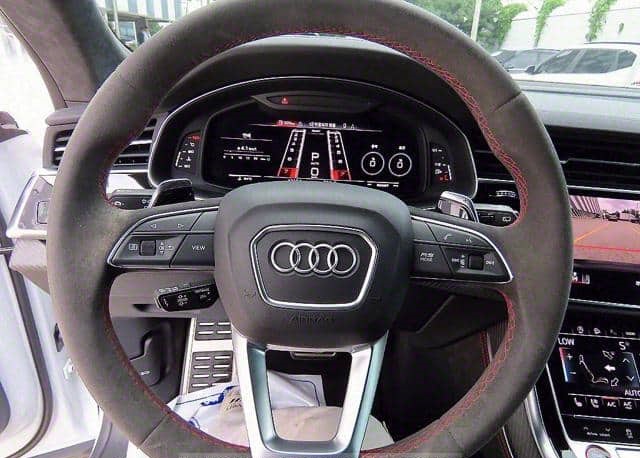
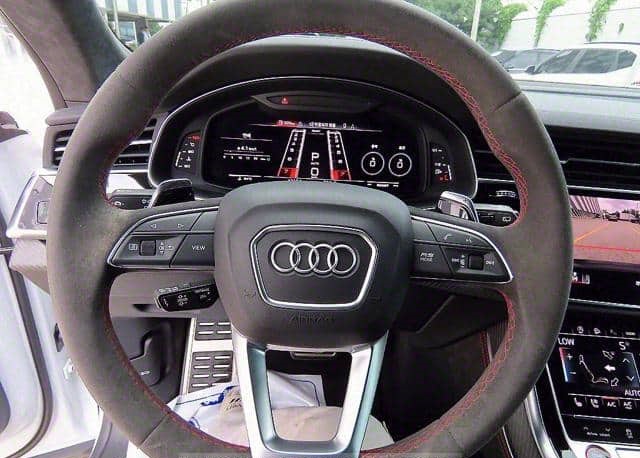
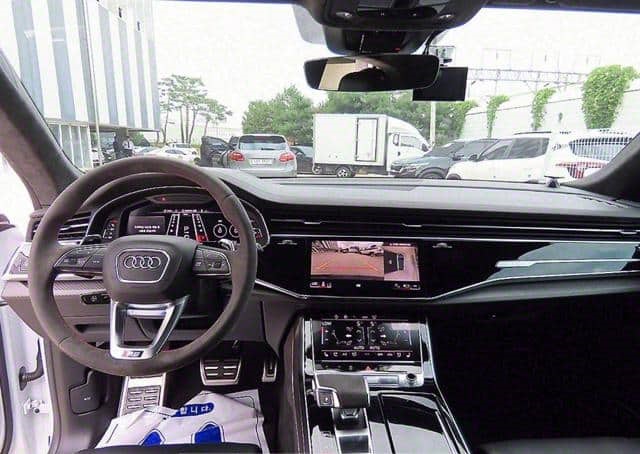
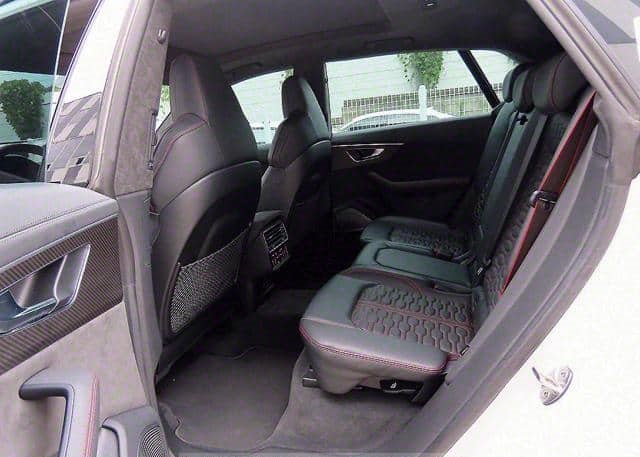
The interior is designed with high-quality materials, offering spacious seating and advanced infotainment features. Climate control and heated seats are essential during Uganda’s hot days and cooler evenings.
Safety Features
A variety of advanced safety technologies are included, such as adaptive cruise control and lane-keeping assist. However, the effectiveness of these features may be compromised by local driving conditions, including potholes and unpredictable road conditions.
Cost of Ownership
Maintenance and repair costs can be high, particularly for luxury vehicles like the RS Q8. Access to authorized service centers may be limited outside major cities, potentially affecting service intervals and costs.
Summary
The AUDI RS Q8 2025 offers a blend of performance and luxury suitable for urban driving in Uganda, but potential buyers should consider local road conditions and maintenance accessibility. While the vehicle excels in many areas, it may require careful handling in the face of challenging road infrastructure.
FAQs
1. Does the AUDI RS Q8 have all-wheel drive?
Yes, the AUDI RS Q8 comes equipped with Quattro all-wheel drive, providing better traction and stability in varying conditions.
2. What is the expected service interval for the AUDI RS Q8?
Service intervals vary, but typically range from 10,000 to 15,000 kilometers, depending on driving conditions.
3. Is the vehicle good for off-road driving?
While it offers some off-road capabilities, the RS Q8 is primarily designed for on-road performance and may struggle on rough terrains.
4. Can I find spare parts locally in Uganda?
Availability of spare parts may be limited, and sourcing may require importing from authorized dealers or international suppliers.
5> What technology features are included with the AUDI RS Q8?
The RS Q8 is equipped with a state-of-the-art infotainment system, featuring a touchscreen interface, smartphone integration, and premium audio options.
The Land Rover Discovery 3 Manual Diesel 2008 is a robust vehicle well-suited for the varied terrains of Uganda, where off-road driving is often essential. Known for its advanced four-wheel...
The LAND ROVER DISCOVERY 3 2009, produced in 2009, embodies a robust design and advanced features that cater to off-road enthusiasts, making it a notable contender for Uganda’s diverse terrains....
The Land Rover Discovery 30-Diesel 2015 is a vehicle designed for both luxury and rugged terrain, making it a popular choice for adventurers in Uganda. With its powerful diesel engine,...
As an experienced car inspector in Uganda, I often encounter potential buyers eager to find a vehicle that meets their unique needs. Uganda’s diverse terrains—from bustling city streets to rugged...
Family owned dealership of new and pre-owned vehicles with several locations across the Uganda. Lowest prices and the best customer service guaranteed.
You're almost there, select at least one more to compare!
We use cookies to ensure that we give you the best experience on our website. If you continue to use this site we will assume that you are happy with it.
You can revoke your consent any time using the Revoke consent button.