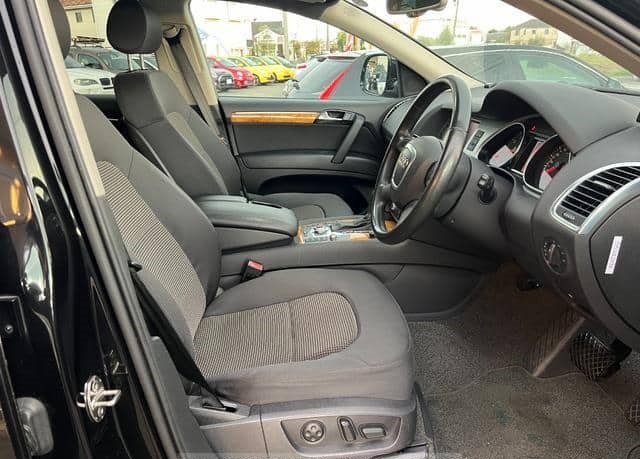
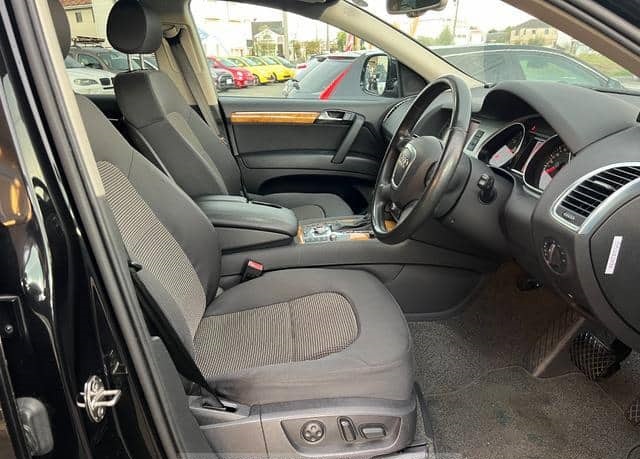
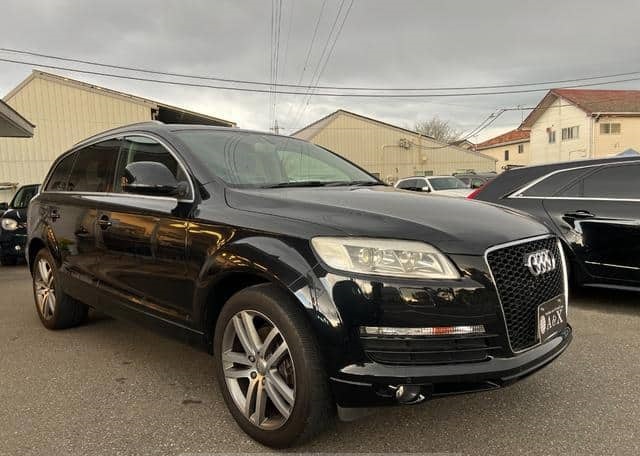
The 2008 AUDI Q7 presents a unique combination of luxury and performance, making it an appealing choice for many drivers. However, its reliability on the diverse and often challenging terrains of Uganda raises important questions. The vehicle’s advanced technology and heavy build are designed for comfort, but these features can be both an asset and a liability in a country where road conditions can vary widely. Factors such as maintenance availability, fuel efficiency, and spare parts procurement play critical roles in determining how well this SUV adapts to the local environment. Additionally, the AUDI brand’s reputation for engineering excellence must be weighed against the realities of Ugandan infrastructure and driving habits. Understanding these dynamics is crucial for potential owners considering this model.
Introduction
The AUDI Q7 2008 is a luxury SUV that has drawn attention for its design and capabilities. But when considering a vehicle in Uganda, reliability becomes a key factor. Let’s evaluate how well this model stands up to local conditions.
Performance on Ugandan Roads
Uganda’s roads can range from well-paved highways to rough, unpaved paths, especially in rural areas. The AUDI Q7, with its all-wheel drive and strong suspension, handles various terrains reasonably well.
Engine Specs
With a V6 or V8 engine, the Q7 offers decent power. This can be beneficial in navigating hilly terrains, which are common in regions like Kabale and Fort Portal.
Fuel Efficiency
Fuel consumption is a point to consider. The Q7 isn’t the most fuel-efficient in its class, and with fuel prices fluctuating, this can impact your budget in Uganda.
Maintenance and Parts Availability
Owning a luxury SUV means higher maintenance costs. Parts for the Q7 can sometimes be hard to find in Uganda, leading to longer wait times for repairs.
Service Centers
While there are service centers in major cities, rural areas may lack enough expertise. It’s advisable to factor in your location and access to services when choosing this vehicle.
Comfort and Features
The Q7 is renowned for its spacious interior and comfort, making it a great option for family trips to destinations like Jinja or Murchison Falls.
Technology
With features such as navigation and entertainment systems, it provides a modern driving experience. However, consider how these may function in areas with limited signal.
Cost Considerations
Aside from the initial purchase price, consider insurance, fuel, maintenance, and potential repair costs. In a market where vehicle expenses can add up, ensure this aligns with your budget.
Final thoughts
Overall, the AUDI Q7 2008 can be a reliable vehicle on Ugandan roads for those who are willing to invest in maintenance and can navigate its challenges. It’s spacious and powerful, making it suitable for family or multi-passenger travel, yet the costs associated should not be overlooked.
Summary
The AUDI Q7 2008 offers a blend of luxury and performance ideal for Ugandan landscapes. Its reliability hinges on maintenance and access to services. It’s best suited for those ready to manage its operational costs.
FAQs
1. Is the AUDI Q7 2008 fuel-efficient for Ugandan roads?
No, it has a higher fuel consumption compared to smaller vehicles, so you should consider fuel costs carefully.
2. Are spare parts readily available in Uganda?
Parts may be limited and could require importing, which can delay repairs and increase costs.
3. Can the Q7 handle rough terrains?
Yes, its all-wheel drive and strong suspension make it suitable for uneven roads found in rural areas.
4. What are the average maintenance costs for a Q7 in Uganda?
Maintenance costs can be higher than average vehicles, possibly ranging from Ugx 500,000 to 1,500,000 depending on services and repairs needed.
5. Is the interior comfortable for long journeys?
Yes, the Q7’s spacious interior makes it ideal for long trips, providing ample legroom and comfort for passengers.
The LAND ROVER DISCOVERY 3 2009, produced in 2009, embodies a robust design and advanced features that cater to off-road enthusiasts, making it a notable contender for Uganda’s diverse terrains....
The Land Rover Discovery 3 Manual Diesel 2008 is a robust vehicle well-suited for the varied terrains of Uganda, where off-road driving is often essential. Known for its advanced four-wheel...
The Land Rover Discovery 30-Diesel 2015 is a vehicle designed for both luxury and rugged terrain, making it a popular choice for adventurers in Uganda. With its powerful diesel engine,...
As an experienced car inspector in Uganda, I often encounter potential buyers eager to find a vehicle that meets their unique needs. Uganda’s diverse terrains—from bustling city streets to rugged...
Family owned dealership of new and pre-owned vehicles with several locations across the Uganda. Lowest prices and the best customer service guaranteed.
You're almost there, select at least one more to compare!
We use cookies to ensure that we give you the best experience on our website. If you continue to use this site we will assume that you are happy with it.
You can revoke your consent any time using the Revoke consent button.