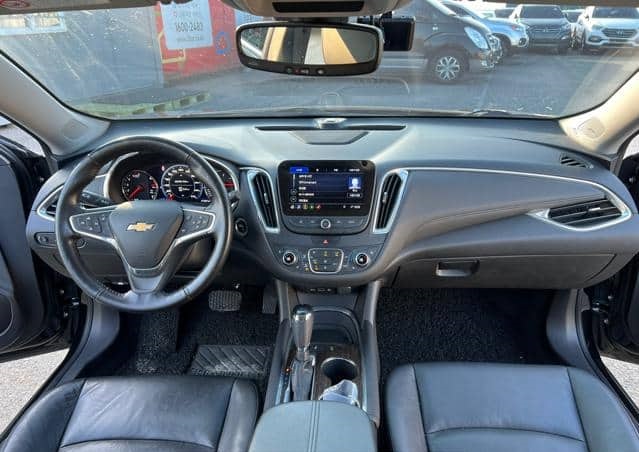
The 2019 Chevrolet Malibu has garnered attention for its blend of style, performance, and fuel efficiency, making it a noteworthy option for Ugandan drivers. With the country’s diverse terrain, ranging from urban areas to rural landscapes, fuel economy becomes a crucial consideration for many motorists. The Malibu’s engine technology and design aim to deliver optimal mileage, which could be especially beneficial given the rising fuel prices in Uganda. Additionally, the model’s adaptability to local driving conditions, including pothole-ridden roads and varying weather, raises questions about its long-term durability and efficiency. As more Ugandans seek vehicles that balance affordability and performance, evaluating the Malibu’s capabilities in this context is essential for prospective buyers. Ultimately, the decision to choose this vehicle hinges on understanding its performance metrics against Uganda’s unique driving challenges.
Introduction
The 2019 Chevrolet Malibu has garnered attention in Uganda for its potential as a fuel-efficient vehicle. With rising fuel prices and diverse road conditions, many Ugandan drivers are seeking cars that can balance performance and economy. This article explores how the Malibu fits into this context.
Engine Specifications
The 2019 Malibu offers a range of engines, including a 1.5-liter turbocharged four-cylinder. This engine produces reasonable horsepower while maintaining efficiency. For Ugandan roads, the turbocharged option can provide better fuel savings, especially during city driving.
Fuel Economy Ratings
The Malibu’s official fuel economy is rated at approximately 29 miles per gallon (mpg) combined. In terms of Ugandan conditions, this translates to about 12.3 kilometers per liter (km/l). Urban driving may result in lower efficiency, but highway driving can yield better results.
Driving Experience on Ugandan Roads
Driving in Uganda presents unique challenges, from potholes to unpaved streets. The Malibu’s suspension system is designed for a comfortable ride, absorbing shocks effectively. However, certain models may struggle on rougher terrain, impacting overall efficiency.
City vs. Highway Driving
In city traffic, the Malibu can be less efficient, especially during stop-and-go conditions. Yet, its performance on highways is commendable, often allowing for better fuel consumption and reduced trips to the gas station.
Maintenance Considerations
Regular maintenance is vital for keeping fuel efficiency in check. Simple tasks, such as oil changes and tire rotations, can make a difference in overall performance. Availability of spare parts in Uganda also plays a role in long-term ownership costs.
Fuel Types and Their Impact
The Malibu performs best on gasoline with a higher octane rating. Using lower-quality fuels may decrease efficiency, which is crucial for drivers in regions where fuel quality varies. Always seek reputable filling stations to maintain optimum performance.
Local Driving Needs
Understanding personal driving habits is essential. For daily commutes, the Malibu can be a reliable option, but for long-distance travel, consider the impact of luggage and passenger load on fuel efficiency.
Resale Value in Uganda
The Malibu’s reputation can also influence its resale value. Fuel-efficient vehicles tend to hold value better, especially as fuel prices fluctuate. Proper care can enhance the car’s longevity and market desirability.
Summary
Overall, the 2019 Chevrolet Malibu stands out as a fuel-efficient choice for many Ugandans, balancing comfort and economy. However, factors like road conditions, driving habits, and maintenance should be considered for optimal fuel use.
FAQs
1. What is the fuel economy of the 2019 Chevrolet Malibu?
The Malibu has an estimated fuel economy of about 29 mpg combined, which is approximately 12.3 km/l.
2. How does the Malibu perform on rough Ugandan roads?
The Malibu handles well in most driving conditions, but may struggle on severely rough or unpaved roads.
3. Are spare parts easily available in Uganda?
Yes, but availability may vary by region. It’s advisable to source parts from reputable dealers.
4. Can using lower octane fuel affect performance?
Yes, using lower octane fuel may reduce performance and fuel efficiency.
5. Is the Malibu a good choice for daily commuting?
Yes, the Malibu is a reliable option for daily commutes, offering a comfortable ride and decent fuel economy.
The LAND ROVER DISCOVERY 3 2009, produced in 2009, embodies a robust design and advanced features that cater to off-road enthusiasts, making it a notable contender for Uganda’s diverse terrains....
The Land Rover Discovery 3 Manual Diesel 2008 is a robust vehicle well-suited for the varied terrains of Uganda, where off-road driving is often essential. Known for its advanced four-wheel...
The Land Rover Discovery 30-Diesel 2015 is a vehicle designed for both luxury and rugged terrain, making it a popular choice for adventurers in Uganda. With its powerful diesel engine,...
As an experienced car inspector in Uganda, I often encounter potential buyers eager to find a vehicle that meets their unique needs. Uganda’s diverse terrains—from bustling city streets to rugged...
Family owned dealership of new and pre-owned vehicles with several locations across the Uganda. Lowest prices and the best customer service guaranteed.
You're almost there, select at least one more to compare!
We use cookies to ensure that we give you the best experience on our website. If you continue to use this site we will assume that you are happy with it.
You can revoke your consent any time using the Revoke consent button.