

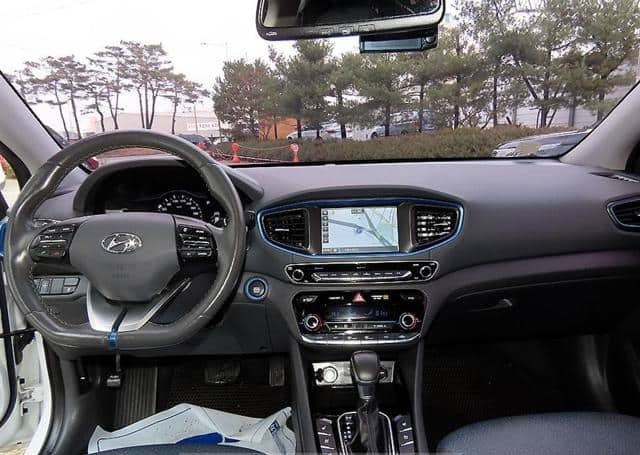
Key Upgrades for Your 2017 Hyundai Ioniq
Upgrading your Hyundai Ioniq can significantly enhance its performance and comfort. Here are some crucial upgrades to consider:

-
- Battery Upgrade: A high-capacity battery can improve overall efficiency and extend the life of your electric vehicle.
-
- Infotainment System: Upgrade to the latest model for enhanced navigation and connectivity features.
-
- Custom Floor Mats: Protect your interior from dirt and stains with all-weather mats tailored for the Ioniq.
-
- LED Lighting: Swapping standard bulbs for LED lights can enhance visibility and reduce energy consumption.
Tire Maintenance
Tire maintenance is crucial for safety and performance. Here are steps to keep your tires in optimal condition:
-
- Regular Tire Pressure Checks: Maintain proper tire pressure for better fuel efficiency and tire longevity. Use a gauge to check monthly.
-
- Rotation: Rotate your tires every 5,000 to 7,500 miles to ensure even wear.
-
- Tread Depth: Check the tread depth regularly. A depth of 2/32 of an inch or less means it’s time to replace your tires.
-
- Alignment and Balancing: Ensure your vehicle is properly aligned and balanced to improve handling and reduce tire wear.
Fluid Checks
Regular fluid checks are essential for maintaining engine performance and overall vehicle functionality. Here’s what to check:
-
- Engine Oil: Check levels monthly and change the oil according to manufacturer recommendations, typically every 7,500 miles.
-
- Coolant: Ensure the coolant reservoir is filled to the recommended level to prevent overheating.
-
- Brake Fluid: Inspect the brake fluid level regularly; low levels can indicate a leak or worn brake pads.
-
- Transmission Fluid: Check the transmission fluid periodically, especially if you notice shifting issues.
Battery Care
Battery maintenance is essential for ensuring the reliability of your Hyundai Ioniq. Here’s how to maximize battery life:

-
- Sufficient Charge: Keep the battery charged. Regularly charge to avoid deeply discharging the battery.
-
- Cleaning: Clean the battery terminals and ensure there is no corrosion, which can impede performance.
-
- Temperature Control: Extreme temperatures can affect battery lifespan. Park in shaded or temperature-controlled areas when possible.
-
- Monitoring: Use the onboard diagnostic system to keep track of your battery’s health over time.
Final thoughts
Maintaining your 2017 Hyundai Ioniq involves a combination of careful upgrades, routine checks, and proactive care practices. Paying attention to these areas will not only enhance your driving experience but also extend the life of your vehicle. As electric cars continue to evolve, staying updated with best practices and enhancements can lead to significant improvements in performance and reliability. Regular maintenance will keep your Hyundai Ioniq running smoothly for years to come.
FAQs
1. How often should I check my tire pressure?
You should check your tire pressure at least once a month, and before long trips.
2. When should I replace the battery in my Hyundai Ioniq?
Batteries typically last between 8 to 10 years, but you should regularly monitor battery performance and replace it if you notice a decline in range or efficiency.

3. How often should I change the oil?
It is recommended to change your oil every 7,500 miles or as specified in your owner’s manual.
4. What should I do if my car’s warning light comes on?
If a warning light appears, consult your owner’s manual for guidance. It’s advisable to have the vehicle checked by a professional mechanic.
5. Can I perform maintenance tasks myself?
Yes, many basic maintenance tasks such as checking fluid levels and tire pressure can be done by yourself. However, for complex issues, it is best to seek professional help.


