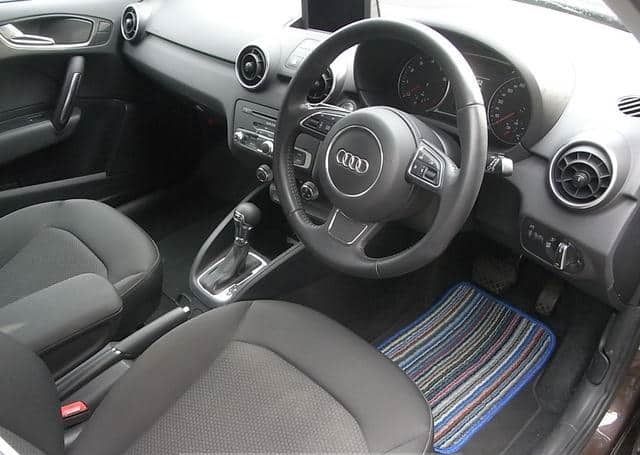
The bustling city of Kampala, Uganda’s capital, is known for its vibrant culture and busy streets. However, with this bustling lifestyle comes the challenge of traffic congestion. In an urban setting like Kampala, the impact of traffic on fuel efficiency becomes a significant concern for vehicle owners, particularly those driving modern cars such as the 2013 AUDI A1. Understanding how traffic affects fuel consumption is crucial, especially for potential buyers exploring the local car dealership market.
The Basics of Fuel Efficiency
Fuel efficiency is primarily measured in terms of miles per gallon (MPG) or liters per 100 kilometers (L/100km) and indicates how effectively a vehicle uses fuel. A variety of factors can influence a vehicle’s fuel efficiency, including:
Driving speed and habits
Vehicle maintenance
Type of fuel used
Traffic conditions
Traffic Conditions in Kampala
Kampala’s road network has seen significant development, but traffic congestion remains a persistent issue. During peak hours, drivers often experience slow-moving traffic or stop-and-go conditions. These traffic characteristics can significantly impact the fuel efficiency of any vehicle, including the 2013 AUDI A1, which is designed for efficiency in ideal conditions.
Acceleration and Braking
One of the primary factors affecting fuel efficiency in traffic is the frequent need for acceleration and braking. In heavy traffic, drivers often find themselves constantly stopping and starting. This pattern not only consumes more fuel but also places stress on the engine and brakes. The 2013 Audi A1, although equipped with efficient technology, may have its fuel economy compromised in such conditions.
Idling
Long periods of idling, common in traffic jams, can lead to unnecessary fuel consumption. The engine continues to run while providing no real movement, leading to wasting fuel. For owners and potential buyers of the 2013 Audi A1, understanding the local traffic patterns can help assess how often their vehicle might experience these inefficient idling moments.
Optimal Speed Range
Every vehicle has an optimal speed range for fuel efficiency, which is usually between 50 and 65 mph (80 to 104 km/h) for most compact cars. However, urban traffic often requires driving at lower speeds, which can reduce fuel efficiency. In the case of the Audi A1, which is built for agile performance, lower average speeds can lead to decreased MPG ratings.
Implications for Car Dealerships in Uganda
Understanding the impact of traffic on fuel efficiency is vital for car dealerships in Uganda, especially in Kampala. Here’s how this knowledge can influence the dealership landscape:
Targeting Eco-Conscious Consumers
As traffic congestion becomes more pronounced, consumers may increasingly prioritize fuel-efficient vehicles. Dealerships that stock models known for their efficiency, like the 2013 Audi A1, could attract a growing segment of eco-conscious buyers. Educating potential buyers on how traffic can influence fuel efficiency will position dealerships as knowledgeable and customer-focused.
Incorporating Technology
Car dealerships can enhance their offerings by including vehicles equipped with advanced technology designed for urban driving. Features such as stop/start engines that reduce idling time can directly address the challenges posed by Kampala’s traffic. Highlighting such features can give dealerships a competitive edge.
Maintenance Services
Dealerships can also provide maintenance services tailored to urban driving conditions. Regular checks and services that focus on optimizing fuel efficiency can assist drivers in managing their fuel consumption effectively, making the dealership a one-stop solution for customers.
Final thoughts
In summary, the impact of traffic on fuel efficiency is a vital consideration for anyone driving in Kampala, especially owners of vehicles like the 2013 Audi A1. The challenges of urban driving—frequent stops, idling, and sub-optimal speeds—can significantly affect fuel consumption. For car dealerships in Uganda, understanding these dynamics can provide opportunities to cater to the needs of consumers, promote efficient vehicles, and enhance overall customer satisfaction. As traffic continues to evolve, so too must the strategies of local dealerships to meet the demands of a changing market.
Uganda’s diverse terrain poses unique challenges for vehicle performance, making it essential to evaluate the suitability of the AUDI A1 25TFSI 2025 in this context. With its compact size and...
The AUDI A1 1.0 TFSI 2015 stands out in Uganda’s compact car market, combining performance with luxury. Its sleek design captures attention, making it a popular choice among urban drivers...
Importing a quality used car like a 2016 AUDI A1 into Uganda can give you an economical way to own a premium compact hatchback. This guide walks you through where...
As a seasoned car inspector in Uganda, I understand the diverse needs of buyers looking for vehicles that can navigate our unique landscapes and urban environments. Many city commuters prioritize...
Family owned dealership of new and pre-owned vehicles with several locations across the Uganda. Lowest prices and the best customer service guaranteed.
You're almost there, select at least one more to compare!
We use cookies to ensure that we give you the best experience on our website. If you continue to use this site we will assume that you are happy with it.
You can revoke your consent any time using the Revoke consent button.