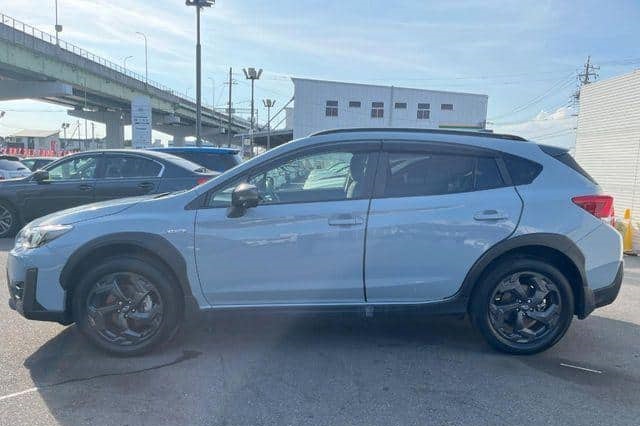
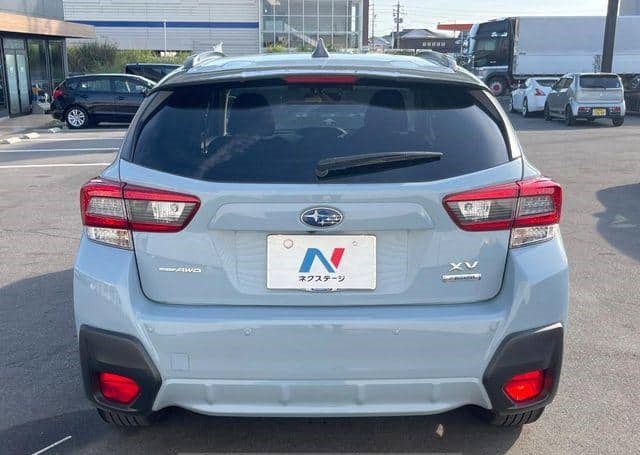
Buying a hybrid such as a 2022 SUBARU IMPREZA XV HYBRID in Uganda requires extra care: you must verify the logbook and history, check hybrid‑specific systems, and ensure the vehicle was legally imported and not subject to finance or flood repair. Below is a practical, step‑by‑step checklist tailored for car dealerships and private buyers in Uganda.
1. Document Checks (What to request and verify)
Original logbook/registration document — confirm the seller provides the original document, not a photocopy. Check the registration number, owner name, address, and vehicle description (make, model, year).
Vehicle Identification Number (VIN) & chassis/engine numbers — verify the VIN on the logbook matches the VIN on the car (chassis plate, door jamb sticker) and the engine number stamped on the block. Any mismatch is a red flag.
Export/import paperwork — request the import clearance, customs receipt, and proof that import duties were paid (URA or relevant customs documents). For vehicles imported from Japan, ask for the original export certificate/auction sheet if available.
Proof of previous registration(s) — if the car had prior owners, check previous registration stamps/entries. Frequent, unexplained re‑registration may indicate issues.
Service history & receipts — ask for stamped service booklets or invoices from authorized SUBARU agents or reputable workshops. Regular hybrid service records are especially valuable.
Insurance & police records — ask for past insurance documents and any police reports if the car was previously stolen or in a serious accident.
No‑lien/clearance from finance house — request a written lien release or a letter from the bank/finance company confirming there is no outstanding loan on the vehicle.
2. Online & History Checks
VIN history reports — run the VIN through international services (Carfax, AutoCheck, or other VIN check services). These may identify accident history, salvage/rebuilt titles, or odometer discrepancies. Note: international databases may have limited coverage for Uganda imports but still useful for JDM-sourced cars.
Japanese auction/export reports — if the car was imported from Japan, obtain the auction sheet or ask a Japan-based inspection service to fetch historical auction grades and notes (water damage, repair, odometer issues, etc.).
Local authority checks — contact Uganda Police Traffic Department or use any available government vehicle record portals to confirm registration, reported thefts, and outstanding infringements. Also confirm customs/URA clearance status.
Insurance & claims history — where possible, request previous insurer confirmation of claims made on the vehicle. Multiple large claims may indicate past major damage.
Confirm VIN, chassis and engine numbers physically match the logbook.
Inspect body panels, paint consistency, and panel gaps for signs of repair. Uneven gaps or oversprayed paint suggests prior accident repair.
Look for rust, especially on undercarriage, wheel arches, and suspension mounts — crucial in Uganda where road and weather conditions vary.
Check tyres for age and even wear; mismatched tyres or uneven wear indicates alignment or suspension issues.
Interior condition: odour (mildew or sea smell may suggest flood exposure), upholstery condition, and functionality of dash features.
Hybrid‑specific inspections
Hybrid system warning lights — with the ignition on, confirm there are no persistent hybrid/system warning lights on the dash. Warning lights require diagnostic scanning.
Battery condition — request a hybrid battery health check (state of charge under load, cell voltage balance, or capacity test). Many independent workshops and dealerships in Kampala can perform a battery health scan for a fee.
High‑voltage cable inspection — check for intact orange HV cabling and proper insulation; burns, cuts, or tampering are hazardous.
Cooling & inverter systems — hybrid battery and inverter require cooling; inspect cooling hoses, fans, and for any leaks. Overheating history degrades hybrid components.
Noise & drive feel — on a test drive, listen for unusual whines from the electric motor or inverter and check smooth transition between electric and petrol drive. Hesitations, surges, or odd noises warrant specialist diagnostics.
4. Diagnostic & Specialist Checks
Arrange an OBD‑II and hybrid controller scan with a mechanic experienced in Subaru hybrids. Ask for printable fault logs.
Get a professional pre‑purchase inspection from a trusted local workshop or Subaru dealer. This can reveal hidden collision repairs, structural damage, or major hybrid faults.
Consider a third‑party physical inspection at port of entry records if the car was recently imported — this can validate import condition reports.
5. Recommended Next Steps & Dealership Practices (Uganda‑focused)
Only buy when logbook details match the vehicle and independent checks (VIN, police, customs) show no theft, salvage, or unpaid liens.
Get all agreements in writing: sale contract, agreed price, any warranty terms, and a clear handover date. Ensure the logbook transfer process and cost responsibilities are documented.
Make transfer of ownership immediate at the relevant local authority. Follow the official transfer process and obtain a receipt proving application for transfer.
Pay customs and duty issues upfront if unresolved. A car without proper customs clearance can be seized or incur heavy fines.
Budget for hybrid servicing and potential battery replacement down the line — hybrid batteries are costly; a confirmed health check reduces risk.
If you run a dealership: keep a checklist copy for each trade‑in, require full disclosure from sellers, and offer documented independent inspections to buyers to build trust.
Final notes
In Uganda, the combination of proper paperwork, local authority checks, VIN history searches, and a specialist hybrid inspection is the best way to confirm a “clean” logbook and safe purchase of a 2022 SUBARU IMPREZA XV Hybrid. When in doubt, delay the purchase until all documents and diagnostic results are satisfactory—hybrid repairs are expensive and hidden problems can quickly erode value.
If you’d like, I can produce a printable one‑page checklist (PDF/HTML) you can use on‑site at dealerships or during private inspections in Uganda.
The 2013 Subaru Impreza Hardtop Sedan is renowned for its blend of practicality and performance, making it a compelling option for urban driving in Uganda’s bustling cities. With its compact...
Audio systems play a crucial role in our daily lives, from providing entertainment to enhancing our experiences in various settings. Whether it’s at home, in the car, or at a...
Whether you are an automotive enthusiast, a DIY mechanic, or just a SUBARU owner looking to maintain your vehicle, ensuring that you purchase genuine parts is crucial. Genuine Subaru parts...
When it comes to maintaining and repairing your SUBARU, sourcing the right parts is crucial to the longevity and performance of your vehicle. While there are numerous options available in...
Family owned dealership of new and pre-owned vehicles with several locations across the Uganda. Lowest prices and the best customer service guaranteed.
You're almost there, select at least one more to compare!
We use cookies to ensure that we give you the best experience on our website. If you continue to use this site we will assume that you are happy with it.
You can revoke your consent any time using the Revoke consent button.