

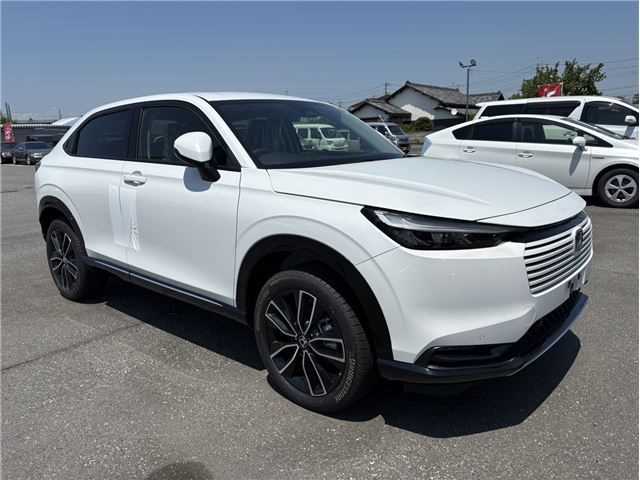
This guide covers what to know before buying a 2025 HONDA VEZEL (sold as the HR‑V in some markets): how trims and drivetrain/engine choices affect ownership, the history and VIN checks you must run, and a step‑by‑step inspection and test‑drive checklist — including hybrid‑specific items. If you tell me your country/market I can add region‑specific trim names and typical values.
1. Trims and Engine / Drivetrain Choices — what matters
The 2025 Vezel/HR‑V lineup generally targets economy, comfort, and a hybrid option. Trim levels typically vary by feature set (base, mid, premium) rather than mechanical differences, but engines and drivetrains do matter:

- Gasoline (petrol) engines: Usually a small displacement 3‑ or 4‑cylinder (naturally aspirated or turbocharged depending on market). Expect CVT or automatic transmissions. These are simplest to maintain and often cheaper to repair.
- Hybrid (e:HEV or similar): HONDA’s hybrid systems combine a small petrol engine with electric motors and a battery pack. They typically offer better city fuel economy and a smoother low‑speed experience, but battery life and repair costs can be concerns for used examples.
- Drivetrain: Front‑wheel drive (FWD) is standard; all‑wheel drive (AWD) is often available on higher trims or as an option. AWD adds capability in poor weather but increases weight, fuel use, and maintenance complexity.
Choose based on your driving profile: mostly urban and short trips → hybrid may save fuel; long highway runs → petrol engine with higher sustained speeds may be preferable. If you need winter traction, prefer AWD with documented use and recent service.
2. History and VIN Checks — must‑do steps
Before any in‑person inspection, run these checks on the VIN (Vehicle Identification Number):
- Decode the VIN for model year, factory, engine code and original equipment — many online VIN decoders will show the basics.
- Purchase a vehicle history report (Carfax, AutoCheck, or local equivalent) to reveal accident history, title brands (salvage, rebuilt), odometer rollbacks, and registration events.
- Check for open recalls via the manufacturer website (Honda) and national safety agencies — recalls can often be fixed for free at dealers.
- Verify the vehicle is clear of liens by checking local lien registries or asking for a lien release from the seller if needed.
- Search online forums, local classifieds, and service bulletins for model‑specific complaints for the 2025 Vezel/HR‑V.
3. Step‑by‑Step Inspection and Test‑Drive Checklist
Bring a flashlight, smartphone (for photos), a tape measure, and a checklist. If possible, schedule the inspection during daylight and on dry pavement.
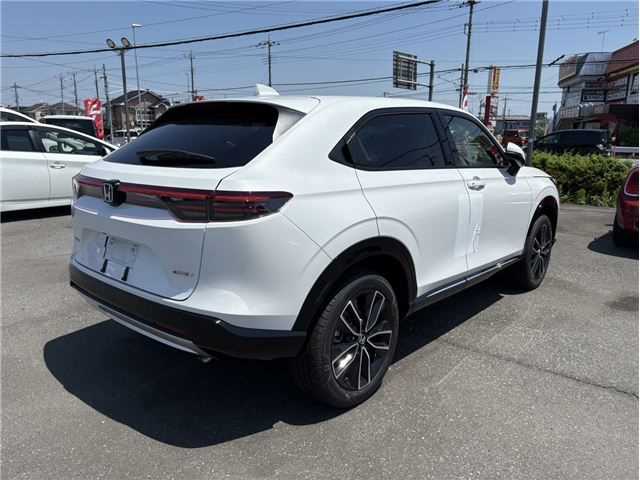
Exterior & Body
- Walk the car from corner to corner. Check panel gaps and paint shade consistency for signs of body repairs.
- Inspect bumper edges, wheel arches, door sills and rocker panels for rust or repair.
- Check windshield and windows for chips/cracks; confirm glass is OEM or correctly replaced.
- Measure tire tread depth on all four corners and note wear pattern (cupping, feathering, one‑side wear = alignment/suspension issues).
Underbody & Suspension
- Look under for corrosion, leaks (engine oil, transmission fluid, coolant), and welded repairs. Excessive underbody rust is a red flag.
- Push down on each corner — suspension should rebound once smoothly; repeated bouncing suggests worn shocks/struts.
Engine Bay & Fluids
- Inspect oil level and color, coolant reservoir level, and transmission fluid (if accessible). Milky oil suggests coolant ingress; dark, gritty oil suggests overdue service.
- Smell for coolant or fuel odors. Check belts and visible hoses for cracks.
- Look for corrosion on battery terminals and evidence of aftermarket wiring near the engine (may indicate modifications).
Interior & Electronics
- Check all seats, switches, windows, infotainment features, climate control, and lights. Confirm rear camera and sensors function.
- Confirm the spare, jack, and tool kit are present (some models carry a tire repair kit).
- Confirm mileage matches expectations for vehicle age; large discrepancies should be investigated.
Test Drive — protocol
- Start cold: listen for unusual startup noises, rough idling or warning lights on the dash. Run the car until fully warmed up.
- City driving: test low‑speed torque, hill starts, brake response, regen behavior (hybrid) and EV‑like transitions.
- Highway: accelerate past merging speeds to check power delivery, stability, wind/road noise, and cruise control behavior.
- Brakes: check for pulsation, grabbing or noise while stopping from various speeds.
- Transmission/CVT: watch for surging, hunting or abrupt shifts under load.
- Steering & alignment: ensure the car tracks straight and steering wheel isn’t off center at highway speeds.
Hybrid‑Specific Items
- Confirm the hybrid battery indicator shows normal state and that the car enters electric/EV mode as expected (if applicable).
- Test regenerative braking strength and consistency; listen for unusual inverter or motor noises.
- Inspect the hybrid battery housing for corrosion or damage and ask for hybrid system service records. Large battery cooling/heating faults may indicate expensive repairs ahead.
- Check the 12V battery health — hybrids rely on it to boot the system; weak 12V batteries can cause starting/diagnostic faults.
- Scan OBD‑II for stored hybrid system codes; many problems will log a code even if the warning lamp is not active.
4. Additional Tips Before Purchase
- Have a trusted independent mechanic or Honda dealer perform a pre‑purchase inspection, especially for hybrids or high‑mileage examples.
- Confirm maintenance history — timing belt/chain intervals, hybrid service, brake and coolant changes.
- Negotiate based on documented faults, required service (new tires, brake pads, fluid changes) and market comparables.
Final thoughts
The 2025 Honda Vezel/HR‑V can be a reliable, efficient compact crossover, particularly when you match trim and drivetrain to your driving needs. Do the legwork: run VIN and history checks, inspect for structural or service issues, and use the checklist above on your test drive. For hybrids, pay extra attention to battery health, regenerative systems, and related service history. If you provide your country or market, I can append region‑specific trim names, engine codes and typical price/valuation guidance.
FAQs
Q: How do I decode the VIN quickly?
A: Use an online VIN decoder or Honda’s VIN lookup. The VIN reveals year, plant, engine type and often the trim/option codes that help verify the car matches its listing.
Q: Are Honda hybrid batteries expensive to replace?
A: Replacement cost varies by market and battery type. While not cheap, many hybrid batteries last well over 100,000 miles. Check warranty coverage (some regions offer extended hybrid warranties) and service records.
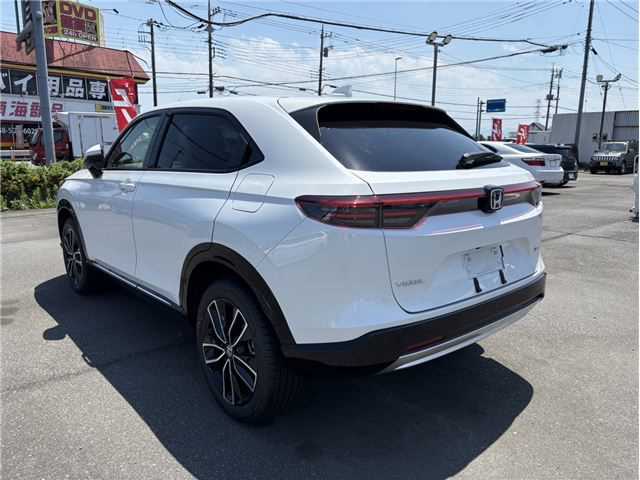
Q: What are common deal‑breakers for a used Vezel/HR‑V?
A: Major structural repairs, flood damage, evidence of skipped maintenance, persistent transmission/CVT or hybrid system fault codes, and significant rust in key structural areas.
Q: Should I buy from a dealer or private seller?
A: Dealers can offer warranties and trade paperwork but may be pricier. Private sales can be better for price but require more due diligence (VIN check, service records, pre‑purchase inspection).
If you want a region‑specific version with exact trim names, engine codes, and typical market values for 2025 Vezel/HR‑V, tell me your country or state and I’ll add that information.


