

2017 honda n-wgn
clearance requirements
cost calculation
customs clearance
documentation
expected costs
honda n-wgn
HONDA N-WGN 2017 In Uganda Import Basics Clearance Notes Where To Buy What To Avoid
import costs
import duties
import process
importing cars
inspection
insurance
Japanese used cars
port handling
practical guide
registration
shipping costs
shipping timeline
taxes and duties
timeline
Uganda
used car import
vehicle import
what to avoid
where to buy

Importing a compact Japanese kei car like the 2017 HONDA N‑WGN to Uganda can be an excellent way to get a reliable, fuel‑efficient city car. This guide covers the basics, where to buy, the clearance and documentation you’ll need, how costs are calculated (with an example), expected timeline, and common pitfalls to avoid.
Basics: what the Honda N‑WGN is and why it’s popular
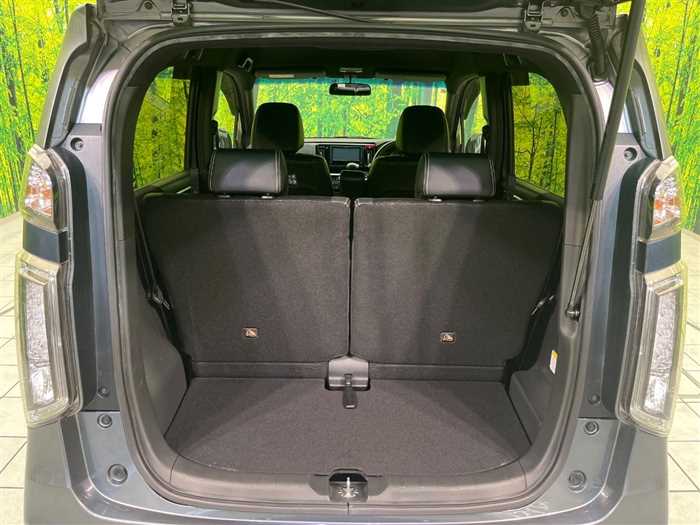
The Honda N‑WGN is a kei‑class hatchback built primarily for the Japanese domestic market (JDM). It’s compact, usually right‑hand drive (which is correct for Uganda), fuel efficient, and relatively inexpensive second‑hand. Because many are sold from Japan, they are often low mileage and well maintained. Keep in mind that kei cars have small engines (usually 660cc) and specific tax/tariff classifications which affect import duty and excise calculations.

Where to buy
- Online exporters and marketplaces that specialise in Japanese used cars (examples include large international exporters and auction houses). Look for reputable providers with clear photos, documented inspection reports, and verified feedback.
- Japanese auto auctions (USS, TAA, etc.) via a broker/exporter. Auctions give access to many vehicles but require an exporter/broker to handle bidding, export documentation and shipping arrangements.
- Auction/used‑car dealers in the UK, UAE or Kenya (if you prefer regional suppliers). Buying regionally can simplify logistics but may increase purchase price.
- Local agents in Uganda who import cars regularly — they can manage the entire process (purchase, shipping, clearance) for a fee.
Documents and clearance requirements (what you’ll need)
Clearance procedures and exact document requirements change, so always confirm with Uganda Revenue Authority (URA) or a licensed clearing agent before you buy. Common required documents include:
- Original vehicle title / logbook / export certificate from the seller.
- Bill of Lading (B/L) or Sea Waybill.
- Commercial invoice showing purchase price, currency and terms.
- Packing list (if provided) and proof of shipping costs/insurance.
- Certificate of origin (if applicable) — can affect preferential rates under trade agreements.
- Pre‑export inspection report (some exporters supply JEVIC or other inspection reports).
- Import declaration forms submitted to URA (through ASYCUDA/clearing agent).
- Proof of payment and identification for the importer; tax/registration documents for Uganda entry and subsequent local registration.
You will also need to arrange for a pre‑clearance inspection when the car arrives, pay port handling and storage fees (if applicable), and obtain a roadworthiness check and local registration before driving on Ugandan roads.
How expected costs are calculated
Import taxes are typically applied to the CIF value (Cost + Insurance + Freight). The usual components to anticipate are:

- CIF value: purchase price + international freight + insurance to the discharge port.
- Customs duty: a percentage of CIF (rate depends on HS code and policy; confirm current URA rates).
- Excise duty: applied to vehicles based on engine size, age, and sometimes value. Keis often attract lower excise but verification is needed.
- Value Added Tax (VAT): charged on (CIF + customs duty + excise duty) — Uganda’s standard VAT rate has been 18% historically but verify current rate.
- Other levies: such as a Railway Development Levy (small percentage), processing fees, port charges, clearing agent fees, inspection fees and inland transport.
Example (illustrative only)
Assume:
- Purchase price: $6,000
- Shipping & insurance to Mombasa or Dar: $800
- CIF = $6,800
Sample tax math (illustrative — actual rates vary):
- Customs duty (e.g., 25% of CIF): 0.25 × 6,800 = $1,700
- Excise duty (e.g., 15% on CIF): 0.15 × 6,800 = $1,020
- VAT (18% on CIF + customs + excise): 0.18 × (6,800 + 1,700 + 1,020) = 0.18 × 9,520 = $1,713.60
- Other levies and handling (approx): $300
- Total taxes & fees ≈ $4,733.60; Grand total (vehicle + taxes + shipping/fees) ≈ $10,733.60
Note: These figures are illustrative. Actual customs duty and excise rates, as well as the base of taxation for excise, can differ. Always get a quote from URA or an experienced custom broker before purchase.
Typical timeline
- Finding and buying the car: 3–14 days depending on search and seller processing.
- Export processing in Japan (release & loading): 3–10 days.
- Ocean transit to Mombasa or Dar es Salaam: 3–6 weeks depending on schedule and routing.
- Port handling, customs clearance and inland transport to Kampala: 1–2 weeks if documentation is complete; longer if there are delays or inspections.
- Total door‑to‑door time: typically 5–10 weeks from purchase to delivery in Uganda.
What to avoid
- Buying without complete documentation — missing title, forged documents, or incomplete invoices cause major delays and possible seizure.
- Vehicles with salvage or flood history without clear disclosure and repair documentation.
- Exporters who don’t provide a Bill of Lading or who insist on cash-only without a clear contract.
- Assuming import taxes are fixed — rates change and depend on category, origin, and policy; don’t make decisions without up‑to‑date URA confirmation.
- Failing to verify vehicle specifications (engine size, fuel type) — these affect excise and registration requirements.
Practical tips
- Work with a licensed Ugandan clearing agent — they know URA processes and can provide a practical estimate of charges.
- Ask the exporter for recent inspection reports and clear high‑resolution photos including VIN/chassis plates.
- Budget a contingency (10–20%) for unexpected fees, currency fluctuations, or demurrage at the port.
- Confirm local registration, insurance and roadworthiness requirements so you can legally drive soon after clearance.
Final thoughts
Importing a 2017 Honda N‑WGN into Uganda can be cost effective if you budget carefully, verify documents, and work with reputable exporters and clearing agents. The key variables that determine total cost are the purchase price, shipping/insurance, and import taxes based on CIF. Because regulations and rates change, always confirm exact duties and procedures with Uganda Revenue Authority or a licensed customs broker before committing to a purchase.
FAQs
Do kei cars like the N‑WGN qualify for any special tax treatment?
Some countries apply different excise formulas based on engine size and vehicle type. Kei cars often have small engines and may attract lower excise than larger cars, but exact treatment depends on URA rules — confirm before purchase.
Can I import directly myself or should I use an agent?
You can import directly, but paperwork, port procedures and URA systems are complex. Using a licensed clearing agent is strongly recommended unless you have prior import experience and time to manage the process.
Where is the usual port of entry for imported cars to Uganda?
Many imports arrive via the Port of Mombasa (Kenya) and are transported by road to Kampala. Dar es Salaam (Tanzania) is another option. Choose based on shipping cost and transit time.
How much should I budget for registration and local compliance?
Registration, number plates, roadworthiness checks and local insurance are relatively minor compared to import duties, but allow a few hundred dollars for these and any small repairs needed to meet local standards.
Where can I check the most current import duties and requirements?
Contact Uganda Revenue Authority (URA) directly, consult a licensed clearing agent in Uganda, or use the official URA website for up‑to‑date tariff and procedural information.


