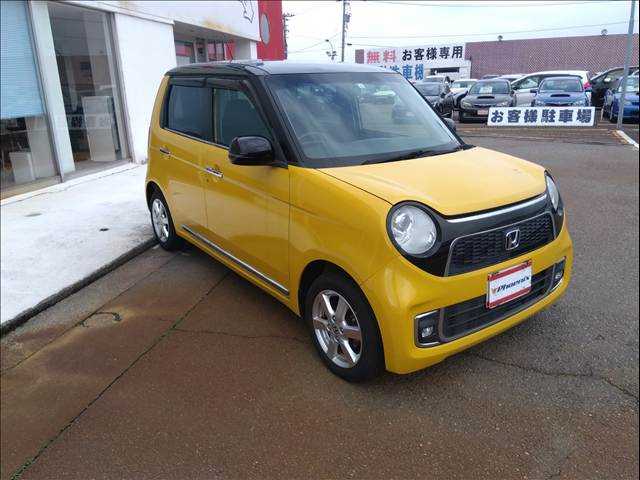
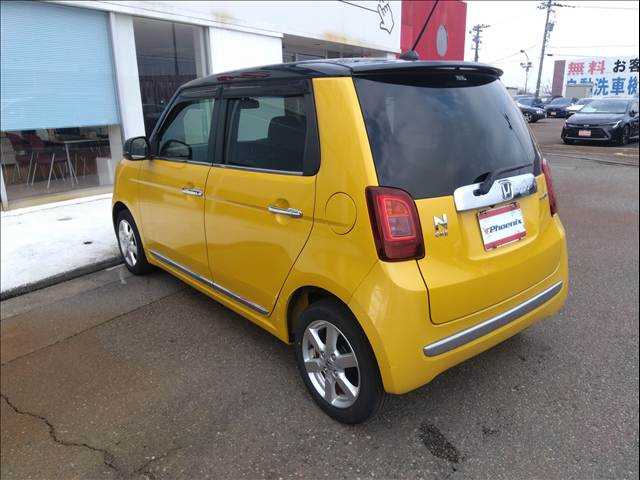
A concise, practical checklist you can use when inspecting, test‑driving and verifying paperwork for a 2017 HONDA N‑ONE or a comparable used kei car. Break this into the essential paperwork, visual/physical inspection, test‑drive checks, mileage verification questions and recommended extra checks.
1. Paperwork — what to confirm before purchase
Title / Registration: Confirm the VIN/chassis number matches the body plate, registration papers and any service records.
Ownership history: Number of prior owners and transfer documents; check for liens or financial encumbrances.
Shaken / Vehicle inspection (Japan) or equivalent: Note expiry date and mileage at the last inspection. Ensure items listed were repaired.
Service book & receipts: Verify regular oil changes, timing-related services, brake work and CVT/transmission service if shown.
Maintenance records: Look for regular intervals and major repairs (engine/transmission replacement, collision repairs).
Accident and repair history: Any disclosure of structural/frame repairs, airbag replacements or major panel replacement.
Recall & warranty information: Use the VIN to check outstanding recalls and whether any recall work was completed.
Insurance & claim records: Helpful to confirm whether the car has been in flood or severe accident events.
Spare keys & manuals: Confirm presence of all keys, keyless fob, and owner’s manual.
2. Visual / physical inspection — walkaround and under‑hood
Exterior panels & paint: Look for mismatched paint, uneven gaps, overspray, bubbling or localized rust — particularly around wheel arches, sills and under doors.
Glass & lights: Check for star cracks, lens fogging, proper sealing of headlamps, tail lamps and indicator lenses.
Tire age & tread: Inspect tread depth, even wear pattern and DOT/date codes (age). Kei cars often need smaller tires: check sidewall condition for dry rot.
Wheels & brakes: Check for bent rims, caliper condition, and brake pad thickness; spin wheels if on a lift to listen for noise.
Suspension & steering play: Push down each corner for rebound, look for torn boots, leaking shocks, or excessive play in steering joints.
Underbody & exhaust: Inspect for heavy rust, holes in exhaust, and leaks at joints. Kei cars can be prone to corrosion in older models.
Engine bay checks: Oil level and condition (milky = coolant dilution), coolant level and color, obvious fluid leaks, cracked hoses, belt condition and battery date.
Interior condition: Seat rails, seat belt operation, dashboard warning lights, HVAC vents, upholstery condition and smell (mildew suggests water ingress).
Electrics: Test windows, central lock, instrument cluster, radio, backup camera and any navigation or parking sensor systems.
Spare & tools: Verify spare tire (or repair kit), jack and tool kit are present and in usable condition.
3. Test‑drive checks — what to do while driving
Cold start: Start from cold. Note ease of starting, smoke (blue/white/black), unusual rattles or excessive vibration at idle.
Idle & warm‑up: Smooth idle, no erratic revving. After warm‑up, listen for CVT whining or abnormal sounds.
Acceleration & throttle response: No hesitation, stalling, or surging. For CVT cars listen for slipping or unusual hunting when accelerating.
Transmission behavior: Smooth shifts (or consistent CVT behavior), no delay when changing drive modes, no slipping under load.
Braking: Firm pedal, no pulsing or vibration, ABS activation should be smooth if tested; check emergency/parking brake hold.
Steering & alignment: Car should track straight with centered steering; note pulling or uneven steering feedback and any play.
Suspension & noise: Drive over bumps—listen for clunks, squeaks or creaks indicating worn bushings or mounts.
Climate controls: A/C cold on highest setting, heater works after warm‑up, blower speeds and recirculation function correctly.
Electronics on the move: Reverse camera, sensors, cruise control (if equipped) and steering-wheel controls function while driving.
4. Mileage verification questions — prove the odometer is truthful
Service stamps vs odometer: Do mileage entries in the service book and inspection slips match the odometer progression?
Timing of inspections: Is the distance between inspection/service dates plausible for the claimed mileage?
Wear vs kilometers: Do interior wear, pedal wear, and tire condition match the odometer reading for a 2017 kei car?
Digital records: Ask the seller for digital service invoices, MOT/Shaken scans or past inspection photographs showing odometer readings.
VIN decoding & history checks: Use a history report to look for inconsistent mileage entries or odometer resets tied to repairs.
Seller questions: How long and how often was the car used (city vs highway), and was the odometer ever repaired or replaced?
5. Recommended extra checks (professional or specialized)
OBD/ECU scan: Read stored trouble codes and pending codes before purchase. Many faults are logged even if the MIL is off.
Compression / leak‑down test: Especially useful if there’s smoky exhaust or low compression concerns on an older small engine.
Paint thickness gauge: Detect repaired collision areas and structural repairs under paint.
Lift inspection: Check frame rails, subframes and suspension mounting points for hidden rust or repairs.
CVT fluid & gearbox check: If possible, inspect CVT fluid condition and history—high-mileage CVTs benefit from documented service.
Flood & salt damage inspection: Internal components, carpets and underdash for corrosion or residue from previous flooding.
Professional pre‑purchase inspection: A licensed mechanic can quickly spot safety, structural or imminent-expense items.
Final thoughts
Buying a used 2017 Honda N‑ONE or similar kei car can be straightforward if you follow a systematic checklist. Verify the paperwork first, conduct a close visual and mechanical inspection, perform a careful test drive and dig into mileage history. When in doubt, get an OBD scan and a professional pre‑purchase inspection. The small size and economy of kei cars make them easy to maintain when you buy one with a clear history and no hidden damage.
FAQs
Q: What are the most important red flags?
A: Mismatched VINs, signs of structural repairs, water/mildew smell, inconsistent service records vs odometer, and transmission problems heard during a test drive.
Q: Is a high‑mileage N‑ONE a bad buy?
A: Not necessarily. Kei cars are often reliable; priority is to check maintenance history, condition of the CVT, engine health and rust. A well‑maintained higher‑mileage car can be better than a low‑mileage neglected one.
Q: Should I insist on a professional inspection?
A: If you’re not comfortable evaluating mechanical or structural issues yourself, yes. A professional will detect problems you might miss and can save money long term.
Q: Any kei‑car specific tips?
A: Check the “shaken” or inspection interval and any kei‑car conversion/plate details. Also pay attention to tire age and small‑engine maintenance intervals—kei engines run at higher revs, so service history matters.
Use this checklist as a practical guide and adapt it to the local market and legal document names. When buying, prioritize safety and document verification over a low asking price.
As an experienced car inspector in Uganda, I’ve seen firsthand how crucial it is for buyers to understand vehicle performance in relation to their unique needs. Whether it’s for city...
As an experienced car inspector in Uganda, I often encounter various buyer perspectives that shape how individuals assess vehicles like the Honda N-ONE 2015. For city commuters, fuel efficiency can...
The HONDA N‑ONE launched in 2012 as Honda’s retro-styled kei car offering: compact, efficient and maneuverable for city use. If you’re looking at a used 2012 N‑ONE, this guide covers...
The Honda N-One 2016 is a compact and stylish vehicle that has garnered attention for its urban-friendly design and efficient performance. In Uganda, where road conditions can vary significantly—from well-maintained...
Family owned dealership of new and pre-owned vehicles with several locations across the Uganda. Lowest prices and the best customer service guaranteed.
You're almost there, select at least one more to compare!
We use cookies to ensure that we give you the best experience on our website. If you continue to use this site we will assume that you are happy with it.
You can revoke your consent any time using the Revoke consent button.