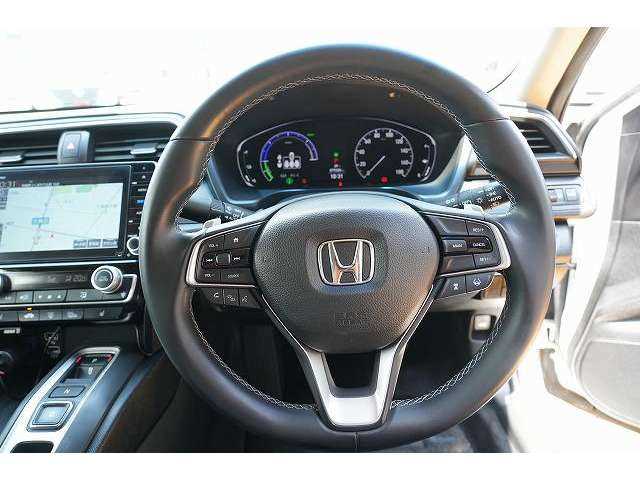
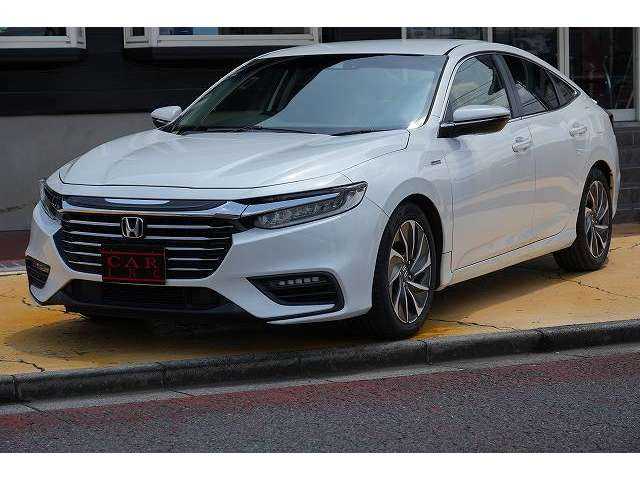
The 2019 HONDA INSIGHT is a compact hybrid that combines a 1.5L Atkinson‑cycle engine with an electric motor and a battery pack to deliver efficient, reliable driving. This cheat‑sheet gives concise, practical maintenance guidance: recommended service intervals, common issues and things to watch, quick troubleshooting tips, and owner recommendations to keep your Insight running well.
Quick reference — essentials
Engine oil & filter: 0W‑20 synthetic recommended. Typical interval: 7,500 miles / 12 months (normal); 3,750 miles for severe use. Check owner’s manual.
Tire rotation: Every 7,500 miles (with oil change) or as recommended. Check alignment and pressures monthly.
Air filter (engine): Inspect at 15,000 miles; replace 30,000–45,000 miles depending on conditions.
Cabin air filter: Replace every 15,000–30,000 miles or annually if in dusty conditions.
Spark plugs: Often long‑life plugs — inspect/replace around 100,000 miles (follow manual).
Brake fluid: Replace every 2–3 years (controls ABS and hybrid regen brakes performance).
Coolant (engine): Inspect regularly; many HONDA schedules suggest long intervals initially (e.g., first change ~120,000 miles) — confirm in manual.
CVT/transaxle: Inspect fluid condition; consider service or replacement between 60,000–100,000 miles if heavy use or symptoms appear.
12V battery: Replace proactively every 4–6 years depending on climate and usage.
Hybrid battery: No routine replacement; monitor performance. Typical warranty is 8 years/100,000 miles (may vary by region).
Common issues to watch for
12V battery failure — hybrids rely on the small 12V battery for electronics; symptoms include slow cranking or multiple electronic errors after starting.
Infotainment/glitches — touchscreen or Android Auto/Apple CarPlay connectivity issues; often fixed with software updates or resets.
Reduced fuel economy — can be caused by low tire pressure, degraded hybrid battery performance, clogged air filter, or sensor issues (MAF, O2).
Brake feel changes — due to regenerative braking interaction; uneven pad wear or judder can appear earlier on hybrids if not monitored.
CVT noise/vibration — rough or unusual noises under load should be checked early to avoid costly repairs.
Warning lights — hybrid system warnings, traction control, or check‑engine lights warrant prompt diagnostic scans to prevent escalation.
Troubleshooting quick tips
No start / strange electronics: Check the 12V battery first. Many “hybrid” failures trace back to a weak 12V battery that won’t power computers or relays.
Hybrid warning or reduced power: Park safely, turn vehicle off, wait 1–2 minutes, and restart. If warnings persist, scan for codes — dealer or qualified hybrid tech recommended.
Poor regen or odd brake feel: Inspect brake pads/rotors and brake fluid condition. Have ABS/regen sensors scanned if the system behaves inconsistently.
Tire wear or pull: Check alignment and rotate tires. Maintain proper pressure for best fuel economy and handling.
Infotainment bugs: Soft reset the system (power cycle), update phone app software, and check for dealer firmware updates for the head unit.
Owner recommendations — practical habits
Follow the owner’s manual schedule — the manual is authoritative for fluid types and intervals. Use Honda‑approved fluids where specified.
Keep oil changes and tire rotations on time — these small, inexpensive services prevent larger problems and preserve economy.
Preemptively replace the 12V battery every 4–6 years if you keep the car long term — avoids unexpected no‑start or electronics faults.
Watch hybrid battery performance: sudden drops in fuel economy, repeated hybrid warnings, or inability to hold charge should be diagnosed early.
Address warning lights promptly — hybrids have interlinked systems; one unresolved light can lead to cascading issues.
Document software and recall updates — dealers may issue firmware fixes or recalls that impact driveability or reliability.
Use gentle driving where practical — minimizing aggressive acceleration and heavy braking reduces wear on the CVT and hybrid system components.
Shop smart: For routine items (oil, filters, brakes), qualified independent shops are fine. For high‑voltage hybrid repairs, use a trained hybrid technician or dealer.
Parts & fluids cheat notes
Engine oil: 0W‑20 synthetic (Honda recommends this viscosity).
Brake fluid: DOT 3 or DOT 4 (use spec in manual); replace every 2–3 years.
Coolant: Use Honda‑approved coolant type; top up only with recommended mix.
Filters: OEM cabin and engine air filters maintain HVAC and engine efficiency — replace as scheduled.
Reminder: This is a practical guide — always confirm intervals and specs with the vehicle owner’s manual or a Honda dealer. Hybrid systems involve high voltage; do not attempt high‑voltage diagnostics or repairs unless qualified.
Final thoughts
The 2019 Honda Insight is a well‑engineered hybrid that rewards steady, proactive maintenance. Keep oil and tire maintenance current, monitor the 12V and hybrid battery health, address warnings quickly, and use OEM or recommended fluids and parts. With timely care — especially attention to brakes, fluids and software updates — the Insight will deliver durable, efficient service for many years.
FAQs
Q: How often should I change the hybrid battery?
A: Hybrid battery packs in modern Hondas aren’t on a routine replacement schedule. Monitor performance; replace only if performance degrades or diagnostics indicate fault. Warranty coverage is typically 8 years/100,000 miles in many regions—check your warranty documents.
Q: Can I use any oil or do I need to use Honda oil?
A: Use 0W‑20 synthetic oil meeting the API and ILSAC specifications. Using a high‑quality synthetic that meets Honda specs is fine; OEM oil is convenient but not strictly required if the oil meets the right specs.
Q: My car shows hybrid system warnings — can I keep driving?
A: If a hybrid warning appears, drive conservatively to a safe location and restart the vehicle. If the warning persists, have it scanned promptly. Some hybrid warnings allow limited driving, but continuing to drive can risk further damage.
Q: When should I replace the 12V battery?
A: Expect 12V batteries to last 3–6 years depending on climate and use. Replace proactively if you notice slow electronics, dim lights, or intermittent starting issues.
Q: Is there anything special about servicing the brakes on a hybrid Insight?
A: Regenerative braking changes pad wear patterns; have brakes inspected regularly and use technicians familiar with hybrid regen systems. Also, keep brake fluid fresh to maintain ABS and regen performance.
Importing a used hybrid like the 2012 HONDA INSIGHT into Uganda can be a smart, economical choice if you know where to buy, which documents to collect, the clearance steps,...
A focused checklist to use when evaluating a 2012 HONDA INSIGHT at a dealer. Split into paperwork, visual/under‑hood inspection, test‑drive checks, mileage questions, and negotiation/red‑flags. Finish with a conclusion and...
Introduction The 2009 HONDA INSIGHT is a notable entry in the hybrid vehicle market, designed with a primary focus on fuel efficiency, especially for city and highway driving. It combines...
Family owned dealership of new and pre-owned vehicles with several locations across the Uganda. Lowest prices and the best customer service guaranteed.
You're almost there, select at least one more to compare!
We use cookies to ensure that we give you the best experience on our website. If you continue to use this site we will assume that you are happy with it.
You can revoke your consent any time using the Revoke consent button.