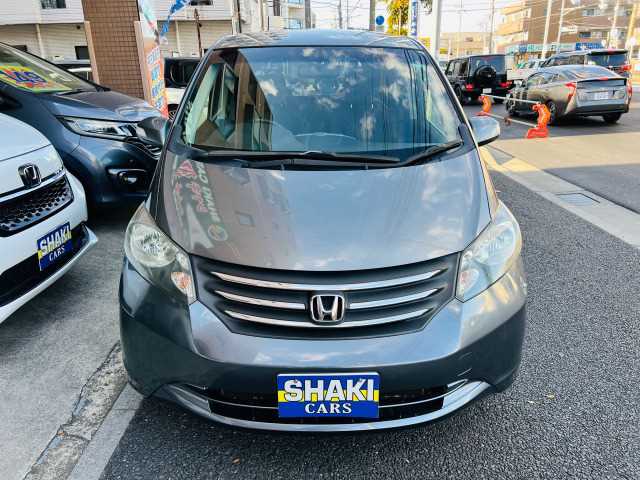
These concise, actionable notes cover insurance, financing, budgeting (total cost of ownership), key checks and risks, and long‑term value. They assume you’re looking at a 2011 HONDA FREED or a similar small MPV and want straight, practical next steps.
Quick Overview
The 2011 HONDA Freed is a compact MPV popular for its flexible interior, sliding doors, and fuel-efficient 1.5L engines in many markets. It’s generally reliable, economical, and easy to maintain, but as a 10+ year vehicle you should expect age‑related wear (suspension, rust, seals), possible CVT or gearbox issues depending on service history, and variable resale value by region.
Insurance — What to Prioritize
Get multiple quotes. Compare full coverage vs. liability-only depending on the car’s market value and your loan obligations.
If the market value is low (close to repair costs), consider dropping collision and comprehensive; keep liability and uninsured motorist where required.
Keep gap or loan/lease coverage if financing with a balance higher than the car’s value (rare for older cars, but possible if you roll negative equity into the loan).
Ask insurers about discounts for anti‑theft devices, multi-policy, low-mileage, and safe-driver records.
Check historical claims for the model in your region—MPVs sometimes have lower theft rates but more parking/side damage claims (sliding doors).
Financing — Practical Rules
Shop interest rates from banks, credit unions, and online lenders. Used‑car rates vary widely and lengthening the term increases total interest paid.
Aim for the shortest loan term you can comfortably afford. 36–48 months is ideal for minimizing interest while keeping monthly payments reasonable.
Make a down payment if possible (15–20% or more) to reduce financing cost and negative equity risk.
Pre‑approve financing to strengthen your negotiating position with private sellers and dealers.
Consider cash purchase if the interest rates offered are high; the Freed’s depreciation is modest at this age, so cash can be a good choice if you have liquidity.
Budgeting / Total Cost of Ownership (TCO)
Estimate annual TCO before buying. Typical categories:
Fuel: the Freed’s 1.5L usually returns good economy—expect around 12–18 km/L (28–42 mpg) depending on engine/drive and driving style. Adjust based on your local fuel cost and mileage.
Routine maintenance: oil, filters, brake pads, tires — budget $500–$1,000/year depending on usage and labor rates.
Repairs: for an older MPV allow $500–$1,500/year on average for unexpected items (suspension, electronics, AC, CVT fluid change). Keep a small rainy-day fund.
Insurance, registration, taxes: vary by region—get quotes and add road tax/inspection fees.
Depreciation: lower on a 2011 model; but still factor in resale value decline if you plan to sell in a few years.
Pre‑Purchase Checks & Main Risks
Do a targeted inspection focusing on items common to older Freed models and small MPVs:
Service history: look for regular oil changes, CVT/transmission service (if applicable), timing chain/belt notes (many Freed engines use a chain—confirm for your market), and evidence of major repairs.
Engine & transmission: start cold, listen for unusual noises; on CVT models, test for shudder, lag, or slipping under load—these can be expensive to repair if caused by poor maintenance.
Sliding doors: check smooth operation, alignment, wiring for power sliding doors and sensors. Repairs can be fiddly and expensive.
Suspension & steering: check for knocks, play, and wheel alignment. Replace worn bushings, struts, or bearings are common in older MPVs.
Rust & bodywork: inspect wheel arches, sills, undercarriage and door bottoms—repair costs can escalate.
AC & electrical: test heater/AC performance, all lights, windows, and infotainment. Electrical gremlins are common with age.
Interior wear: track seat rails, upholstery, and modular seating mechanisms for jams or broken latches.
VIN & history check: confirm mileage consistency, accident history, flood/salvage titling and previous ownership.
Long‑Term Value & Ownership Strategy
For a 2011 Freed, long‑term value hinges on condition, service records, and how well it’s been cared for:
Well‑maintained examples hold value better—keep records and receipts.
If you plan to keep the car for many years, focus on preventive maintenance (fluids, brakes, suspension) and address small problems early.
Consider aftermarket parts availability and scrap/resale markets in your region—cheap parts mean cheaper repairs and better long-term ownership economics.
Low mileage and rust-free cars in good cosmetic condition will attract higher resale prices; otherwise expect gradual depreciation with age.
Actionable Next Steps (Checklist)
Get a vehicle history report (VIN) and two insurance quotes.
Arrange a pre‑purchase inspection with a trusted mechanic who knows Honda small MPVs.
Test drive on mixed roads; check CVT under acceleration, and operate sliding doors repeatedly.
Negotiate price based on identified defects and upcoming maintenance items.
Pre‑approve loan if financing; compare total cost across lenders, not just monthly payment.
Plan for a CVT fluid change and full service soon after purchase (if records are missing).
Keep maintenance records and receipts in a folder to preserve future resale value.
Final thoughts
The 2011 Honda Freed is a practical, economical small MPV for families and city drivers. With careful checking—especially of transmission service, sliding doors, rust and suspension—you can buy one that’s reliable for years. Finance conservatively, insure according to the car’s current value and your risk tolerance, and budget realistically for maintenance and occasional repairs. Prioritize a pre‑purchase inspection, maintain service records, and practice preventive maintenance to maximize long‑term value.
FAQs
Q: Is the CVT on the 2011 Freed a major risk?
A: Only if it hasn’t been serviced. CVTs can last a long time with proper maintenance (regular fluid changes with the recommended fluid). If transmission behavior is harsh, budget for diagnosis/repair and weigh that into the purchase price.
Q: Should I buy extended warranty for a 2011 Freed?
A: Extended warranties can be useful if the car is high mileage or you want predictable costs. Check what’s covered (transmission, electronics, hybrid components if relevant) and compare cost vs. likely repairs.
Q: How much should I pay for maintenance annually?
A: Expect $500–$1,500 depending on mileage, local labor rates and whether you DIY. Factor in tires, brakes and occasional larger items for an older car.
Q: Can I safely drop collision insurance on this car?
A: If the car’s market value is low compared to your deductible and rebuilding costs, dropping collision can save money. Don’t drop it if you owe a loan—your lender may require it.
Q: What are the most common failures?
A: Age-related items: worn suspension parts, door mechanism issues, AC compressor or blower problems, and occasionally transmission concerns if maintenance was neglected. Rust and cosmetic wear are frequent too.
If you’d like, provide the vehicle listing details (VIN, mileage, photos) and I can suggest a targeted inspection checklist and price negotiation points.
The Honda Freed Spike 2011 is a versatile compact MPV that has garnered attention for its design and practicality, especially in urban settings. In Uganda, where road conditions can vary...
I can do this — but to give realistic numbers I need your location (country/market) and whether the Freed+ you mean is the petrol 1.5L or the hybrid (e:HEV) variant....
As an experienced car inspector in Uganda, I have seen a variety of vehicles perform under our unique driving conditions. The Honda Freed Spike 2014 has garnered interest for its...
As an experienced car inspector in Uganda, I’ve had the opportunity to assess a variety of vehicles for different needs and conditions. When it comes to family use, the Honda...
Family owned dealership of new and pre-owned vehicles with several locations across the Uganda. Lowest prices and the best customer service guaranteed.
You're almost there, select at least one more to compare!
We use cookies to ensure that we give you the best experience on our website. If you continue to use this site we will assume that you are happy with it.
You can revoke your consent any time using the Revoke consent button.