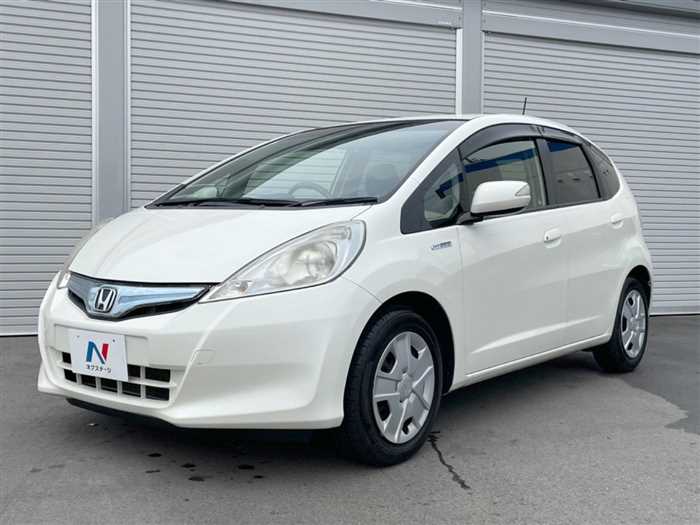
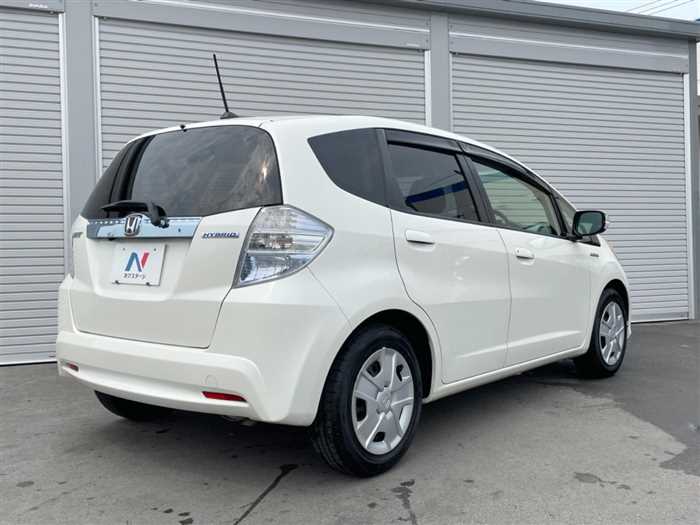
The 2012 HONDA FIT HYBRID can be an economical, practical choice if you find one well cared for. It blends the Fit’s flexible cargo space and city-friendly size with a hybrid powertrain that improves fuel economy. However, older hybrids have unique issues — battery health, hybrid-specific repairs, and higher-cost surprises — so a focused pre-purchase inspection matters. Below is a compact, practical checklist of what to inspect, what constitutes a deal‑breaker, and how to spot hidden costs before you commit.
Preliminary steps
Run the VIN through a vehicle history report (accidents, salvage, odometer issues, flood damage).
Ask for full service records — hybrid systems benefit from consistent maintenance.
Plan for a professional inspection, ideally by a mechanic familiar with HONDA hybrids or at least hybrid systems in general.
What to check — Exterior, interior, and body
Body alignment and paint: mismatched panels, uneven gaps, or oversprayed paint may indicate prior collision repair.
Rust: pay special attention to the undercarriage, wheel arches, and suspension mounting points.
Lights, windows, and seals: ensure all exterior lights, power windows, and door seals function and are leak-free.
Interior wear: check seats, switches, HVAC controls, and the infotainment display for proper operation and excessive wear inconsistent with the odometer.
What to check — Hybrid system and powertrain
The hybrid system is the main difference from a conventional Fit. Focus here:
Dashboard warning lights: no persistent hybrid system, ABS, or check-engine lights should be present.
High-voltage components: visually inspect high-voltage cables (orange or clearly labeled) for damage or amateur repairs.
Battery condition: ask if the high-voltage battery has been tested recently. A weak hybrid battery can reduce fuel economy and increase repair costs.
Electric assist and EV behaviors: during a test drive, monitor when the electric motor engages (silent, smooth assist under light acceleration) and when regenerative braking is active.
Transmission: many Fits use a CVT-style or continuously variable system with hybrid integration. There should be no hesitation, slipping, or loud whining at cruising speeds.
Test‑drive checklist
Cold start: start the car cold and listen for unusual noises; hybrids may start with the ICE (internal combustion engine) off — ensure smooth transitions.
Idle behavior: engine should not surge or die when the car shifts between electric-assisted and gasoline operation.
Acceleration and passing: test full throttle and moderate passing; the hybrid assist should feel smooth and not produce abrupt surges.
Regenerative braking: test braking at various intensities — it should feel consistent, with no strange shuddering from the brakes or regen system.
Climate control: run A/C and heat through cycles; hybrids sometimes use auxiliary systems that are costly to repair.
Deal‑breakers
Some findings should raise red flags and may justify walking away:
Major accident or frame damage on the vehicle history report (salvage or structural repairs).
Flood or water damage — hybrid components and water don’t mix well.
Evidence of incomplete or amateur high-voltage repairs (exposed wiring, non-factory connectors).
Severe rust in structural areas or suspension mounts.
Hidden costs to anticipate
Even when a Fit Hybrid looks solid, budget for a few potential extras:
Hybrid battery replacement or refurbishment: depending on condition, expect a wide range of costs. Refurbished modules can be cheaper; OEM replacements are pricier. Research local options and warranties before you buy.
Specialist diagnostics: hybrid-specific diagnostics or repairs often require technicians with hybrid training and specialized tools, which can raise labor costs.
Parts availability: older hybrid parts may be less common, resulting in longer lead times or higher prices for some components.
Higher insurance for hybrid/electric vehicles in some markets — check rates before purchase.
Emissions and safety inspections: if the vehicle fails local inspections, remediation costs may be significant.
Documentation and negotiation tips
Get copies of maintenance records and any hybrid battery diagnostic reports. A well-documented service history increases confidence and resale value.
Use any issues found during inspection (battery age, minor leaks, worn brakes) as negotiation leverage — expect room to bargain for repair costs.
Consider a short-term warranty or a certified pre-owned option where available. Even a limited mechanical warranty can offset major unexpected expenses.
Final thoughts
A 2012 HONDA FIT Hybrid can be a reliable, fuel-efficient daily driver when it has been properly maintained. Focus your inspection on hybrid battery health, warning lights, professional repairs to high-voltage systems, and a clean vehicle history. Avoid cars with salvage, flood damage, or persistent hybrid-system faults. Budget for potential hybrid-specific costs (battery servicing, specialist labor), verify records, and get a trusted inspection before signing. With the right checks, you can secure a practical, economical Fit Hybrid that delivers long-term value.
FAQs
How can I tell if the hybrid battery is failing?
Common signs are reduced fuel economy, frequent transition issues between electric and gas mode, persistent hybrid-system warning lights, and limited EV-assist during light acceleration. Ask for a load test or module-level diagnostic from a hybrid-savvy shop.
How much does a high-voltage battery replacement cost?
Costs vary widely by region and whether you choose refurbished, reconditioned, or new OEM packs. Expect anything from a few hundred dollars (reconditioned modules in some markets) to several thousand for a full OEM replacement plus labor. Get multiple quotes.
Is a 2012 Fit Hybrid more expensive to insure?
Insurance costs depend on your insurer and local risk factors. Some insurers charge slightly higher rates for hybrids due to repair and parts costs, but others may offer discounts for fuel-efficient vehicles. Shop around.
Do hybrids require special maintenance?
Hybrids largely share maintenance with conventional cars (fluids, brakes, tires), but they have additional high-voltage components and battery systems. Regular software updates and hybrid-system checks at service intervals help avoid surprises.
Should I buy a used Fit Hybrid over a conventional Fit?
If your driving pattern is city-oriented with frequent stop-and-go traffic, the hybrid can save fuel. For long highway-only driving, the fuel advantage narrows. Consider total cost of ownership including possible hybrid repairs and insurance.
This compact guide focuses on what matters most when considering a used 2010 HONDA FIT HYBRID: insurance, financing, monthly budgeting, pre-purchase risk checks, and long-term value. The Fit Hybrid can...
As an experienced car inspector in Uganda, I’ve had the opportunity to evaluate the Honda Fit 2007 from multiple buyer perspectives. For city commuters in busy urban areas like Kampala,...
This guide gives a focused, practical checklist to maintain and inspect a 2013 HONDA FIT — whether you own one or are evaluating a used example. Always follow the owner’s...
As an experienced car inspector in Uganda, I understand the unique demands and priorities buyers face when selecting a vehicle. For those primarily engaged in city commuting, the compactness and...
Family owned dealership of new and pre-owned vehicles with several locations across the Uganda. Lowest prices and the best customer service guaranteed.
You're almost there, select at least one more to compare!
We use cookies to ensure that we give you the best experience on our website. If you continue to use this site we will assume that you are happy with it.
You can revoke your consent any time using the Revoke consent button.