

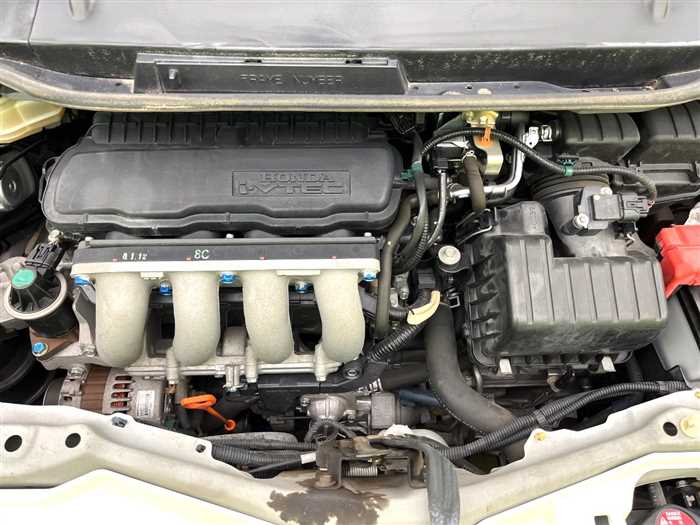
The 2010 HONDA FIT remains a popular subcompact thanks to its roomy interior, excellent packaging and efficient 1.5‑liter four‑cylinder engine. If you’re shopping used, the right Fit specification depends on what you prioritize: comfort, safety, handling or everyday practicality. This concise guide helps you match those priorities to trim and options and gives a practical checklist of what to inspect on any used example.
Understand the basic lineup and drivetrain
The 2010 Fit came in straightforward trims and configurations. All Fits use a compact, fuel‑efficient 1.5L i‑VTEC four‑cylinder with either a manual or an automatic transmission (most markets offered a 5‑speed manual and a 5‑speed automatic). Trim levels vary by region, but you’ll commonly see a base model and a sportier mid/up‑level model (often called “Sport”). Typical differences include wheel size and design, suspension tuning, interior trim, and additional convenience features.

Pick by priority
1. Comfort
If comfort is your priority, look for higher‑trim Fits or examples with options that improve the daily drive:
- Automatic transmission — smoother stop‑and‑go driving without clutch work.
- Upgraded seats — some trims have firmer bolstering or better materials; look for models with lumbar support if available.
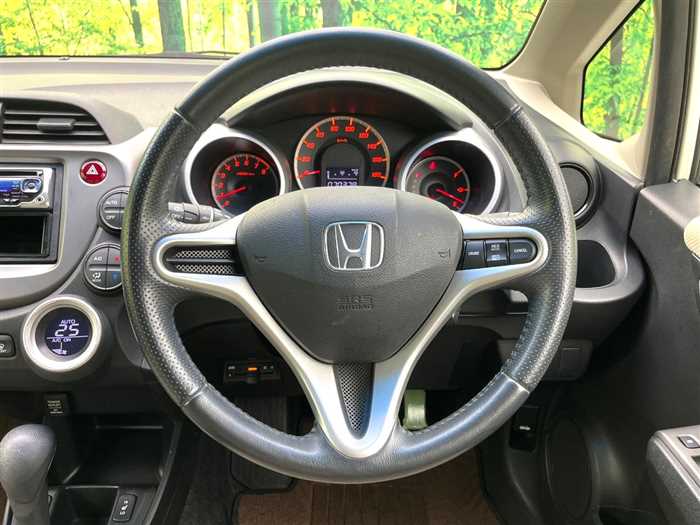
- Climate control and cruise control — these features make longer trips more pleasant.
- Sound insulation — mid/up trims often have slightly better noise suppression; aftermarket door seals or mats can help further.
- Good suspension bushings — worn bushings cause clunks and harshness, so choose a car with documented suspension maintenance.
2. Safety
For safety, focus on cars that have the most complete factory safety equipment and a clean maintenance and accident history:
- Airbags — ensure the Fit has front, side and curtain airbags if available in your market.
- Anti‑lock brakes (ABS) — helpful in emergency braking situations; some Fits came standard, others optional.
- Electronic stability/traction systems — availability varies by model year and region; these systems improve control in slippery conditions.
- Well‑documented repairs — a Fit with known, professionally repaired accident history is better than one with unknown damage.
3. Handling
If you value spirited cornering and responsive steering, aim for the sportier specification:

- Sport trim — usually fitted with firmer, sport‑tuned suspension, unique wheels and lower‑profile tires for better grip.
- Manual transmission — gives more direct control and faster response for drivers who like to be involved.
- Wheels and tires — quality tires with good tread and properly maintained alignment make the biggest difference for handling.
- Brakes and struts — check for upgraded or well‑maintained components; fresh shocks/struts improve body control.
4. Everyday practicality
For daily life, many buyers choose simplicity combined with the Fit’s hallmark flexibility:
- Base or mid trims — they typically include the essentials, low running costs and fewer costly electronics to repair.
- Automatic for city driving — easier in heavy traffic; manual for cheaper ownership and slightly better fuel economy if you prefer to drive it yourself.
- Magic Seat functionality — verify that the rear folding seat mechanism operates smoothly; it’s the Fit’s biggest practicality advantage for cargo versatility.
- Fuel economy and maintenance records — a well‑maintained Fit returns excellent economy and affordable servicing.
What to check on any used 2010 HONDA Fit
Before you buy, perform a methodical inspection. The Fit is generally reliable, but older cars can conceal problems. Here’s a focused checklist:
Exterior and structure
- Rust and corrosion — check wheel arches, rocker panels, undercarriage and around the rear hatch for rust or patchwork repairs.
- Panel gaps and paint — uneven gaps or mismatched paint can indicate past accidents.
- Lights and lenses — ensure all lights work and lenses are not cracked or fogged.
Interior and convenience
- Magic Seat function — fold, flip and secure each position; inspect the hinges and latches for wear.
- Seat fabric and trim — look for excessive wear, tears or water staining that indicate leaks.
- HVAC and electronics — test heating, A/C, radio, windows, locks and any navigation or infotainment options.
Mechanical and driving checks
- Engine performance — listen for abnormal noises, check for rough idle, smoking or oil leaks. Smooth, consistent power delivery is expected from the 1.5L engine.
- Transmission/Clutch — automatic shifts should be smooth; manuals should not slip and clutch engagement should be predictable.
- Suspension and steering — drive over bumps to test for clunks, bounce or excessive body roll; check steering for play or unusual vibrations.
- Brakes and tires — check pad thickness, rotor condition and even tire wear (uneven wear can indicate alignment or suspension issues).
Documentation and history
- Service records — consistent oil changes and scheduled maintenance are good signs.
- Accident and title history — verify the VIN and check Carfax/Autocheck or equivalent.
- Recalls — confirm any recalls were completed with a dealer or certified shop.
- OBD‑II scan — check for stored trouble codes that might reveal hidden issues.
Price and ownership tips
Factor in expected upcoming maintenance: tires, brakes, wear items and possibly suspension bushings. Manuals are often cheaper to maintain in the long run, but automatics can be more comfortable in urban driving. A well‑maintained mid‑trim Fit can offer a balanced mix of comfort and features without sacrificing the Fit’s core practicality.
Final thoughts
The 2010 Honda Fit is versatile: choose a higher trim and automatic for comfort, prioritize safety by selecting models with full airbag and brake packages, opt for the Sport spec or a manual if handling and driver engagement matter most, and pick a base or mid trim if everyday practicality and low cost of ownership are your priorities. Whatever spec you choose, a careful used‑car inspection and a clean service history are essential. The Fit’s clever packaging and reliable drivetrain make it a compelling choice when you find one in good condition.
FAQs
- Q: Which transmission is best for daily commuting?
- A: An automatic is usually the best choice for stop‑and‑go commuting because it reduces fatigue. If you prefer more driver involvement and potentially lower ownership costs, a manual is fine.
- Q: Are there common problem areas on the 2010 Fit?
- A: The Fit is generally reliable, but inspect for suspension wear, oil leaks, HVAC function and rust in older cars. Verify the Magic Seat mechanism works properly.
- Q: How important is the service history?
- A: Very important. Regular oil changes, timing and belt/chain checks (where applicable) and documented maintenance indicate a car was cared for and reduce your risk of unexpected repairs.
- Q: Is the Fit safe for family use?
- A: Yes—when equipped with available safety items such as side and curtain airbags and ABS. Check the specific car’s equipment and accident history to be sure.


