

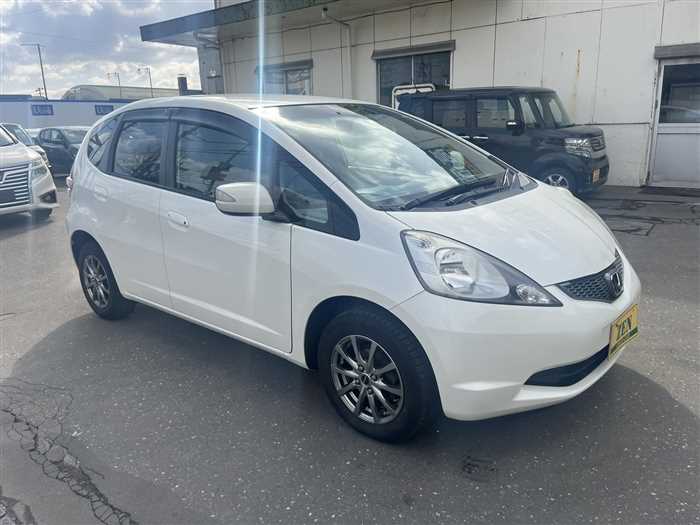
Below is a practical guide to choosing the right 2009 HONDA FIT (Jazz) specification for comfort, safety, handling and everyday use. I’ll cover what to prioritize based on how you’ll use the car, what features and trims to look for, and a pre‑purchase/test‑drive checklist.
Why the 2009 HONDA Fit?
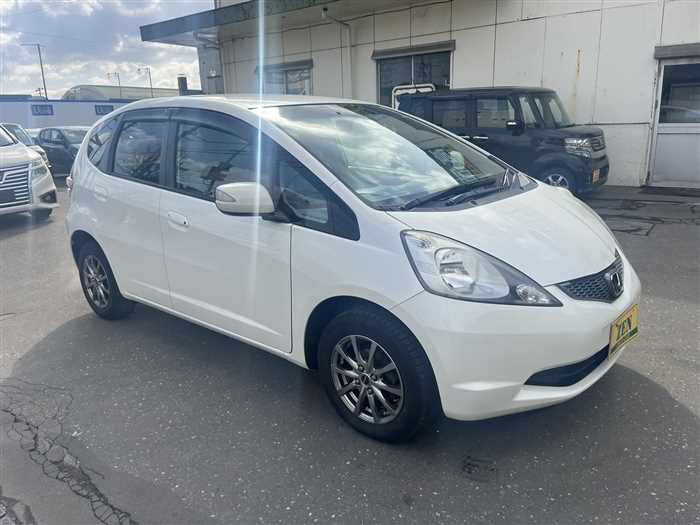
The 2009 Honda Fit (known as the Jazz in some markets) is prized for its compact footprint, flexible cargo space (the “Magic Seat”), fuel efficiency, and Honda’s reputation for reliability. Different specifications emphasize comfort, safety, or sportiness — picking the right one depends on how you plan to use the car.
Decide What Matters Most: Comfort, Safety, Handling, or Daily Use
Before you shop, prioritize your needs. Below are the main tradeoffs and the features to favor for each priority.
Comfort
- Transmission: Choose an automatic if you do a lot of city driving or want relaxed operation; manuals typically feel more engaging but require more effort in traffic.
- Interior features: Look for automatic climate control (or at least a well‑working HVAC), comfortable seat padding, and power windows/locks for convenience.
- Noise and ride quality: Higher‑spec trims or Fit models with smaller wheels and softer tires will generally ride smoother and be quieter than sport variants with low‑profile tires.
Safety
- Airbags: Prioritize models equipped with side and curtain airbags in addition to front airbags.
- Brakes and ABS: ABS is a key safety feature — ensure it’s present and functioning.
- Electronic aids: If a car has traction control or stability control, prefer it. If in doubt, verify the specific vehicle’s equipment.
- Verify crash ratings and check for a full maintenance history — a well‑maintained Fit is safer long term.
Handling
- Sport trim: Look for Sport (or equivalent) trims if you want firmer suspension, larger wheels, and sharper steering response.
- Transmission choice: Manual transmissions offer more driver control; automatics are sometimes less responsive but smoother for daily driving.
- Tires and brakes: Fresh, properly sized tires and well‑maintained brakes are more important than trim level for handling.
Everyday Use / Practicality
- Magic Seat: The rear seat’s multiple folding configurations are a big reason people choose a Fit — prioritize models with intact latches and upholstery.
- Fuel economy: The Fit is economical; prioritize vehicles with full service records and no engine leaks for continued efficiency.
- Comfort extras: Cruise control, a working radio and in some markets optional navigation or Bluetooth will make daily life easier.
Which Trims and Options to Look For
Trim names vary by market, but common distinctions are simple: base models provide basic transport, mid and higher trims add convenience and safety features, and sport trims focus on handling and looks.
- Base/Standard: Economical, fewer bells and whistles. Good if you want minimal cost and basic reliability.
- Mid/High specs: Often include power accessories, upgraded audio, and additional airbags — a good balance for comfort and safety.
- Sport: Stiffer suspension, larger wheels, sport styling. Choose this if handling and appearance are a priority, but expect a firmer ride.
Optional packages that matter: airbag packages, upgraded stereo/navigation, and any convenience packs (cruise control, remote keyless entry).

Pre‑Purchase / Test‑Drive Checklist
Use this checklist to avoid surprises and to evaluate whether a specific 2009 Fit meets your needs.
Documentation
- Service history: Look for regular oil changes and major service entries. Confirm any recent timing/valve or major engine work if applicable.
- VIN check: Run a vehicle history report for accidents, title status, odometer issues, and past repairs.
Exterior & Undercarriage
- Check for rust, especially under wheel arches and the frame crossmembers.
- Even paint and consistent panel gaps indicate no major repairs.
- Inspect tires for uneven wear (alignment or suspension problems).
Interior & Functionality
- Test all switches, HVAC, infotainment, power windows and locks.
- Check rear Magic Seat operation and seat cushions for sagging or tears.
Mechanical / Test Drive
- Cold start: Listen for unusual noises, rough idle or smoke from exhaust.
- Transmission: Watch for smooth shifts in automatics and clutch condition in manuals (no slipping or harsh engagement).
- Suspension: Drive over bumps to detect clunks or excessive bounce; listen for knocking or worn bushings.
- Brakes: Firm pedal feel, no vibration or pulling under braking.
Professional Inspection
For peace of mind, have a trusted independent mechanic inspect the car before purchase. They can spot hidden issues and give a repair-cost estimate.
Ownership Tips
- Follow the recommended service intervals; a Fit that’s been maintained will run well for many years.
- Keep an eye on tires and brakes — these are inexpensive items that dramatically affect safety and handling.
- Retain records of repairs and maintenance to preserve resale value.
Final thoughts
The 2009 Honda Fit (Jazz) is a versatile, economical choice that works well as a city commuter, small-family car, or practical runabout. Choose a trim and options based on your priorities: pick higher or mid‑level trims for comfort and safety features, a Sport variant if you want sharper handling, and prioritize a clean service history and safety features when evaluating any used example. Use the checklist above during inspections and test drives, and get a professional inspection if you’re uncertain. With the right specification and maintenance, a 2009 Fit can be a dependable and enjoyable car for everyday use.

FAQs
Q: Is the 2009 Honda Fit reliable?
A: Yes — when well maintained. Honda’s 1.5L engine and basic mechanicals are generally robust. Check service history for consistent oil changes and timely repairs.
Q: Manual or automatic — which should I choose?
A: Choose a manual if you want more driver involvement and potentially lower purchase cost. Choose an automatic for ease in city traffic. Both can be reliable if properly cared for.
Q: What are common problems to watch for?
A: Look for worn suspension components, uneven tire wear, A/C performance issues, and any signs of neglected maintenance. Use a professional inspection to catch less obvious items.
Q: Are parts expensive or hard to find?
A: No — parts for the Fit are generally affordable and widely available, thanks to the model’s popularity and Honda’s parts network.
Q: Is the Fit good for long trips?
A: Yes. While compact, the Fit’s seating flexibility and fuel economy make it capable for longer drives. Expect a firmer ride on sport‑trim models with larger wheels.


