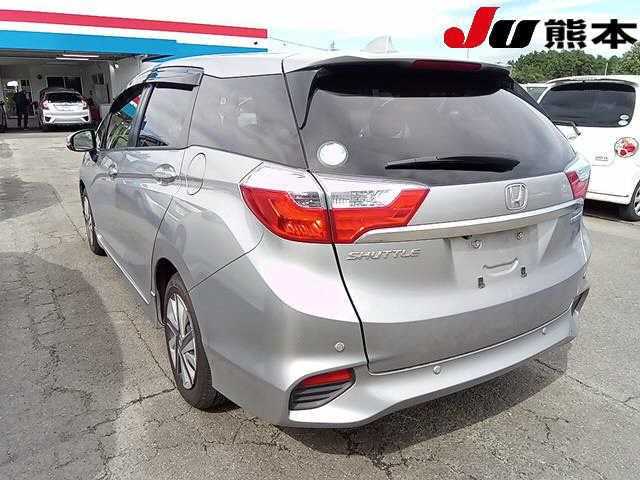
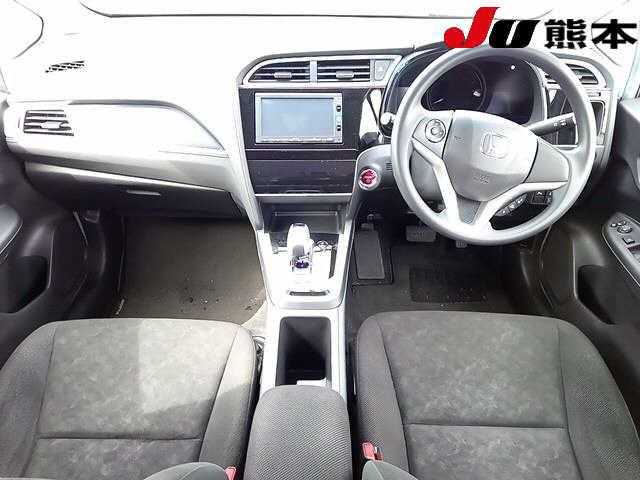
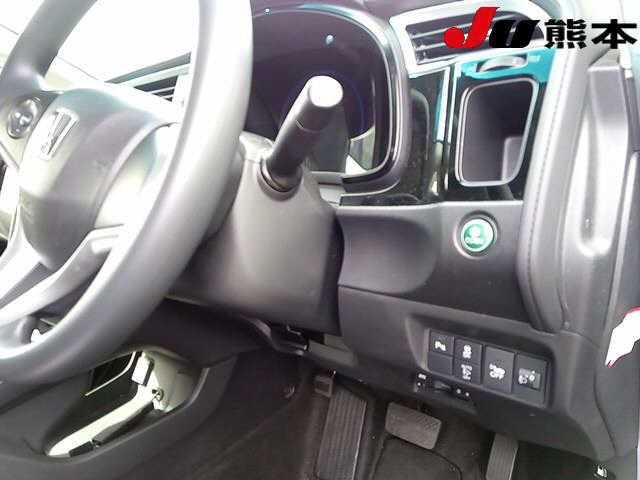
This guide focuses on practical, actionable checks and budgeting considerations when buying a 2016 Civic Shuttle or a similar Civic/wagon: insurance, financing, total cost of ownership (TCO), pre-buy risk checks, and long-term value. If you want numbers tailored to your country, credit score, asking price and trim, tell me those and I’ll run estimates.
Insurance: what affects your premium and how to shop
Key premium drivers: driver age and record, ZIP/postal code (theft & accident rates), vehicle value and trim, engine size (turbocharged engines can cost more), safety features and anti-theft equipment.
Trim considerations: higher trims with leather, navigation, or advanced driver-assist packages usually increase replacement costs and may raise premiums slightly.
Coverage types: carry state-required liability, consider comprehensive/collision for a financed car, and evaluate roadside assistance and rental reimbursement if you rely on the vehicle daily.
Discounts: multi-policy, safe-driver, anti-theft, good-student, and paid-in-full discounts are common—ask insurers for all available discounts and compare at least three quotes.
Optional protections: gap insurance (if financed and upside-down risk exists) and accident forgiveness can be useful; evaluate cost vs likely benefit.
Financing: terms, APR, and strategies
Get pre-approved before negotiating. Pre-approval gives leverage and helps you compare dealer offers to independent lenders.
Shorter terms (36–48 months) usually cost more per month but far less total interest than 60–72 month terms—avoid very long terms that create negative equity.
Interest rates for used cars depend heavily on credit score and market rates. Consider credit unions and online banks for competitive used-car rates.
Down payment: at least 10–20% is recommended to avoid being underwater early in ownership; trade-in value affects calculation—separate negotiation for trade-in vs purchase.
Watch for add-ons: extended warranties, VIN etching, and dealer “protection” products can be overpriced—only buy what you need, preferably from independent providers if cheaper.
Budgeting / Total Cost of Ownership (TCO)
TCO goes well beyond the purchase price. Build a simple annual budget that includes:
Depreciation: for a 2016 Civic, depreciation is smaller than a new car but still the largest TCO component. Resale value will depend on mileage, condition, and service history.
Fuel: estimate using the Civic’s real-world mpg for your driving style and fuel prices in your area.
Maintenance & repairs: routine (oil changes, brakes, tires, filters) and scheduled belt/chain work. Hondas are generally inexpensive relative to many brands, but set aside an emergency repair fund (e.g., 1–2% of car value annually as a starting point).
Insurance, registration, and taxes: vary by jurisdiction—include these annual costs in your TCO spreadsheet.
Financing costs: total interest paid over the loan term. Add warranty and service contract costs here if purchased.
Unexpected: unplanned repairs, tires, and consumables—budget conservatively if the vehicle has high mileage or incomplete service history.
Pre-buy risk checks: an inspection checklist
Before you buy, perform (or have done) these checks to reduce risk:
Document check: VIN inspection, title status (salvage/rebuilt), registration, absorption of any outstanding liens.
Vehicle history report: CARFAX/AutoCheck or local equivalent for accidents, odometer rollback flags, flood or frame damage, past ownership.
Service history: consistent oil changes and scheduled maintenance are huge indicators of long life and better resale.
Independent mechanical inspection: compression/leakdown test for the engine, road test for transmission behavior (smooth shifts for automatics), check for oil leaks and coolant condition.
Body & frame: look for uneven panel gaps, repainting, rust in wheel wells and undercarriage, and mismatched paint. Use a magnet or paint depth tool if suspicious.
Interior & electronics: climate control operation, infotainment, backup camera, and all switches—these can be expensive to fix on older cars.
Suspension & brakes: test for noises, wandering, uneven pad wear, and check tire condition for alignment or suspension issues.
Test drive: accelerate to highway speed, check cruise control, listen for unusual noises, test steering responsiveness and braking straightness.
Recall check: verify with your country’s official recall database (HONDA dealer can also confirm) whether outstanding recalls have been completed.
Long‑term value and ownership considerations
Reliability reputation: Civics are known for durability and broad parts availability—this supports higher residual value over time compared with some competitors.
Parts and servicing: Hondas have a strong dealer and aftermarket parts network, which keeps repair turnaround times and costs reasonable.
Modifications: extensive aftermarket changes (lowering, turbo upgrades) can reduce resale value and affect insurance—document factory condition and receipts if returning to stock.
Maintain records: a full service history, original manuals, and two sets of keys materially improve resale value.
When to sell: keep an eye on major upcoming maintenance (timing chain service if recommended, major suspension work) and consider selling before big-ticket intervals to maintain higher resale value.
Tip: If you give me your country, credit score, exact trim, and asking price, I can produce tailored insurance, financing and TCO estimates to help decide if the deal makes financial sense.
Final thoughts
Buying a 2016 HONDA CIVIC SHUTTLE or similar Civic/wagon can be a sensible choice: Hondas are typically reliable, fuel-efficient, and maintain value. Focus on a thorough pre-purchase inspection, confirm the vehicle history and recalls, shop insurance and financing broadly, and build a realistic TCO budget that includes depreciation, maintenance, insurance, and unexpected repairs. With careful diligence—service records, an independent inspection, and sensible financing—you can limit surprises and maximize the long-term value of your purchase.
FAQs
Q: Should I get an extended warranty for a 2016 Civic?
A: Consider an extended warranty if the vehicle has high mileage, incomplete service records, or you want predictable ownership costs. Compare coverage, exclusions, and cost vs likely repair exposure before buying.
Q: What common problems should I watch for on a 2016 Civic?
A: Typical used-car items include wear on brakes, tires, suspension bushings, and possible infotainment or electrical quirks. Always verify any model-specific issues via service records and owner forums for your specific market.
Q: How much should I budget annually for maintenance?
A: Costs vary by mileage and region. A reasonable starting assumption for a well-maintained 2016 Civic is to budget for routine maintenance plus an emergency fund — often estimated as a small percentage of vehicle value annually. Tell me your market and I’ll estimate numbers for you.
Q: Can I finance a 2016 Civic for 72 months?
A: You can often find 60–72 month loans on used cars, but longer terms increase total interest and the risk of negative equity. Prefer the shortest term you can comfortably afford.
Q: How do I check whether recalls are completed?
A: Use your national vehicle safety agency’s online recall lookup or a dealer by VIN. A completed recall will be recorded by the manufacturer; if outstanding, the dealership will perform repairs free of charge.
If you want tailored numbers (insurance quote, monthly payment scenarios, or detailed TCO) provide your country, credit score range, asking price, trim and typical annual mileage and I’ll run the estimates.
The 2018 Honda Civic Hybrid stands out as a notable contender in the realm of fuel-efficient vehicles, especially for urban environments. With its advanced hybrid technology, the Civic Hybrid combines...
The Honda Civic Shuttle 2017 has garnered attention for its combination of reliability and efficiency, making it a potential contender for Uganda’s diverse driving conditions. Renowned for its compact design...
As an experienced car inspector in Uganda, I’ve seen firsthand how important it is for potential buyers to understand their specific needs before making a purchase. In urban settings, city...
The Honda Civic Type R 2013 is a performance-oriented hatchback known for its robust engineering and dynamic handling. However, evaluating its suitability for Uganda’s diverse road conditions necessitates a careful...
Family owned dealership of new and pre-owned vehicles with several locations across the Uganda. Lowest prices and the best customer service guaranteed.
You're almost there, select at least one more to compare!
We use cookies to ensure that we give you the best experience on our website. If you continue to use this site we will assume that you are happy with it.
You can revoke your consent any time using the Revoke consent button.