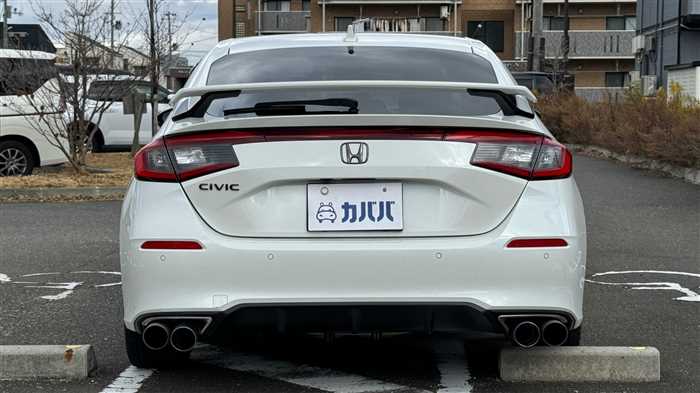
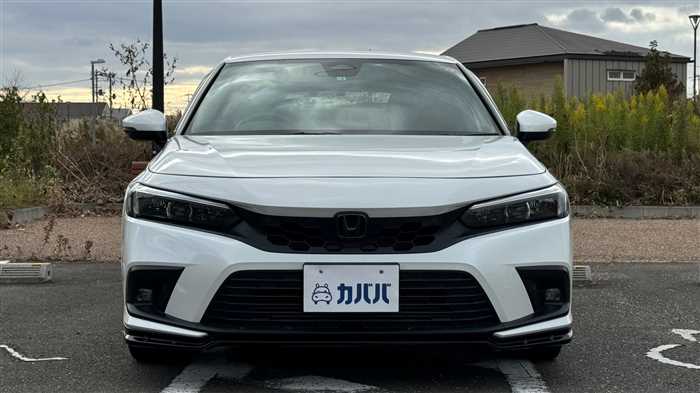
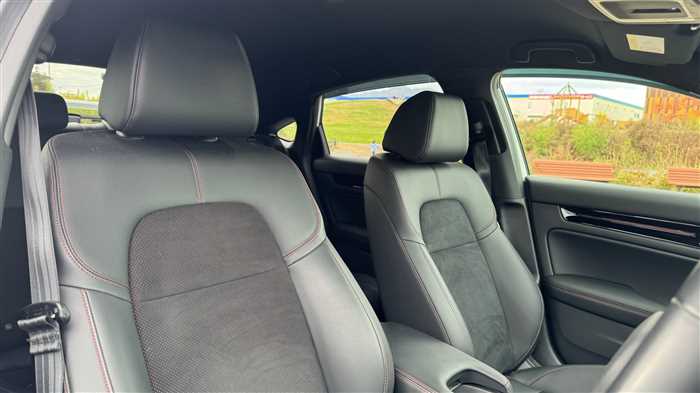
The 2022 HONDA CIVIC is a popular compact car with good fuel economy, modern safety tech (HONDA Sensing), and several engine/trim options. Before you hand over payment, follow this short checklist to confirm the trim and engine, verify the vehicle history, and spot issues that affect value and safety.
Before You Pay — Quick Pre-purchase Checklist
Bring the VIN and run a vehicle history report (Carfax, AutoCheck). Look for title brands (salvage, rebuilt, flood), accident severity, and odometer records.
Confirm ownership and title: the name on the title must match the seller and VIN must match paperwork. Avoid out-of-state title complications without proper transfer documents.
Get a Pre-Purchase Inspection (PPI): a qualified independent mechanic will check for frame damage, leaks, suspension issues, and hidden repairs. This is cheap insurance compared to repair bills.
Test drive focused checks: engine responsiveness, transmission shifting (or CVT behavior), brakes, steering alignment, wheel vibration, and any rattles. Test at varying speeds and road types.
Check electronics and conveniences: Apple CarPlay/Android Auto, climate controls, backup camera, adaptive cruise/LDW, and infotainment responsiveness.
Inspect tires, brakes, and battery age. Uneven tire wear can signal alignment or suspension problems.
How to Confirm Trim and Engine
The 2022 Civic came with multiple configurations — typically a naturally aspirated 2.0L and a 1.5L turbocharged engine in many markets, plus sport or Si performance variants. To confirm specifically which trim and engine you’re looking at:
Decode the VIN. The VIN contains manufacturer-specific codes for engine and transmission. Use an official Honda VIN decoder on a dealer website or third-party services. The VIN also reveals manufacturing details and options in many reports.
Ask for the Monroney (window) sticker or build sheet. This sticker lists the exact trim, package options, and engine. If the window sticker is unavailable, dealerships can often retrieve a build sheet from Honda with the VIN.
Check the engine bay: the emissions label or Info sticker typically lists engine displacement and engine code. Physical differences (intake plumbing, turbo plumbing, intercooler piping) will also help you identify a turbo vs. naturally aspirated motor.
Interior and exterior cues: trim-specific features (wheel designs, seats, badges, infotainment screen size, leather vs cloth, sunroof, and grille styling) point to the trim level. Compare to factory photos or the build sheet.
Ask for service records. Dealer service stamps will often reference the engine code and trim during maintenance; this is an extra confirmation layer.
What to Look for in the Vehicle History
A vehicle history report is an essential starting point but should be combined with visual inspection and a mechanic’s evaluation.
Title brands and salvage: If the Civic has any title brands (salvage, rebuilt, flood, junk), proceed only with full disclosure and an inspection — prices should reflect repair history and diminished resale value.
Accident records and severity: Minor accidents are common, but frame or structural repair, airbag deployment, or multiple severe accidents are red flags.
Odometer history: look for consistent mileage records. Large, unexplained jumps could indicate rollback or clerical errors.
Service and maintenance history: regular oil changes, timing belt/chain services, and recall repairs are good signs. A Civic with dealer service records is generally more reliable.
Ownership type and usage: rental/fleet or lease returns often have higher wear. One-owner, privately maintained cars usually command a premium.
Recall history: use the VIN on the NHTSA recall lookup or Honda’s recall portal to confirm open campaigns. Ensure required recall repairs are completed before purchase or negotiate accordingly.
Geographic history: registrations in coastal or salt-belt states can mean more corrosion risk—inspect underbody and wheel wells carefully.
Red Flags to Walk Away From (or Negotiate Heavily)
Repaired frame damage or evidence of major structural repair.
Flood damage or persistent interior moisture/odor.
Inconsistent VINs between title, door jamb, and VIN plate.
Unusual engine noises, burning smells, or heavy smoke on startup/test drive.
Dashboard warning lights that the seller can’t document or explain (especially airbag, ABS, or powertrain).
Price, Warranty, and Negotiation Tips
Check pricing guides (KBB, Edmunds) and local listings for comparable 2022 Civics with similar mileage and equipment. Use these to set your target price and walk-away number.
Check remaining factory warranty: 2022 models likely still have some of their 3-year/36,000-mile bumper-to-bumper and 5-year/60,000-mile powertrain coverage—confirm dates and mileage based on build month and current odometer.
Certified Pre-Owned (CPO) Hondas include extended warranties and inspections—consider the premium if you want added protection.
If problems are found in the PPI or history report, ask the seller to fix them or reduce the price accordingly. Obtain any agreements in writing.
Final Steps Before Payment
Verify VIN on all paperwork matches the car (dash, door jamb, title, bill of sale).
Confirm there are no liens on the title—get a lien release if necessary.
Obtain a written bill of sale with full VIN, odometer reading, sale price, and “as-is” condition if private sale; keep copies of all records.
Complete registration, title transfer, and tax paperwork promptly to avoid penalties.
Final thoughts
Buying a 2022 Honda Civic can be smooth if you follow a short, practical checklist: verify the VIN and build, confirm engine and trim with documentation and visual cues, run a thorough vehicle history check, perform a PPI, and verify title and warranty status. These steps protect you from hidden problems and help you negotiate a fair price.
FAQs
Q: How can I quickly confirm the engine type?
A: Use the VIN decoder and check the engine bay emissions sticker. The build/Monroney sticker or dealer will also confirm the engine and transmission.
Q: Is a CARFAX enough to buy a car?
A: CARFAX (or AutoCheck) is useful but not perfect. Combine it with a PPI, title check, and visual inspection. Some incidents may not be reported.
Q: Should I buy a 2022 Civic with an open recall?
A: Try to get the dealer to perform recall repairs before purchase, or reduce the price. Recalls are safety-related and should be completed at no cost to the owner.
Q: Is a Pre-Purchase Inspection necessary?
A: Yes—especially for used cars with accident history or high mileage. A mechanic will catch issues that a test drive and history report might miss.
Q: What if the VIN on the car doesn’t match the title?
A: Do not buy the car until the discrepancy is resolved. Mismatched VINs indicate clerical problems at best and possible theft or fraud at worst.
Good luck—inspect carefully, ask the right questions, and you’ll increase your chances of buying a reliable 2022 Honda Civic that suits your needs.
The 2018 Honda Civic Hybrid stands out as a notable contender in the realm of fuel-efficient vehicles, especially for urban environments. With its advanced hybrid technology, the Civic Hybrid combines...
The Honda Civic Shuttle 2017 has garnered attention for its combination of reliability and efficiency, making it a potential contender for Uganda’s diverse driving conditions. Renowned for its compact design...
As an experienced car inspector in Uganda, I’ve seen firsthand how important it is for potential buyers to understand their specific needs before making a purchase. In urban settings, city...
The Honda Civic Type R 2013 is a performance-oriented hatchback known for its robust engineering and dynamic handling. However, evaluating its suitability for Uganda’s diverse road conditions necessitates a careful...
Family owned dealership of new and pre-owned vehicles with several locations across the Uganda. Lowest prices and the best customer service guaranteed.
You're almost there, select at least one more to compare!
We use cookies to ensure that we give you the best experience on our website. If you continue to use this site we will assume that you are happy with it.
You can revoke your consent any time using the Revoke consent button.