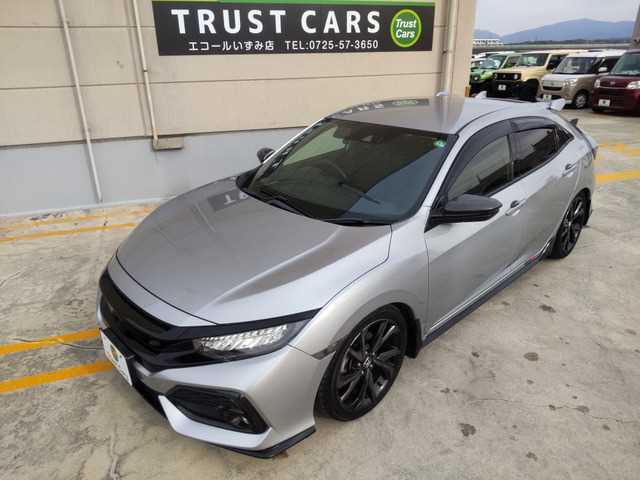
The 2018 HONDA CIVIC remains a popular, reliable compact car offering strong fuel economy, a comfortable interior and a range of trims to suit many buyers. Before you sign the papers, run through this practical checklist covering trims and engine choices, the key history checks you should perform, and the physical and test‑drive inspections that commonly reveal problems. Follow these steps and you’ll reduce risk and be better positioned to negotiate.
Which Trim and Body Style Is Right?
The 2018 Civic was offered in multiple body styles (sedan, coupe in some markets, and hatchback in select regions) and trims. Common trims include LX (base), Sport (or EX in some markets), EX/EX‑T (midrange), EX‑L (luxury), Touring (top), plus performance variants Si and Type R in some lineups. Choose by priorities:
LX/Base: Simple, reliable, best value if you want essentials and low cost of ownership.
EX / EX‑T / Sport: Adds convenience and tech (Apple CarPlay/Android Auto on later 2018 models), often uses the 1.5L turbo on the “T” or Sport badging.
EX‑L / Touring: Leather, upgraded audio/navigation, more comfort features—expect higher price and potential wear on luxury items.
Si / Type R: Performance oriented—tuned engines, stiffer suspension. If considering one, ensure you understand the history of spirited driving or track use.
Engines and Transmissions — What to Know
Most 2018 Civics come with either a naturally aspirated 2.0L four‑cylinder (smooth, linear power) or a 1.5L turbocharged four‑cylinder (higher torque at low RPM, better highway passing). The 2.0L is simple and predictable; the 1.5L turbo offers stronger midrange performance and usually better fuel economy when driven sensibly. Transmissions include CVT in many trims, a 6‑speed manual on sportier variants, and conventional automatics are rare. For CVT cars, pay attention to any slipping, hesitation or abnormal noise.
Essential History Checks Before You Visit
Get the VIN and run a vehicle history report (Carfax, AutoCheck). Look for accidents, title brands (salvage/rebuilt), odometer rollback flags, flood or fire damage, and the number of prior owners.
Check open recalls at NHTSA and HONDA’s recall lookup—confirm recall repairs were done.
Review maintenance records. Regular oil changes, transmission service (if performed), and scheduled maintenance increase confidence.
Verify the title is clean and that the seller is the registered owner. Be cautious of private sales where paperwork looks incomplete.
Physical Inspection Checklist
Inspect the car on a dry day in daylight. Bring a flashlight and your phone for photos. If you’re not comfortable, arrange a pre‑purchase inspection (PPI) with an independent mechanic—this small expense often saves thousands.
Exterior: Walk all four corners. Look for mismatched paint, uneven panel gaps, and overspray—signs of bodywork. Check headlights and lenses for moisture.
Tires & Wheels: Compare tread depth on all tires. Uneven wear suggests alignment or suspension problems. Inspect wheels for bends or curb damage.
Underbody: Look for rust, fresh undercoating (may hide repairs), fluid leaks, or pulled welds—evidence of impact repair.
Interior: Test all switches, infotainment, climate control, and seat adjustments. Smells like mildew or masking agents (air fresheners) can hide water damage or smoking.
Engine Bay: Check for clean, dry areas. Fresh paint in the bay, loose hoses, or odd wiring can indicate repairs. Look for oil leaks, coolant leaks, and a clean air filter.
Test‑Drive Protocol
Plan at least a 20–30 minute drive that includes city streets and highway speeds. Start cold and listen closely—many issues show up on a cold start.
Cold Start: Observe startup behavior—long cranking, smoking (blue = oil burn, white = coolant burn), or rough idle are warnings.
Acceleration: Test for smooth power delivery. Turbo engines should spool without loud whining or lag that feels abnormal. CVT cars should accelerate smoothly without surging or clanging noises.
Brakes: Brake from moderate speed and from higher speed. Feel for pull, vibration, or spongy pedal—indicators of alignment, warped rotors or air in the system.
Steering & Suspension: Drive over bumps—listen for clunks, rattles, or excessive bounce. On twisty roads, note body roll and steering response.
Transmission & Clutch: On manuals, ensure smooth shifts and no grinding. For CVTs, check for hesitation on sudden throttle and that the transmission returns to cruising RPM smoothly.
Accessories & Safety: Test backup camera, sensors, lane‑keep assist, adaptive cruise (if equipped), and airbags (no fault codes).
Diagnostics and Negotiation Tips
Use an OBD‑II scanner to check for stored fault codes and pending codes. Even if the check‑engine light is off, codes may be present. Ask for service receipts and proof that any recall work was completed. If you find issues, quantify repair costs before negotiating—get an estimate or have your mechanic advise on likely expenses. Clean maintenance history and a recent timing of common services (brake pads, tires, fluids) are bargaining advantages, while accident history or deferred maintenance should reduce price expectations.
Red Flags That Warrant Walking Away
Flood or severe fire damage in vehicle history.
Salvage or rebuilt title without a compelling price and full disclosure.
Severe rust on structural components or frame damage.
Transmission slipping, continuous misfire codes, or strong smoke from exhaust.
Seller unwilling to allow a PPI or provide VIN/records.
Final thoughts
A 2018 Honda Civic can be an excellent purchase when you choose the right trim and verify its history and mechanical condition. Prioritize a thorough history report, a methodical physical inspection and a measured test drive. If anything feels off, get an independent inspection and use findings to negotiate. With careful checks you’ll avoid common pitfalls and buy a Civic that offers years of dependable driving.
FAQs
1. Should I prefer the 2.0L or the 1.5L turbo?
Choose the 2.0L if you prioritize simplicity and predictable maintenance; choose the 1.5L turbo for stronger midrange power and better highway passing. Either is reliable when maintained; focus on service history.
2. Are there known major issues with the 2018 Civic?
The 2018 Civic is generally reliable. Check for any open recalls and typical wear items (brakes, tires). Watch for CVT behavior and verify regular oil changes—neglected maintenance causes most problems.
3. Is a pre‑purchase inspection necessary?
Yes—especially for private sales or high‑mileage cars. A professional mechanic will spot hidden issues you might miss and provide a repair estimate you can use in negotiations.
4. How much should I pay for a fair 2018 Civic?
Price depends on trim, mileage, condition, and region. Use online valuation tools (Kelley Blue Book, Edmunds) as a starting point and adjust for condition and service history. Always be prepared to walk away if the seller’s price doesn’t reflect known issues.
The 2018 Honda Civic Hybrid stands out as a notable contender in the realm of fuel-efficient vehicles, especially for urban environments. With its advanced hybrid technology, the Civic Hybrid combines...
The Honda Civic Shuttle 2017 has garnered attention for its combination of reliability and efficiency, making it a potential contender for Uganda’s diverse driving conditions. Renowned for its compact design...
As an experienced car inspector in Uganda, I’ve seen firsthand how important it is for potential buyers to understand their specific needs before making a purchase. In urban settings, city...
The Honda Civic Type R 2013 is a performance-oriented hatchback known for its robust engineering and dynamic handling. However, evaluating its suitability for Uganda’s diverse road conditions necessitates a careful...
Family owned dealership of new and pre-owned vehicles with several locations across the Uganda. Lowest prices and the best customer service guaranteed.
You're almost there, select at least one more to compare!
We use cookies to ensure that we give you the best experience on our website. If you continue to use this site we will assume that you are happy with it.
You can revoke your consent any time using the Revoke consent button.