


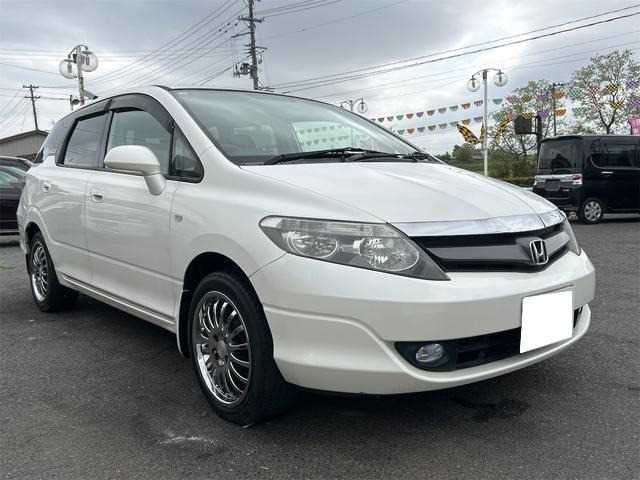
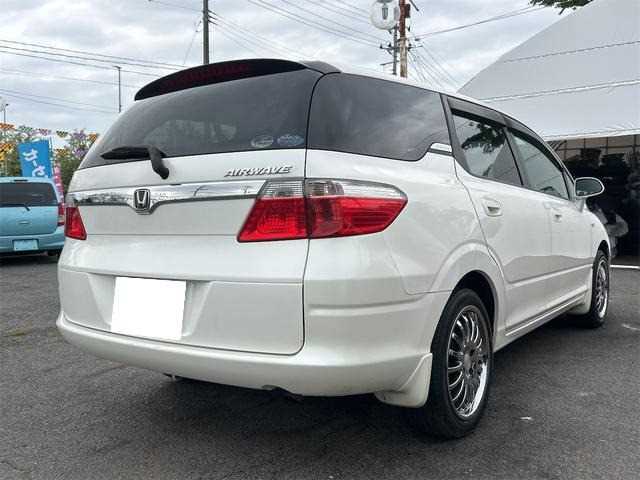
Importing a used 2008 HONDA AIRWAVE into Uganda can be a smart, cost‑effective choice. The Airwave is compact, fuel‑efficient, and commonly available in Japanese export markets. This guide walks you through what to buy, where to buy it, customs/clearance basics, expected costs, and common pitfalls to avoid.
Step 1 — Decide what to buy
- Model and trim: The 2008 HONDA Airwave comes with different engine sizes (1.3L–1.5L). Choose based on fuel economy vs performance needs.
- Right‑hand drive: Uganda drives on the left, so Japanese right‑hand drive vehicles are suitable.
- Condition: Decide whether you want a clean budget car, a near‑new example, or you will accept some cosmetic/low‑value mechanical work. Avoid salvage titles unless you are prepared for repairs.
- Document checklist: Confirm the seller can provide the original registration (logbook), bill of sale/invoice, export certificate, and photos of the vehicle and odometer.
Step 2 — Where to buy
- Japanese exporters and auction brokers: Popular sources include SBT Japan, BE FORWARD, USS auction brokers, and reputable local export agents. They usually provide inspection reports and export paperwork.
- Online marketplaces: Global platforms list many Airwaves — compare sellers, condition reports, and shipping options.
- Local brokers in Uganda: Some importers sell cars already cleared and registered in Uganda. This can simplify the process but often costs more.
- Tip: Use a seller with clear photos, a written inspection (or JEVIC/third‑party check), and good reviews. Ask for the chassis number (VIN) to verify history and export records.
Step 3 — Arrange shipping and transit
- Shipping modes: Ro‑Ro (roll‑on/roll‑off) is cheapest; container shipping is pricier but offers better protection. Typical routings go to Mombasa (Kenya) or Dar es Salaam (Tanzania), then by road to Uganda. Some liners deliver to Port Bell via Kampala inland ports.
- Freight forwarder: Hire a reliable freight forwarder experienced with East African imports. They arrange space, documentation, and inland transport to Kampala.
- Insurance: Buy marine/land transit insurance to cover shipping and overland haulage risks.
Step 4 — Customs clearance basics in Uganda
Clearance is handled by the Uganda Revenue Authority (URA). The key stages and documents:

- Required documents: Original bill of lading, commercial invoice or sale invoice, export certificate/registration document, packing list, proof of payment, and ID/passport of importer (or power of attorney if using an agent).
- Import declaration: A customs declaration must be lodged (usually by your clearing agent). Pre‑arrival processing speeds up clearance.
- Taxes & duties: Expect to pay customs duty, excise (if applicable), and VAT. These are typically calculated on the CIF (Cost + Insurance + Freight) value. Rates change, so check the URA tariff or consult your clearing agent for precise numbers. VAT in Uganda is commonly 18% applied to CIF + duty + excise.
- Inspection: Physical inspection may be required at the port or inland. Vehicles with incomplete documentation or suspect condition are subject to inspection delays.
Expected costs — ballpark figures
All numbers are estimates — obtain quotes for precision.
- Purchase price (2008 Honda Airwave): USD 1,500–6,000 depending on condition and options.
- Shipping to East Africa (Ro‑Ro to Mombasa): USD 600–1,200; container shipping typically higher.
- Inland transport Mombasa to Kampala: USD 600–1,200 depending on truck rates and security surcharges.
- Clearing & handling fees: USD 200–800 (agent fees, port handling, documentation).
- Taxes: Customs duty and excise vary by engine size and valuation method. VAT ~18% on taxable base. As an example only: on a CIF of USD 5,000, combined duties/excise could add USD 1,000–3,000 depending on applicable rates, plus VAT of ~USD 1,080 on the taxed value. Always confirm with URA or your clearing agent.
- Insurance, minor repairs, registration, and number plates: plan for an extra few hundred dollars.
Common pitfalls and how to avoid them
- Incomplete documentation — ensure the seller provides the original registration, export certificate, and a clear invoice. Without these, clearance will stall.
- Under‑quoting taxes — calculate taxes with your clearing agent before purchase to avoid unpleasant surprises.
- Buying salvage or unrepaired accident cars — insist on independent inspection reports and clear accident history.
- Delays and demurrage at port — arrange prompt inland haulage on arrival and clear documents early to avoid daily demurrage charges.
- Fraudulent sellers — use reputable brokers, read reviews, and use secure payment channels (escrow where available).
- Noncompliance with emissions or safety rules — check any local technical or age limits and prepare for required inspections in Uganda.
Simple step‑by‑step checklist
- Set a realistic budget including taxes and shipping.
- Find a reputable seller and request VIN, photos, and inspection report.
- Hire a freight forwarder and a licensed Ugandan clearing agent.
- Purchase and obtain all export documents.
- Arrange shipping and insurance.
- Track arrival, ensure pre‑arrival documentation is lodged with URA.
- Pay duties/taxes, clear the vehicle, arrange inland delivery to Kampala.
- Complete local registration and licensing with the relevant Ugandan authorities.
Final thoughts
Importing a 2008 Honda Airwave into Uganda can be straightforward if you plan carefully: choose a reliable seller, budget for shipping and realistic taxes, secure proper documentation, and work with experienced freight and clearing agents. Allow time for customs processing and expect a few unexpected costs. With due diligence you can enjoy a dependable, economical vehicle well suited to Ugandan roads.
FAQs
Q: Is a 2008 Honda Airwave allowed in Uganda?
A: Generally yes, but you must comply with Uganda’s import regulations, taxes, and any vehicle inspection/age rules in force at the time of import. Confirm current restrictions with URA.
Q: How long does clearance take?
A: Clearance time varies. If documents are complete and taxes paid, clearance can take days after arrival. Delays occur when inspections are needed or paperwork is missing.
Q: Should I import to Mombasa or Dar es Salaam?
A: Both are common. Mombasa is frequently used for Uganda via road transit; Dar es Salaam is an alternative depending on shipping schedules and cost. Choose based on freight quotes and transit reliability.
Q: Can I clear the car myself?
A: You can, but it’s complex. Most importers use licensed clearing agents to handle documentation, calculations of duties, and coordination with URA and port authorities.
Q: Where can I verify exact import duties?
A: Use the Uganda Revenue Authority (URA) tariff schedule or ask a licensed clearing agent for a duty estimate. Rates change, so verify before purchase.


