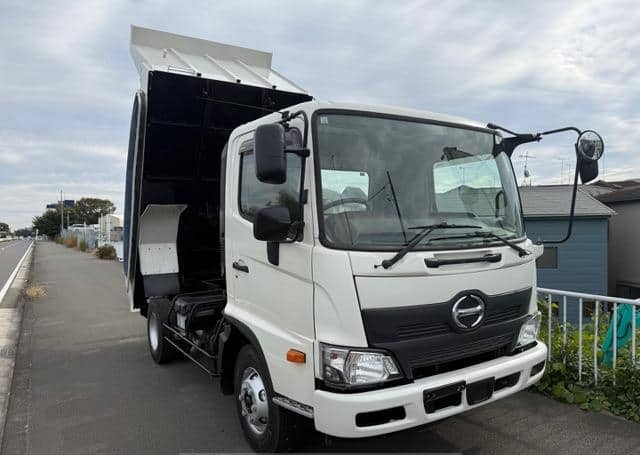
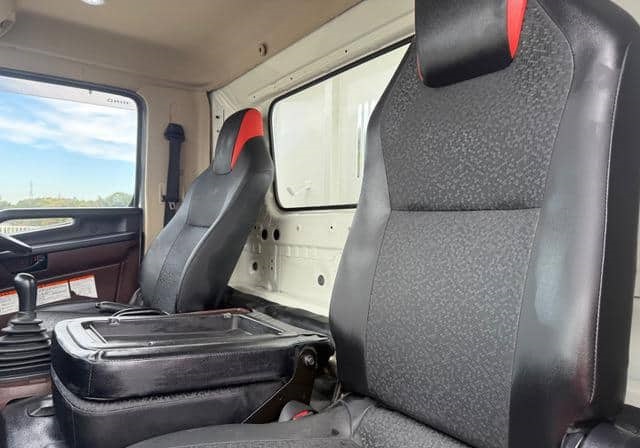
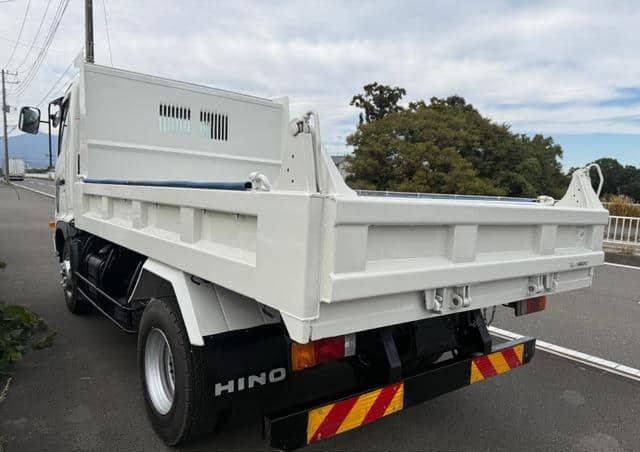
Importing a 2019 HINO RANGER into Uganda can be a smart move if you need a reliable commercial truck with modern features and good parts support. This guide breaks the process down into practical steps, clearance notes, where to buy, what to avoid, and helpful tips to make the import smooth and cost-effective. Always confirm current rules with the Uganda Revenue Authority (URA) and the relevant government agencies before you proceed.
1. Basics — planning, budget and requirements
Start with a clear budget that covers the purchase price, international shipping, port charges, customs duties and taxes, inland transport to Uganda, insurance, and any modifications or repairs. Typical taxes you should plan for include customs duty, excise duty (if applicable to the truck type), and VAT (Uganda’s VAT is generally 18% on dutiable value plus duties). Exact rates depend on tariff classification and the truck’s declared value — confirm with URA or a licensed customs agent.
Check Uganda’s vehicle import rules and any current age or emissions restrictions with URA and Ministry of Works and Transport.
Confirm that a 2019 HINO Ranger (right-hand drive) is compatible with Uganda’s road regulations — Uganda drives on the left, so RHD is normally correct.
Consider payload, gross vehicle weight (GVW), axle limits and local road restrictions before buying.
2. Where to buy a 2019 Hino Ranger
Common sources for Hino Rangers:
Japanese exporters and auction houses (e.g., USS, Aucnet) — Japan is a major source for used Hino trucks. Reputable exporters include BE FORWARD, SBT, and Car From Japan (look for commercial truck specialists).
Official Hino dealerships or certified used truck dealers in Japan, Europe, UAE or South Africa — these may offer trucks with service history and warranties.
Local or regional brokers who specialize in East African imports — they can help with logistics and compliance.
When choosing a seller, prefer those who provide full documentation (chassis number/VIN, service history, export certificate, recent inspection photos and video). Request a pre-purchase inspection report and, if possible, an independent mechanic’s review.
3. Step-by-step import process
Research and choose the vehicle. Verify VIN/chassis number, odometer, engine model, and confirm dimensions and weight.
Negotiate and agree terms. Decide FOB (port of loading) or CIF (cost, insurance, freight to chosen destination port). Always get an itemized pro forma invoice.
Arrange payment safely. Use escrow, trusted bank instruments or letters of credit for high-value purchases. Avoid full upfront payments to unknown sellers.
Obtain export documents. Bill of Lading, commercial invoice, export certificate/title, packing list, and any inspection certificate. Ask for service history and any warranties in writing.
Pre-shipment inspection. Have the truck inspected for mechanical condition and damage. Many buyers use third-party inspectors or the seller’s pre-delivery inspection (PDI) reports.
Shipping. Choose a port: for Uganda, most trucks arrive through the Port of Mombasa (Kenya) or Dar es Salaam (Tanzania). Decide route (road/rail transit) and carrier.
Customs clearance in port. Hire a licensed clearing & forwarding agent in the destination country to prepare customs entry, compute duties, pay taxes and arrange port release.
Transit to Uganda. If arriving in a foreign port, you’ll need transit documentation (transit bond) and inland transport to Uganda. Your clearing agent will advise on transit procedures.
Registration and compliance in Uganda. After customs clearance and payment of duties, register the vehicle and obtain local plates, roadworthiness certificates and any required inspections.
4. Clearance notes — documents and checks
Essential documents and checks commonly required by customs and local regulators:
Original Bill of Lading or Waybill.
Commercial invoice showing the seller, buyer and clear value.
Insurance certificate covering cargo during transit.
Vehicle service history and any emission or compliance certificates, if available.
Transit documents if arriving via another country (transit bond or TIR documentation where applicable).
Because procedures and required documents change over time, engage a licensed local customs clearing agent before the vehicle arrives. They can prepare an accurate tax/duties estimate and advise on any sector-specific permits.
5. What to avoid
Buying a truck without seeing a recent independent inspection or clear photos and VIN verification.
Relying on verbal promises — get warranties and commitments in writing.
Using unknown or unlicensed clearing agents or brokers — they may cause delays and fines.
Ignoring duty and tax estimates — unfunded surprises at the port are common for first-time importers.
Purchasing heavily modified or salvage vehicles without confirming whether Uganda will accept them for registration.
Skipping checks on spare parts availability and local service support for Hino Ranger variants.
6. Practical tips
Work with reputable exporters and ask for references from previous East African import clients.
Get a full cost breakdown (truck price + shipping + port charges + duties + inland transport + contingency).
Confirm axle load and dimension compliance for Ugandan roads — over-width or over-weight loads can attract extra permits.
Consider buying a slightly newer or low-mileage unit to reduce maintenance risk — a 2019 model is recent and usually attractive to buyers/resellers.
Keep a buffer of funds (10–20%) for unexpected charges, repairs or modifications after arrival.
Final thoughts
Importing a 2019 Hino Ranger into Uganda is fully achievable with careful planning, documentation and the right partners. The keys to success are: verify the truck thoroughly before purchase, budget realistically for shipping and taxes, use reputable exporters and licensed clearing agents, and ensure the vehicle meets local compliance standards. With these steps, you can bring in a reliable commercial truck that meets your operational needs.
FAQs
Q: How long does the import and clearance process take?
A: From purchase to delivery in Uganda typically takes 4–8 weeks depending on shipping schedules, pre-shipment inspections and how quickly customs formalities are completed. Delays at port or paperwork issues can extend this timeline.
Q: How much will customs duty and taxes be?
A: Exact duties depend on tariff classification and declared value. Expect to pay customs duty, potential excise duty (depending on truck use/type), and VAT (commonly 18%). Use a local customs agent to get a tailored estimate before purchase.
Q: Which port is best for importing into Uganda?
A: The Port of Mombasa (Kenya) is the most common gateway for vehicles bound for Uganda due to frequent sailings and established transit routes. Dar es Salaam (Tanzania) is another option. Choose the port with the best cost and transit logistics for your shipment.
Q: Can I clear the truck myself without an agent?
A: It is possible, but not recommended unless you have experience with international shipping and Uganda’s customs procedures. A licensed clearing & forwarding agent reduces risk, speeds up the process and helps calculate accurate duties.
Q: Are right-hand drive Hino Rangers acceptable in Uganda?
A: Yes — Uganda drives on the left, so right-hand drive vehicles are normally appropriate. Still confirm compliance with any specific local equipment or lighting requirements.
Q: Any legal age limits for used vehicles?
A: Regulations on vehicle age can change. While a 2019 model is recent, always confirm current age or emissions restrictions with URA and the Ministry of Works and Transport before buying.
If you want, I can draft a checklist for the exact documents to request from the seller, or help you find reputable exporters and clearing agents for Uganda.
The HINO RANGER 2021 has garnered attention in Uganda’s transportation sector, particularly for heavy-duty applications. Known for its robust construction, advanced engineering, and fuel efficiency, this vehicle is designed to...
The 2011 HINO RANGER (medium-duty HINO commercial truck series) is a workhorse designed for commercial use across light- and medium-duty tasks. This summary gives a concise, practical look at how...
The HINO RANGER 8 2016 model has garnered attention in Uganda’s transport sector for its reliability and performance in long-distance hauling. Engineered with a robust design, this truck boasts a...
As an experienced car inspector in Uganda, I often encounter various vehicles that cater to different needs, and the HINO RANGER 2014 is no exception. For city commuters, reliability and...
Family owned dealership of new and pre-owned vehicles with several locations across the Uganda. Lowest prices and the best customer service guaranteed.
You're almost there, select at least one more to compare!
We use cookies to ensure that we give you the best experience on our website. If you continue to use this site we will assume that you are happy with it.
You can revoke your consent any time using the Revoke consent button.