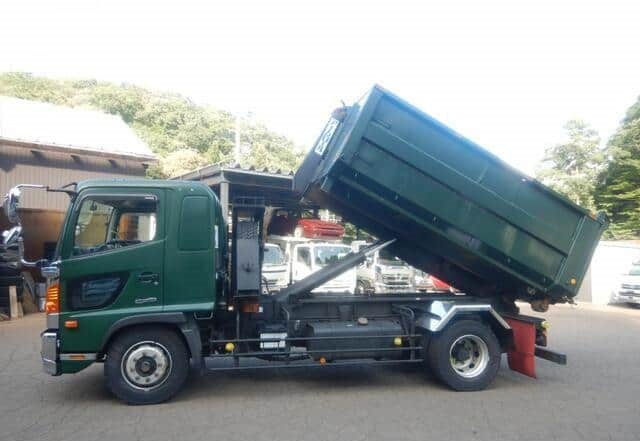
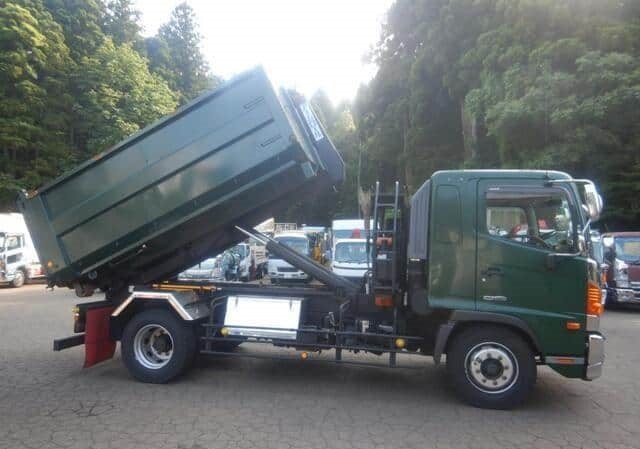
Below is a concise, practical pre‑purchase guide for a 2015 HINO RANGER (or similar medium‑duty HINO truck). Use it at inspections, on test drives, and when reviewing paperwork. Copy the quick checklist to a phone note for on‑site use.
Before You Arrive
Know the VIN and basic specs: model, GVWR, engine type, transmission, axle ratios, PTO or lift‑gate options.
Check recalls and service bulletins with the VIN (NHTSA and manufacturer sites).
Ask for service records and a maintenance history; request photos of underside and engine bay if seller has them.
Verify commercial usage: previous fleet, lease, or private use — commercial trucks often have different wear patterns.
Exterior & Body Inspection
Walk around with a flashlight: look for frame bends, welds, rust-through, or signs of a recent repair. Pay close attention to crossmembers and frame rails.
Check cab mounts and cab corners for stress cracks or separated seams.
Inspect doors, hinges, and seals for alignment and water intrusion.
Review paint consistency, filler evidence, mismatched panels, and overspray — these may indicate accident repairs.
Examine tires for even wear, matching sizes, and DOT dates. Check spare if present.
Underbody, Suspension & Brakes
Look for oil, coolant, or hydraulic fluid leaks. Note any wet spots and the fluid color/odor.
Inspect leaf springs, U‑bolts, shackles, and bushings for cracks, sagging, or excessive rust.
Check brake lines, ABS sensors, calipers, and drum/pad condition. Listen for grinding when braking test is performed.
Check wheel bearings for play and unusual noises when rotating wheels (if safe to do so).
Engine Bay & Powertrain
Look for signs of leaks around gaskets, oil pan, turbo lines, and valve covers.
Inspect belts and hoses for cracks, swelling, or soft spots. Check coolant level and condition (no heavy rust or milky appearance).
Verify presence and condition of emissions components: EGR, DPF, code lights related to these systems. Some models may have SCR/DEF — confirm tank and lines.
Check transmission fluid level and smell (if dipstick provided); note any strong burnt smell or metal particles.
Cab, Controls & Comfort
Test HVAC: heating and A/C should work reliably. In commercial trucks, A/C compressors can be expensive to replace.
Operate all lights, wipers, horn, gauges, and dash indicators. Note any warning lights on startup or during test drive.
Test seats, seat belts, mirrors, and any sleeper or storage features. Check for water stains or mold that suggest leaks.
Inspect instrument cluster for tampering; compare odometer reading with service records and title.
On the Test Drive
Cold start: listen for unusual noises at startup (tapping, knocking). Diesel engines may sound rough but should not knock or smoke heavily.
Idle: smooth rpm, no large variations, no heavy blue/black/white smoke. Note startup smoke vs smoke under load.
Acceleration and load: test under light and moderate load if possible. Watch turbo lag, power delivery, and transmission shifts.
Shifting (manual or automatic): clutch engagement point, smooth gear changes, no grinding or slipping.
Steering and suspension: check for pulling, wandering, vibration, or clunking over bumps.
Brake test: check for fade, vibration, ABS activation, and consistent stopping distance. Note any pulling to one side.
Attachments, PTOs & Specialty Equipment
Test operation of PTOs, lift gates, cranes, and hydraulic systems. Look for slow response, leaks, or noisy pumps.
Confirm wiring and controls are intact and functional. Ask about service history for any installed equipment.
Verify that any bed, body, or equipment modifications meet your intended use and local regulations.
Paperwork & Title Checks
Verify title status (clean, salvage, rebuilt) and that the VIN on the vehicle matches paperwork.
Request a lien search and ensure there are no outstanding loans or undisclosed liens.
Obtain a signed bill of sale that includes VIN, odometer reading, sale price, and any “as‑is” language if applicable.
Ask for service records, DOT inspection records, registration history, and any emission compliance papers.
Check for open recalls and whether recall repairs were completed.
Final Steps & Recommendations
Get a professional inspection: a certified diesel mechanic or truck shop should perform a pre‑purchase inspection, including compression/test bench or scanner diagnostics.
Negotiate based on documented issues; costly items include engine overhaul, transmission rebuild, frame repair, and major hydraulic/electrical fixes.
Consider warranty or service contract options for used commercial trucks if available.
Confirm insurance cost and registration requirements for commercial use in your region.
Quick Checklist — Copy to Phone Note for On‑Site Use
Buying a used 2015 HINO Ranger or a similar medium‑duty Hino truck requires focused inspection, a careful test drive, and thorough paperwork review. Prioritize frame integrity, powertrain health, brake and suspension condition, and the proper functioning of any hydraulic or PTO systems. Always verify the title and liens, review maintenance history, and have a qualified mechanic perform a pre‑purchase inspection. A disciplined on‑site checklist (copy it to your phone) will help you avoid costly surprises and negotiate confidently.
FAQs
Q: Should I expect higher maintenance costs for a 2015 HINO Ranger?
A: Medium‑duty trucks typically have higher maintenance costs than light trucks due to heavier use, more complex drivetrains, and specialized equipment. Costs depend on prior maintenance and how the truck was used. A well‑maintained unit can be reliable and economical.
Q: Do Hino trucks use DEF/DPF systems that require special attention?
A: Many diesel trucks from this period have emissions components such as EGR, DPF, and in some markets SCR/DEF. These systems require proper maintenance and occasional servicing; check for dash codes and DEF tank condition where applicable.
Q: How important is a professional inspection?
A: Very important. A professional inspection will catch frame issues, engine/compression problems, hidden leaks, and electrical faults that are easy to miss during a quick walk‑around.
Q: Can I buy a commercially used Hino for personal use?
A: Yes, but be aware of registration, insurance, and GVWR restrictions. Commercial vehicles may have different configurations that affect licensing and operational costs.
Q: What red flags should make me walk away?
A: Major frame damage or repairs, consistent heavy smoke from the engine, ticking knocking noises, evidence of odometer tampering, undisclosed salvage title, or significant hydraulic/electrical failures that would be expensive to repair.
The HINO RANGER 2021 has garnered attention in Uganda’s transportation sector, particularly for heavy-duty applications. Known for its robust construction, advanced engineering, and fuel efficiency, this vehicle is designed to...
The 2011 HINO RANGER (medium-duty HINO commercial truck series) is a workhorse designed for commercial use across light- and medium-duty tasks. This summary gives a concise, practical look at how...
The HINO RANGER 8 2016 model has garnered attention in Uganda’s transport sector for its reliability and performance in long-distance hauling. Engineered with a robust design, this truck boasts a...
As an experienced car inspector in Uganda, I often encounter various vehicles that cater to different needs, and the HINO RANGER 2014 is no exception. For city commuters, reliability and...
Family owned dealership of new and pre-owned vehicles with several locations across the Uganda. Lowest prices and the best customer service guaranteed.
You're almost there, select at least one more to compare!
We use cookies to ensure that we give you the best experience on our website. If you continue to use this site we will assume that you are happy with it.
You can revoke your consent any time using the Revoke consent button.