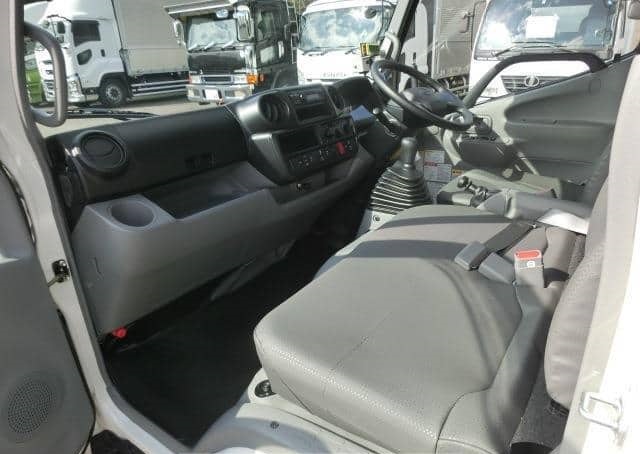
Use this checklist at hand while you inspect, photograph and test‑drive the truck. It is structured into paperwork, physical inspection, test‑drive checks, mileage/fuel questions, and suggested questions to ask the dealer. Photograph each item where possible and keep notes for comparison later.
1. Paperwork to Verify
Before you start any physical checks, confirm the documentation. Missing or incorrect paperwork can lead to legal or maintenance problems later.
Title/Registration: Confirm the vehicle title and registration match the VIN, owner name, and address.
Bill of Sale / Invoice: Obtain a sales invoice that shows purchase price, taxes, and dealer details.
Service History: Full service records, scheduled maintenance stamps, and receipts. Look for regular oil changes, timing-belt/chain services and major repairs.
Warranty Documents: Factory warranty, any dealer/extended warranties, and transferability terms.
Recalls & Emissions: Ask for recall completion records and any emissions compliance certificates. Check whether DEF/AdBlue systems are serviced (if applicable).
Vehicle History Report: A clean report (no flood, salvage, or major accident) is ideal—request a VIN check report.
Owner Manual & Accessories: Ensure the owner manual, spare key(s), and any accessory documentation (PTO instructions, body conversions) are provided.
2. Physical Inspection Checklist
Walk the truck from front to back. Photograph VIN plates, engine bay, suspension mounts, and any damage. Use a flashlight and inspect under the body if possible.
VIN & Chassis Numbers: Verify VIN on the dashboard/door post matches the chassis plate and paperwork.
Exterior Body & Paint: Look for mismatched paint, dents, welding marks, or filler—signs of repair after an accident.
Rust & Corrosion: Inspect frame rails, crossmembers, cargo bed mounts, wheel arches and underside for structural rust or perforation.
Suspension & Mounts: Check leaf springs, shackles, bushings and shock absorbers for wear or leaks. Look for sagging or uneven ride height.
Tires & Wheels: Measure tread depth, check for uneven wear (alignment or suspension issues), verify matching sizes, and inspect the spare wheel.
Brakes & Lines: Look for brake line leaks, pad wear visible through wheels, and rusted components. Test the parking brake mechanism visually.
Engine Bay: Check for oil leaks, coolant leaks, cracked hoses, belt condition, and cleanliness. Photograph major tags and emissions labels.
Exhaust & Emissions Equipment: Inspect exhaust for leaks, excessive rust, and integrity of any after-treatment systems (e.g., DEF/AdBlue piping).
Lights & Electrical: Test headlights, indicators, brake lights, interior lights and dash illumination. Look for water ingress in lighting housings.
Cab Interior: Check seat mounts, seat belts, instrument cluster (odometer), HVAC, horn, mirrors, windows, and any body customization points.
Body & Mounting (If Tray/Box): Inspect cargo body, tie-down points, hinges, tailboard, locks and any crane/PTO installations for secure mounting and wear.
3. Test‑Drive Checks
Drive both empty and—if possible—loaded to evaluate real-world behavior. Focus on drivability, braking, and noise.
Starting & Idle: Cold start behavior, excessive cranking, rough idle or smoke on start are red flags.
Transmission/Clutch: Smooth gear changes for manual or automatic. Check clutch engagement point, slipping or grinding. For automatic, watch for hard shifts, delays or slipping.
Engine Performance: Listen for knocking, tapping or turbo whistle. Check power delivery throughout the rev range and acceleration under load.
Steering & Alignment: Note play in the steering wheel, pulling to one side, and road wander. Test bump response for knocks or clunks.
Braking: Test for straight braking, pedal firmness, unusual noises or vibration (warped rotors). Test parking brake holding ability on a slope.
Vibrations & Noises: Identify drivetrain vibrations, wheel bearing noise, differential whine or any unusual sounds.
Heat & Gauges: Monitor engine temperature, oil pressure and warning lights during the drive. Any amber/red warnings require explanation.
Low-Speed Maneuvers: Test tight turns, reverse camera (if fitted), sensors and visibility from the cab.
Load Test: If safe and allowed, test with a representative load to assess suspension, braking and transmission under working conditions.
4. Mileage & Fuel Questions
Fuel and mileage data for commercial vehicles depend heavily on load, route and driving style. Ask these targeted questions:
Current Odometer Reading: Verify against service records. Investigate any gaps or inconsistencies.
Average Fuel Consumption: Ask for typical L/100km or mpg figures while unloaded and when carrying full payload on similar routes.
Fuel Type & Tank Size: Confirm diesel specification, tank capacity and approximate driving range.
After‑Treatment/DEF: Check if the truck uses DEF/AdBlue or other systems—ask how often it needs refilling and whether there are any sensor issues.
Recent Fuel System Work: Any injector, turbo, or fuel-pump replacements—important for modern diesel engines.
Idle Fuel Use & PTO: If the vehicle runs a PTO or idles for refrigeration/cranes, ask about recorded idle hours and fuel impact.
5. Suggested Questions to Ask the Dealer
Clear, direct questions help reveal the truck’s background and any dealer-provided promises.
Has the truck been in any accidents? Are there repair invoices and structural repair records?
Is the VIN/engine number original and free of tampering? Has the truck ever been re-bodied or had major chassis work?
Can you provide a full service/service-log book and receipts for major items (timing, coolant system, turbo, etc.)?
Are there any open recalls or outstanding campaigns? Has the work been completed?
What warranty remains, and what does the warranty cover (powertrain, emissions, cab, body)? Can it be extended or transferred?
Has the truck been used in fleet/rental service, or by a single owner? What type of work was it used for?
Are any accessories included (toolboxes, spare wheel, crane/PTO, canopy) and are they OEM or aftermarket?
Can I take the truck to an independent mechanic for a pre-purchase inspection?
Final thoughts
Buying a HINO DUTRO 3T (2024) is an investment in productivity. Use this checklist to structure a thorough inspection, document everything with photos, and ask pointed questions that reveal the vehicle’s history and condition. Prioritize structural integrity, service history, drivetrain condition and clear paperwork. When in doubt, have an impartial mechanic or truck specialist inspect the vehicle before purchase—this step often pays for itself by identifying hidden problems.
FAQs
Q: How important is the service history?
A: Extremely. Regular, documented maintenance is the best predictor of future reliability and can indicate how the vehicle was treated by previous owners.
Q: Should I be worried about visible surface rust?
A: Surface rust on non-structural panels is common. Focus on frame rails, crossmembers, suspension mounts and body mounting points—structural corrosion is a critical concern.
Q: Can I rely on the dealer’s inspection alone?
A: A dealer inspection is useful, but an independent pre-purchase inspection by a truck technician provides unbiased evaluation and can uncover issues the dealer may miss.
Q: What if the truck shows a check-engine light?
A: Don’t buy unless you get a clear diagnosis and repair estimate. Use a diagnostic scan to read fault codes—some faults are minor, others indicate costly repairs.
Q: Is a test drive necessary?
A: Yes. A test drive reveals how the truck performs under real conditions—engine response, braking, steering, and transmission behavior are best assessed on the road.
The HINO DUTRO 2009 is increasingly recognized for its potential fuel efficiency, particularly in the context of Uganda’s diverse transport needs. As businesses and entrepreneurs seek reliable vehicles for long-distance...
Copy / paste this form into your DMS or print it. Use as-is for pre-delivery inspections, paperwork verification, test drives, mileage handling, and buyer Q&A. Vehicle Identification VIN Model /...
As an experienced car inspector in Uganda, I’ve witnessed firsthand the diverse needs of vehicle buyers across the country, particularly when it comes to choosing the right model for specific...
The HINO DUTRO 24AT 2006 model presents a unique blend of versatility and durability, making it a notable option for long-distance travel in Uganda. Known for its robust build and...
Family owned dealership of new and pre-owned vehicles with several locations across the Uganda. Lowest prices and the best customer service guaranteed.
You're almost there, select at least one more to compare!
We use cookies to ensure that we give you the best experience on our website. If you continue to use this site we will assume that you are happy with it.
You can revoke your consent any time using the Revoke consent button.