


Buying a used 2017 FORD RANGER diesel with an automatic gearbox can be a great choice for towing, work, or daily driving — but you need a focused checklist to avoid costly surprises. Below is a structured guide covering trims, engines and drivetrains, paperwork, physical inspection, test-drive steps, red flags, negotiation tips, a short conclusion, and FAQs.
1. Know the trims and common equipment
The 2017 Ranger was offered in multiple trims depending on market (examples include XL, XLS, XLT and Wildtrak). Higher trims typically include:
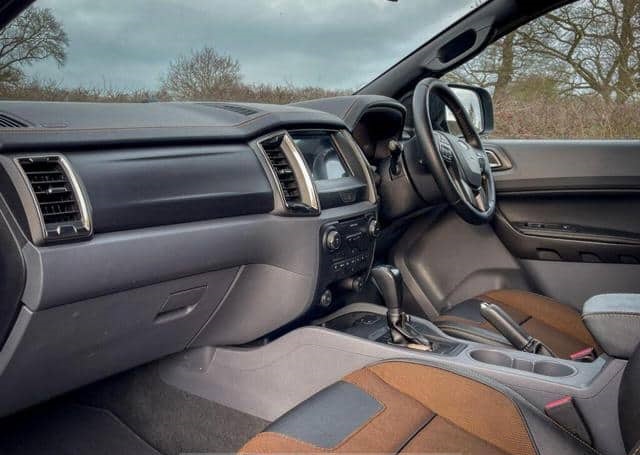
- Wildtrak: sportier styling, upgraded infotainment, leather/trim upgrades, often 4×4 and advanced safety features.
- XLT/XLS: comfort options, alloy wheels, cruise control, better audio options.
- XL: base work-oriented spec, simpler interior, fewer electronics.
When comparing vehicles, note whether the model is single-cab, extra-cab or double-cab, and whether it’s fitted with factory options (tow package, diff locks, bed liners) or heavy aftermarket modifications.
2. Engines, transmissions and drivetrain to expect
Typical diesel engines in the 2017 Ranger include a smaller 2.2L Duratorq four-cylinder and the larger 3.2L five-cylinder diesel in markets outside North America. Common traits:
- 2.2L: more fuel-efficient, lower purchase cost, adequate for light duty and moderate towing.
- 3.2L: stronger torque for heavy towing and carrying; usually fitted to higher trims.
- Automatic transmissions: most automatics are 6-speed units. Confirm smooth upshifts and no slipping.
- Drivetrain: rear-wheel drive on base models; part-time 4×4 with low-range transfer case on 4×4 versions. Some models may have electronic locking diffs or limited-slip diffs.
Always verify the exact engine and transmission code for your local market — specs can vary by country.

3. History and documents to obtain
- Full service history and receipts — check for regular oil and transmission-service intervals.
- VIN and registration papers — run a vehicle history report for accidents, salvaged title, odometer rollback, or flood damage.
- Previous ownership and usage (fleet, rental, private) — fleet use often implies high mileage and harder use.
- Recall and safety checks — verify outstanding recalls have been completed.
- Emissions and inspection certificates (MOT, WOF, etc.) depending on your country.
4. Physical inspection checklist (walkaround)
- Bodywork: look for mismatched paint, overspray, uneven panel gaps (indicators of accident repair).
- Rust: pay close attention to chassis rails, subframe, wheel arches, door bottoms and tailgate hinges. Pickup trucks often suffer hidden underside corrosion.
- Underbody and suspension: inspect for bent components, oil/diesel leaks, damaged or sagging springs, and worn shock absorbers.
- Tires and wheels: check even tire wear (uneven wear may mean alignment or suspension issues) and for oversized tires on modified trucks.
- Engine bay: look for oil or coolant leaks, condition of hoses and belts, and cleanliness (too clean can mask leaks).
- Interior: test all electrics (windows, locks, infotainment, A/C, heated seats), check for excessive wear, and smell for damp/mold (flooding).
- Under tray and bed: check for heavy bed wear, welding repairs, and aftermarket wiring for lights or winches.
5. Test-drive checklist (step-by-step)
- Cold start: listen for excessive clatter, smoke color (white/blue/black), and long crank times. Diesel knock is normal but loud knocking or grinding is not.
- Idle: smoothness and stability; note exhaust smoke at idle.
- Acceleration: test full-throttle acceleration to check turbo response and power delivery. Watch for lag, hesitation, or black smoke under load.
- Transmission: check for firm, consistent upshifts and downshifts; no slipping or delayed engagement. On automatics, note any harsh or jerky shifts.
- Brakes: firm pedal, no vibrations or pulling; test emergency stops at safe speed.
- Steering and alignment: check for play, wandering or vibration at speed.
- 4×4 engagement: if fitted, test engagement into 4H and (if safe) 4L; listen for unusual noises from transfer case/differentials.
- Accessories: test cruise control, cameras, parking sensors, and all interior controls.
6. Red flags to watch for
- Inconsistent or missing service records, especially for oil and transmission services.
- Leaks: coolant in oil (milky residue), excessive oil consumption, and visible turbo oil leaks.
- Excessive smoke on start or acceleration (blue = oil burning, white = coolant leak, black = overfueling or injector issues).
- Transmission slipping, delayed engagement, or burnt-smelling transmission fluid.
- Structural rust on chassis or suspension mounting points — potentially deal-ending for load-carrying safety.
- Aftermarket modifications (lift kits, oversized tyres, ECU tunes) without paperwork — may affect drivability and resale value.
- Salvage/rebuilt or flood-damaged titles on vehicle history reports.
7. Negotiation tips and next steps
- Get a pre-purchase inspection from a diesel/truck specialist — a small fee often saves thousands.
- Use documented defects (service gaps, worn suspension, repairs needed) as leverage to reduce price or demand repair before purchase.
- Compare local market listings to set a fair offer range; bring printouts or screenshots to negotiations.
- Ask for a short price reduction in exchange for handling minor repairs yourself — get written agreement on any repairs the seller promises to do.
- Insist on a VIN check and clear title before transferring money. Consider escrow or bank transfer for safety on larger deals.
- If buying from a dealer, ask about remaining warranty coverage or extended warranty options for the diesel engine and automatic transmission.
Final thoughts
Buying a 2017 FORD Ranger automatic diesel can be a dependable choice if you follow a structured process: understand trims and engine options, verify paperwork, do a thorough physical and test-drive inspection, watch for key red flags, and negotiate from a position of knowledge. Prioritize a professional pre-purchase inspection and always verify the vehicle history and service evidence before completing the sale.
FAQs
Q: Which engine is best — 2.2 or 3.2?
A: The 3.2L gives stronger torque for towing and heavy loads; the 2.2L is more economical for lighter duties. Choose based on expected usage and confirm the transmission’s history.
Q: How important is a transmission service on a Ranger automatic?
A: Very important. Regular transmission fluid and filter changes help prolong the automatic unit’s life. Lack of service can lead to costly repairs.

Q: Should I be worried about turbo problems?
A: Turbo wear is a common diesel issue. Watch for oil leaks, smoke under acceleration, and reduced power. A specialist can assess turbo health during an inspection.
Q: Is rust a major concern on these trucks?
A: Yes — particularly on the chassis, suspension mounts and underbody. Extensive rust on structural parts can be expensive and unsafe to repair.
Q: Is it worth getting a professional pre-purchase inspection?
A: Absolutely. A diesel and transmission specialist will identify issues that are hard to spot on a casual inspection and provide leverage for negotiation.


