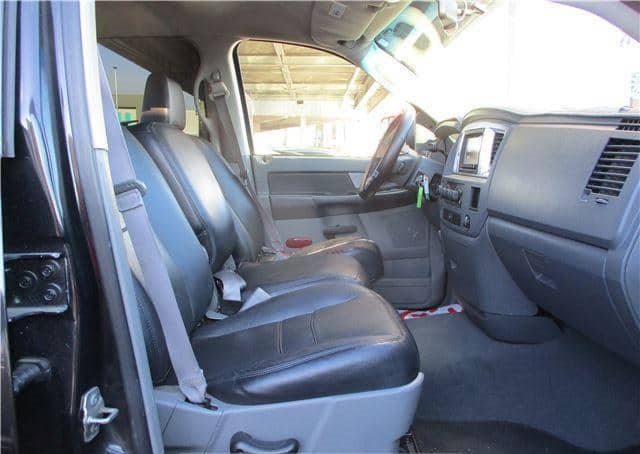
Keeping a 2012 DODGE RAM dependable is mostly about using the right tyres and fluids, staying on top of routine maintenance, and adding a few targeted upgrades if you tow, haul, or go off-road.
Below are practical, model‑agnostic recommendations you can act on today and a short checklist to follow. If you tell me your exact model (1500 vs 2500/3500), engine (3.6 / 4.7 / 5.7 HEMI / 6.7 diesel), wheel size and typical use (daily / towing / off‑road), I can make the list more specific.
1. Tyres — the single biggest daily reliability factor
Tyres control traction, braking, ride quality and load capacity. Pick tyres first, then worry about upgrades.
Load rating: Always use tyres with a load index equal to or greater than the factory specification; under‑rated tyres will wear fast and can fail under load.
Type: For daily driving, a highway/all‑season tyre gives the best longevity and comfort. If you tow or go off‑road, consider light truck all‑terrain tyres with the correct load rating.
Wheel size & sidewall: Larger wheels and low‑profile tyres look good but reduce sidewall protection and ride comfort. If you use the truck hard, prefer smaller wheels with taller sidewalls for durability.
Pressure & rotation: Use cold pressures recommended for your load; check weekly if towing or hauling. Rotate every 6,000–8,000 miles and inspect for uneven wear (alignment needed if wear patterns appear).
2. Fluids — use the right fluids and change them on time
Correct, clean fluids preserve components and prevent costly failures. Always reference the owner’s manual for approved fluid specifications, but follow these rules of thumb:
Engine oil: Use OEM‑specified viscosity and quality. For modern HEMI engines and diesels, high‑quality synthetic oil is recommended — it resists heat and shear better. Change intervals: typically 5,000–7,500 miles for heavy use; 7,500–10,000 miles for light use with synthetic oil (follow your manual).
Transmission fluid: Automatic transmissions are sensitive — use factory‑approved ATF and service the fluid and filter at intervals the manual recommends, sooner if towing heavily.
Transfer case & differentials: Check and change gear oil per schedule; use GL‑5 gear oil or synthetic gear fluids where specified, especially if you tow/haul.
Coolant & cooling system: Flush at recommended intervals, inspect hoses, belts, and the radiator. Overheating is a common cause of engine damage under load.
Brake & power steering fluids: Replace brake fluid every 2 years (absorbs moisture). Top and inspect power steering fluid and steering components regularly.
Fuel and air filters: Replace the engine air filter and fuel filter on schedule. Diesels may have additional filters (water separators) — keep them clean.
3. Routine maintenance that protects longevity
Brakes: Inspect pads, rotors and calipers annually or every 12,000 miles. Replace before they seize or warp.
Suspension & steering: Check shocks, control arm bushings, ball joints and tie rods. Replace worn items promptly to avoid cascading damage.
Electrical & battery: Test battery and charging system, clean terminals, and replace a weak battery before it fails.
Rust prevention: Underbody wash and treat the frame in areas with road salt. Corrosion kills trucks long before engines wear out in many climates.
Exhaust & emissions: Monitor exhaust leaks and mounts; repair promptly to avoid heat or corrosion damage to nearby components.
4. Targeted upgrades — only if you need them
A few strategic upgrades improve reliability when you regularly tow, haul, or run off‑road.
If you tow: Add a heavy‑duty transmission cooler, a quality trailer brake controller, upgraded rear springs or helper springs/airbags for sag prevention, and a correctly rated hitch and wiring harness. Consider a high‑capacity radiator if you tow in hot climates.
If you haul regularly: Use spring or air helper systems, fit a bed liner and secure cargo properly to avoid body/frame damage, and ensure tyres and brakes are rated for the load.
If you go off‑road: Fit all‑terrain tyres with tougher sidewalls, add skid plates for the oil pan and transmission, install recovery points, and upgrade shocks for greater travel. Keep winch capacity and recovery gear appropriate for your truck’s weight.
Use caution with tuners: Performance tuners can increase towing/hauling capability but often increase stress and heat — if you choose a tuner, pair it with stronger cooling and a conservative tune designed for reliability.
5. Quick, actionable checklist
Weekly: Check tyre pressure and visual condition; inspect for leaks.
Every oil change (5k–10k miles): Change oil & filter, inspect air & fuel filters, check belts/hoses.
Every 12k–24k miles: Rotate tyres, inspect brakes, check suspension and steering components.
Every 30k–60k miles: Replace transmission fluid/filter (or per manual), flush coolant, inspect differential/transfer case fluids.
Annually: Battery test, brake fluid flush every 2 years, underbody inspection for rust, alignment check.
Final thoughts
A 2012 DODGE Ram will run dependably for many miles if you focus on the basics: correct tyres with the right load rating and pressure, OEM‑specified fluids changed on schedule, and timely replacement of wear items. Add only those upgrades that directly support how you use the truck — cooling and transmission protection for towing, stronger springs for hauling, and tyres/protection for off‑road work. Share your exact model, engine, wheel size and primary use and I’ll tailor these recommendations with exact tyre sizes, fluid specs and upgrade part suggestions.
FAQs
Q: How often should I change the oil in a 2012 Ram?
A: Follow the owner’s manual. A practical rule is every 5,000–7,500 miles under heavy or towing use, and 7,500–10,000 miles with full‑synthetic for normal driving. Use the recommended viscosity and spec.
Q: Can I run larger tyres or wheels?
A: You can, but larger wheels with low‑profile tyres reduce ride comfort and sidewall protection. Any change must keep the correct load rating and maintain overall diameter close to stock to avoid gear speedometer and drivetrain issues.
Q: Is a transmission cooler necessary?
A: If you tow frequently or in hilly/hot conditions, a transmission cooler is a low‑cost reliability upgrade that reduces fluid temperatures and extends transmission life.
Q: Diesel‑specific concerns?
A: Diesels require attention to fuel filters, water separators, and (depending on model/year) emissions fluids like DEF. Use manufacturer‑approved oils and check turbo and EGR systems for carbon buildup on high‑mileage units.
Q: What’s the one thing to do right now?
A: Check your tyres for correct load rating and pressure, confirm your next oil change interval, and replace any badly worn brake or suspension parts. That trio prevents most near‑term failures.
A concise, practical guide to upgrades and routine care that help keep a 2018 DODGE RAM (1500/2500/3500) dependable. If you want model- or engine-specific (3.6L Pentastar, 5.7 HEMI, EcoDiesel, Cummins)...
The 2012 DODGE RAM (Ram 1500) remains a popular used-truck choice because it balances capability with a comfortable interior and a range of configurations. Choosing the right setup for comfort,...
As an experienced car inspector in Uganda, I’ve seen a wide range of vehicles and their suitability for our diverse terrains. The 2018 Dodge Ram, known for its strength and...
This concise, practical guide gives you checklists and an example budget + financing math you can use right away. If you want numbers tailored to the exact Ram model (1500/2500/3500,...
Family owned dealership of new and pre-owned vehicles with several locations across the Uganda. Lowest prices and the best customer service guaranteed.
You're almost there, select at least one more to compare!
We use cookies to ensure that we give you the best experience on our website. If you continue to use this site we will assume that you are happy with it.
You can revoke your consent any time using the Revoke consent button.