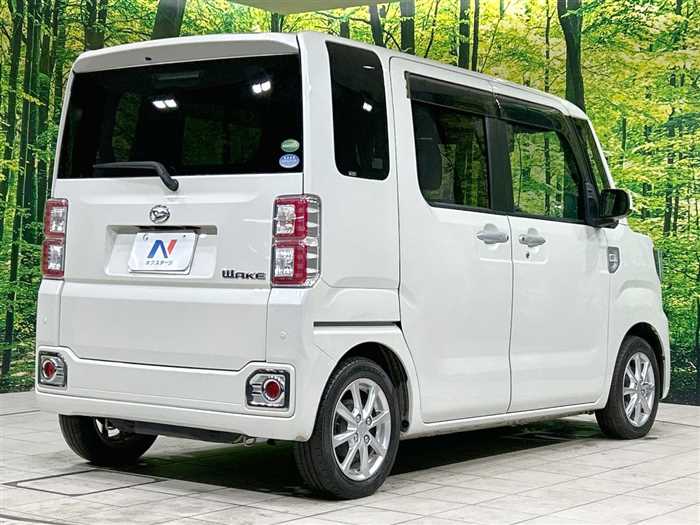
Practical, concise advice from owners about what’s good, what to watch out for, and how to buy and live with a DAIHATSU WAKE. Focus is on 2014–present models with attention to 2019 examples and typical real‑world ownership experience.
Quick overview
The DAIHATSU Wake is a tall, boxy kei car introduced in 2014 and marketed for its exceptional interior volume for the kei class. It’s available with the usual 660cc kei engines (naturally aspirated and sometimes turbocharged in sportier trims), paired with a CVT and optional 4WD. The Wake stands out for cabin space, visibility, and flexible loading capability—things that owners frequently praise.

What owners typically like
- Interior space and practicality: The Wake’s tall roof and square packaging make it feel much larger inside than most kei cars. Rear seats fold to create a flat or nearly‑flat load area, and the high roof allows for taller cargo or comfortable headroom for adults.
- Visibility and driving position: Many owners highlight excellent outward visibility and a high seating position that makes city driving and parking easier.
- Flexible cargo capability: Owners use the Wake for everything from urban shopping runs to weekend DIY trips—its ability to carry awkward, tall items (when seats are folded) is a recurring praise point.
- Economy and low running costs: As a kei car it’s cheap to run: relatively low fuel use, inexpensive insurance and taxes (in Japan), and modest maintenance costs compared with larger cars.
- Character and uniqueness: Many buyers enjoy the Wake simply because it’s different—boxy and practical rather than sporty or luxurious.
Common complaints and issues owners report
- Engine performance limits: The 660cc engine is adequate for town work but can feel strained on highways or steep grades, especially when fully loaded. Turbo models help but still won’t match larger cars.
- NVH and wind noise: Because of the tall, narrow body, some owners report more wind noise and slightly harsher road‑noise intrusion compared with lower, heavier cars.
- Ride and handling compromises: The tall stance and short wheelbase lead to body roll and a choppier ride over rough surfaces. It’s fine for city driving but less composed at higher speeds.
- Cheap interior materials: Many examples show hard plastics and a utilitarian finish. That’s in line with the Wake’s value proposition, but some owners would prefer higher quality trim.
- Visibility of faults on used market: As a popular family and utility car, used Wakes may show wear—scuffed interiors, dented bodywork, or evidence of light collisions and repairs.
- Limited availability and parts outside Japan: In markets where the Wake wasn’t officially sold, parts and specialist service can be harder to find, although the TOYOTA/Pixis mechanical overlap helps in some regions.
Buying tips — what to check on a used 2019 Wake
When inspecting a 2019 or similar example, treat it as you would any small, practical used vehicle but focus on a few Wake‑specific items:
- Service history and mileage: Verify regular servicing—oil changes, CVT/gearbox checks, and any documented repairs. A well‑maintained low‑mileage Wake is a big plus.
- CVT behaviour: On test drives, listen and feel for shuddering, hesitation, or odd noises from the transmission, especially when accelerating from low speeds. CVT issues are easier to spot on a longer test drive that includes steady speeds and stop‑start traffic.
- Turbo models (if applicable): If the car has a turbo, check for smoke on hard acceleration and listen for unusual turbo noises. Turbocharged kei engines can be more stressed; history matters.
- Rust and underbody: Inspect wheel arches, sill bottoms, underfloor and suspension mounting points for corrosion—especially if the car comes from a salty coastal or winter area.
- Bodywork and panel gaps: Look for inconsistent panel gaps, repainting signs, or mismatched trim—indicative of past repairs. The Wake’s tall sides can show dings more readily.
- Interior wear and water ingress: Check seat bases, floor mats, and boot lining for damp smells or stains. The tall cargo area can sometimes conceal water entry after heavy rain or door seals ageing.
- 4WD system: If the car has 4WD, test engagement and listen for driveline noise. Check that any switches or indicator lights function correctly.
Real‑world ownership tips
- Regular maintenance: Keep up with oil and filter changes and follow recommended intervals for coolant and brake fluid. Proper maintenance is the best insurance against small kei‑engine problems turning into big repairs.
- Monitor the CVT: Use recommended transmission oil and avoid aggressive driving that stresses the belt/chain system. Have the CVT serviced if the owner’s manual suggests an interval for inspection or oil exchange.
- Tyres and alignment: Keep tyres inflated to the correct pressure and replace unevenly worn tyres promptly. Good tyre condition helps control the Wake’s tall‑body tendencies and improves comfort.
- Practical mods and care: Simple items—rubber floor mats, seat covers and touch‑up paint for small chips—help preserve interior and exterior condition without breaking the bank.
- Use it for what it’s good at: The Wake shines as a city runabout, weekend hauler and tall‑cargo carrier. Avoid expecting highway‑cruiser refinement or long high‑speed runs to feel like a larger car.
Example ownership scenario
Owners who buy a 2019 Wake as a second car for commuting and errands report low running costs and high everyday utility. One common story: a family uses it for school runs, groceries and occasional flat-pack furniture trips—appreciating the cargo flexibility and low parking headaches. Long journeys are doable, but owners typically plan routes that keep speeds moderate and include breaks to manage engine stress.