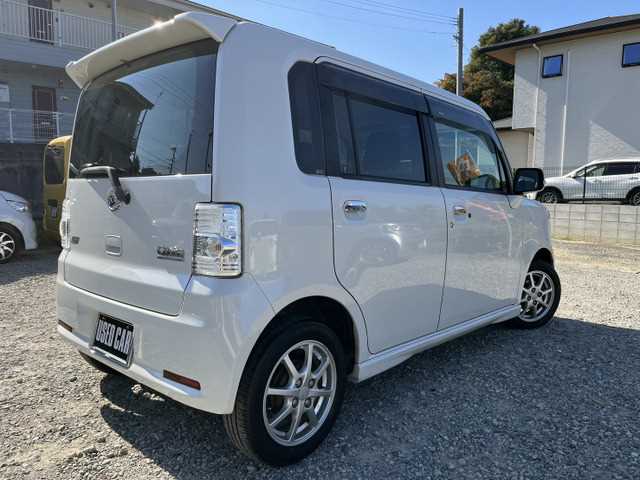
This guide provides straightforward, practical maintenance advice for the 2014 DAIHATSU MOVE CONTE (Move Conte–series kei car). It covers recommended service intervals, routine tasks, common problems to watch for, pre-purchase checks, and simple diagnostic tips you can do at home. Always cross-check with the vehicle’s owner’s manual or a dealer for exact specifications for your engine/transmission variant and local conditions.
Recommended Service Intervals (General)
Intervals below are general guidelines. Adjust based on driving style, climate, and local conditions (many short trips, dusty roads, or heavy loads require more frequent servicing).
Engine oil & oil filter: every 5,000–7,500 km (3,000–5,000 miles) or annually for normal use. Use the oil grade recommended in the owner’s manual.
Air filter: inspect every 10,000–15,000 km; replace every 20,000–30,000 km or sooner in dusty areas.
Spark plugs: inspect at 30,000 km and replace between 30,000–60,000 km depending on plug type (iridium/platinum last longer).
Coolant: replace every 2–4 years or per manual. Check levels regularly.
Brake fluid: replace every 2 years to prevent moisture buildup and corrosion.
Transmission fluid (CVT/manual): inspect and replace per schedule. For CVT, many manufacturers recommend 40,000–60,000 km service intervals but check the manual.
Drive belts: inspect for wear/cracks at least annually; replace if damaged or slack.
Battery: test annually; most batteries last 3–5 years depending on climate and use.
Routine Owner Tasks (Simple, safe jobs)
Check fluid levels weekly or before long trips: engine oil, coolant, brake fluid, windshield washer, and power steering fluid if applicable.
Monitor tire pressure and tread depth monthly; keep pressures at recommended PSI on the placard inside the driver’s door.
Inspect lights and signals monthly — bulbs and lenses for cracks or condensation.
Keep the car clean and waxed to protect paint and spot rust early; check wheel wells and underside for salt or grit in winter.
Replace wiper blades once a year or when performance drops.
Clean or vacuum interior regularly and check for water ingress — door seals and sunroof drains can clog.
Common Problems to Watch For
The Move Conte is generally reliable, but owners should be aware of a few recurring issues seen in kei cars of this generation:
CVT behavior: hesitation, juddering, or shudder during acceleration can indicate CVT fluid degradation or valve body issues. Promptly check the transmission fluid and service history.
Excessive oil consumption or leaks: small engines can show oil seepage around valve cover gaskets or oil pan gaskets — inspect under the car and at parking spots for drips.
Electrical gremlins: intermittent switches, window regulators, or small dashboard warning lamps can be caused by connectors or ground points that need cleaning.
Suspension noise: worn shocks/struts or degraded bushings produce clunks over bumps — check mounts and bushings for cracking.
Rust in high-salt climates: inspect wheel arches, rocker panels, and underbody. Treat early surface rust to prevent spread.
Pre-Purchase Checklist (Used examples)
If you’re considering buying a 2014 Move Conte, do these checks:
Service history: look for regular oil changes, CVT service, and any major repairs. A well-documented history greatly reduces risk.
Start-up and idle: cold-start should be smooth. Excessive smoke on start or rough idle suggests engine or fuel-system issues.
Transmission feel: for CVT, listen for whining and check for smooth, rubber-band-like acceleration without jolting.
Compression & leak-down: if available, request a compression check for the engine to confirm healthy cylinders.
Exterior/interior inspection: check for mismatched paint, panel gaps (accident history), seat wear, and signs of flooding (musty smell, water stains, corrosion under carpets).
Test drive: include city and highway runs, full braking, acceleration, and listen for noises from suspension or drivetrain.
OBD-II scan: check for active or stored trouble codes. Any persistent codes should be diagnosed before purchase.
Simple Diagnostic Tips for Owners
Basic checks you can do before going to a shop:
Battery voltage: with a multimeter, a healthy battery should read ~12.6V at rest and 13.7–14.7V with engine running (charging).
Oil check: check level and look at oil color on the dipstick. Very dark, gritty oil indicates overdue changes. Milky oil suggests coolant leaks into the oil system.
Listen for unusual noises: ticking at idle may indicate valvetrain wear; knocking under load suggests detonation or bearing problems — stop driving and get it checked.
Brake check: soft pedal or spongy feel can indicate air in the system or worn pads/rotors. Visual pad thickness check through wheel spokes can help.
Scan for codes: an inexpensive OBD-II scanner can reveal stored engine/transmission codes. Clear codes only after diagnosing the root cause.
Note: some tasks (coolant/system pressure tests, CVT service, and internal engine work) are best left to trained technicians. Always follow safety precautions and consult the owner’s manual.
Parts & Fluids — What to Keep on Hand
Spare 4–5L of the correct grade engine oil and a replacement oil filter.
Spare fuses, bulbs, and a compact tire repair kit or inflator.
Recommended coolant type and small bottle of brake fluid for top-ups between services.
Owner’s manual and a small OBD-II scanner if you like to troubleshoot.
Final thoughts
Keeping a 2014 DAIHATSU MOVE Conte in good condition is straightforward with regular inspections, timely oil and filter changes, and proactive attention to transmission and brake systems. Routine, owner-friendly checks—tire pressure, fluid levels, and listening for unusual noises—will catch most problems early and help avoid costly repairs. For anything beyond basic checks, consult a dealer or a trusted mechanic and always verify schedules and specifications with the vehicle’s owner’s manual.
FAQs
Q: How often should I service the CVT?
A: Service intervals vary by transmission variant and usage. Common guidance is a CVT fluid inspection at 40,000–60,000 km, but check the owner’s manual or dealer recommendation for exact intervals and fluid type.
Q: Is the Move Conte timing belt or chain-driven?
A: DAIHATSU small engines often use timing chains, but configurations can vary. Check the engine code in your manual or the under-hood sticker. If it’s a belt, follow replacement intervals in the manual; if a chain, watch for noise and unusual timing symptoms.
Q: Can I use synthetic oil in my Move Conte?
A: Yes, provided it meets the viscosity and specification recommended in the owner’s manual. Synthetic oil can extend intervals but still follow service guidelines and monitor oil consumption.
Q: What should I do if the “check engine” light comes on?
A: Don’t ignore it. Use an OBD-II scanner to pull codes or have a shop read them. Address issues promptly—some codes point to simple fixes (loose gas cap), while others indicate serious matters.
Q: Is replacing the brake fluid necessary if brakes feel fine?
A: Yes. Brake fluid absorbs moisture over time, reducing boiling point and increasing corrosion. Replacing it every two years is good preventive maintenance even if pedal feel seems normal.
This guide condenses what matters when buying, owning and protecting the long‑term value of a 2016 DAIHATSU MOVE. It covers the checks to make at purchase, sample budgeting math for...
The 2005 DAIHATSU MOVE CUSTOM is a compact, lightweight kei car that rewards sensible maintenance and a few mild upgrades with long-term reliability and enjoyable everyday driving. This practical plan...
The 2005 DAIHATSU MOVE is a classic kei-car: compact, economical and easy to park. If you’re shopping for one used, focus on the few mechanical and rust-prone items that commonly...
The 2009 DAIHATSU MOVE CUSTOM is a practical kei car designed for tight urban spaces, economical running, and surprising interior versatility. If you’re shopping for a used Move Custom, this...
Family owned dealership of new and pre-owned vehicles with several locations across the Uganda. Lowest prices and the best customer service guaranteed.
You're almost there, select at least one more to compare!
We use cookies to ensure that we give you the best experience on our website. If you continue to use this site we will assume that you are happy with it.
You can revoke your consent any time using the Revoke consent button.