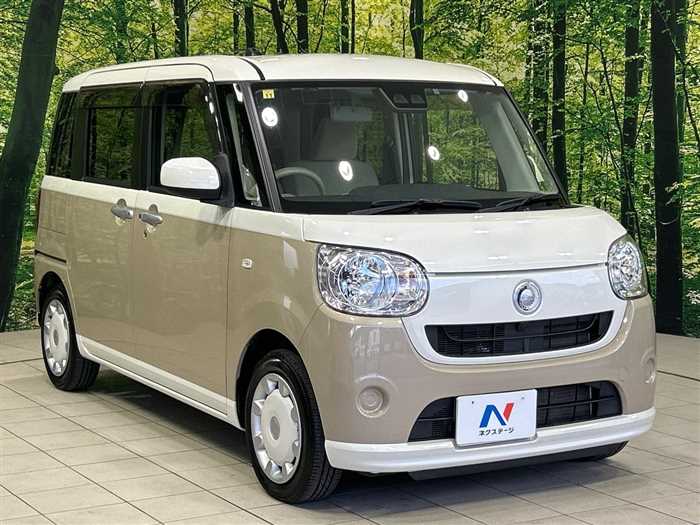
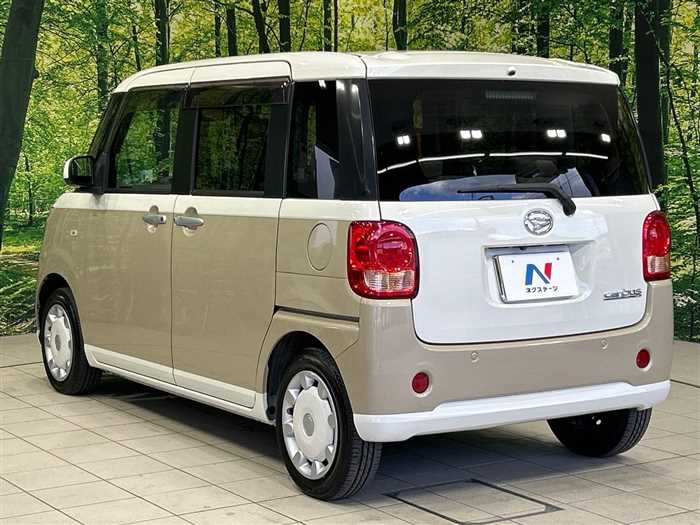
This guide helps you evaluate a 2019 DAIHATSU MOVE CANBUS before you buy: what the car usually is, what to verify before you pay, how to check trim/engine/history, and the red flags to watch for. Use this as a checklist when viewing, test-driving, or researching listings.
The Move Canbus is DAIHATSU’s kei-class microvan aimed largely at urban buyers who want a compact, practical vehicle with a stylish, often two-tone, retro-inspired exterior. It’s built to the kei-car regulations: small footprint, lightweight, and using a sub-660cc engine. Expect a tall, boxy cabin with good headroom, sliding doors on some versions, and an interior optimized for space rather than outright power. Transmissions are usually CVT (continuously variable), and many cars offer features oriented to city convenience: automatic climate control, touch infotainment, and driver-assist systems (braking support, parking aids, etc.).
What to verify before you pay
Before handing over money, do a thorough in-person inspection and paperwork check. Key items to verify:
Identity and paperwork — Confirm VIN/chassis number, registration, and seller identity. Match VIN on the car with the documents and any auction sheets or export paperwork.
Service history — Look for a service book or invoices showing regular maintenance, oil changes, and timing belt/chain work if applicable.
Shaken or local inspection — For cars from Japan, check the remaining period on the Shaken (vehicle inspection). For local purchases, ensure a current inspection or MOT equivalent.
Test drive — Check acceleration, braking, steering response, suspension noises, CVT behavior (no hunting or slipping), and A/C and heating performance.
Exterior and interior — Inspect for paint mismatches, panel gaps, rust in wheel arches and underbody, upholstery wear, and water stains that could indicate flood damage.
Electrical systems — Verify lights, power windows, central locking, infotainment, sensors, and driver-assist features operate correctly.
Keys — Ensure you receive all keys/transponders and remote fobs; replacing modern fobs can be costly.
How to check trim, engine and history
Identifying exact trim and engine options helps you understand equipment level and resale value. Here’s how to check:
Locate the vehicle plate/sticker — Look for the identification plate (often in the engine bay or door jamb) that shows model code, engine code, and build date. This tells you the factory-specified trim and engine family.
Decode the VIN — Use the VIN/chassis number to decode factory data. Free VIN decoders can give basic info; paid services or manufacturer/dealer checks provide full trim and option lists.
Check visible equipment — Compare features (alloy wheels, leather seats, automatic lights, safety pack) against online brochures or dealer specifications to confirm trim level.
Engine inspection — Check for oil leaks, strange noises at idle, smoke on startup (white/blue/black), and a clean engine bay. Ask whether the car is FWD or AWD and confirm which engine variant it carries (kei cars use sub-660cc engines).
History reports and auction sheets — Obtain a vehicle history report (Carfax or local equivalent) if available. For Japanese imports, ask for the original auction sheet and Shaken/maintenance records — these often reveal damage history and odometer accuracy.
Service and ownership records — A documented ownership and maintenance trail is a strong positive sign; a missing service history doesn’t automatically disqualify a car but should affect price negotiation.
Red flags to watch for
Some issues are more serious or more expensive to fix. Be particularly cautious if you find any of the following:
Mismatched paint or uneven panel gaps — Could indicate accident repairs that weren’t performed to factory standards.
Rust in structural areas — Surface rust on body panels is repairable, but rust in sills, suspension mounts, or underbody can be expensive and dangerous.
Salvage or flood damage — Musty smells, corrosion on electrical connectors, and water stains under carpets suggest flooding. Flood-damaged cars can have persistent electrical problems.
Odometer inconsistencies — Look for wear inconsistent with reported mileage (worn pedals or steering wheel with low mileage is suspicious).
Transmission or engine trouble — Hesitation, slipping from the CVT, knocking, or heavy smoke on startup are all major faults that need mechanical inspection.
Non-functioning safety features — Disabled airbags, seatbelt warnings, or malfunctioning driver-assist systems undermine safety and can be costly to repair.
Incomplete paperwork or unclear title — If the history is murky or the seller can’t produce original documents, walk away or insist on a professional history check before purchase.
Practical inspection checklist (quick)
Match VIN to documents
Inspect engine bay and underbody for leaks and rust
Test-drive >20 minutes, including uphill run if possible
Operate all doors, power features and parking brakes
Check for warning lights on startup and during drive
Request service history and any auction sheet or inspection record
Final thoughts
The 2019 Daihatsu Move Canbus can be an excellent, economical choice for city driving if you buy wisely. Prioritize verified identity and service history, perform a thorough test drive, and inspect for structural and electrical issues. Know how to decode the VIN and find the model/engine information, and always be watchful for signs of accident repair, flooding, or drivetrain problems. With careful checks and realistic expectations about performance and space, you can secure a dependable, practical kei car that fits urban life and keeps ownership costs low.
FAQs
Q: Is the Move Canbus reliable?
A: Generally, yes — Daihatsu’s kei cars are built for economy and low running costs. Reliability depends heavily on maintenance history and how the previous owner treated the car. Regular oil changes and inspections are key.
Q: How fuel-efficient is a 2019 Move Canbus?
A: As a kei car with a sub-660cc engine, the Move Canbus is designed for excellent fuel economy in city driving. Actual consumption depends on driving habits, load, and whether the car is FWD or AWD.
Q: Can I import a Move Canbus from Japan?
A: Yes — many Move Canbus examples are exported. Make sure you obtain the auction sheet, export documentation, and arrange for a thorough pre-purchase inspection or third-party history check.
Q: What are common issues to expect?
A: Minor wear items (brakes, bushings), CVT wear if abused, and occasional electrical quirks on older infotainment systems. Major problems often correlate with lack of maintenance or prior accidents.
Q: Is it worth paying more for a higher trim?
A: Higher trims add convenience and safety features that may matter to you (better infotainment, safety packages). Balance the extra cost against your usage and whether the features are worth the premium.
This guide condenses what matters when buying, owning and protecting the long‑term value of a 2016 DAIHATSU MOVE. It covers the checks to make at purchase, sample budgeting math for...
The 2005 DAIHATSU MOVE CUSTOM is a compact, lightweight kei car that rewards sensible maintenance and a few mild upgrades with long-term reliability and enjoyable everyday driving. This practical plan...
The 2005 DAIHATSU MOVE is a classic kei-car: compact, economical and easy to park. If you’re shopping for one used, focus on the few mechanical and rust-prone items that commonly...
The 2009 DAIHATSU MOVE CUSTOM is a practical kei car designed for tight urban spaces, economical running, and surprising interior versatility. If you’re shopping for a used Move Custom, this...
Family owned dealership of new and pre-owned vehicles with several locations across the Uganda. Lowest prices and the best customer service guaranteed.
You're almost there, select at least one more to compare!
We use cookies to ensure that we give you the best experience on our website. If you continue to use this site we will assume that you are happy with it.
You can revoke your consent any time using the Revoke consent button.