


The 2006 DAIHATSU MOVE is a popular compact (kei-style) city car: light, fuel-efficient and cheap to run. If you’re considering importing one into Uganda, this guide walks you through the basics, required clearance steps, where to source the car, and common pitfalls to avoid so the process is smoother and less costly.
Basics: suitability and initial checks
The DAIHATSU Move is well suited to urban driving in Uganda thanks to its small footprint and economical engines. Before you commit to purchase, check:
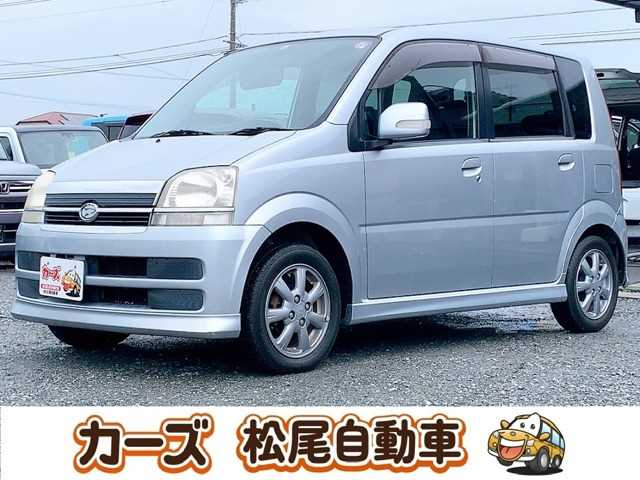
- Vehicle condition: mileage, service history, accident and flood history, and photos of the chassis/underbody (for rust).
- Right-hand drive: Uganda drives on the left, so Japanese right-hand drive models are appropriate.
- Parts and servicing: Daihatsu parts exist locally but may be less common than TOYOTA parts—confirm availability for common items (filters, belts, brake parts).
- Compliance: ensure the car meets any environmental or safety standards required by Ugandan authorities (check Uganda Revenue Authority (URA) / Ministry websites for current rules).
Where to buy a 2006 Daihatsu Move
Popular sourcing channels include Japanese exporters and auction houses, dealers in the UAE/UK, and regional secondhand markets. Key reputable sources:
- Japanese auction sites and exporters (e.g., Be Forward, SBT, USS-linked exporters, CarFromJapan). These are common because many Moves come from Japan and are often well-maintained.
- Online marketplaces that specialize in export to Africa—read reviews and verify business registration.
- Regional dealers in Kenya or Tanzania if you prefer buying closer to home (can reduce shipping and logistic complexity).
Always request the VIN/chassis number, comprehensive photos, a pre-shipment inspection report if available, and clear terms on deposit, payment method and delivery timelines.
Clearance steps and paperwork
Importing to Uganda requires several documents and procedural steps. Consider hiring an experienced clearing agent in Uganda to handle customs formalities — they speed up the process and reduce errors.

Typical documents you’ll need
- Original bill of lading (B/L) or sea waybill.
- Commercial invoice showing purchase price.
- Export certificate or title from country of origin.
- Bill of sale and any auction paperwork (if purchased at auction).
- Certificate of origin (if available).
- Engine and chassis numbers (for verification).
- Insurance documents (marine cargo insurance recommended).
- Pre-shipment inspection and road-worthiness certificates if required.
Clearance process (high level)
- Arrange shipping to a regional port — most imports to Uganda arrive via Mombasa (Kenya) or Dar es Salaam (Tanzania).
- Hire a Ugandan clearing agent to handle UG customs declarations and paperwork once the car lands.
- Pay port and handling charges at the arrival port, then arrange transshipment or road transport to Uganda.
- At the border (Malaba/Busia if via Kenya, or Mutukula if via Tanzania) complete customs clearance with URA-approved documents. Pay customs duty, excise duty, VAT and any other statutory fees applicable (use URA’s calculators or ask your agent for an estimate).
- After duties are paid and clearance granted, register the vehicle with the Uganda National Transport and Planning Authority / Police as required and obtain number plates and insurance.
Costs: the full landed cost equals purchase price + shipping + marine insurance + port charges + clearing agent fees + customs duties and taxes + inland transport + registration fees.
Common pitfalls and how to avoid them
- Underestimating total cost: Many buyers forget taxes, port charges and inland transport. Always obtain a full landed-cost estimate before purchase.
- Insufficient inspection: Buying sight-unseen increases risk of hidden damage or flood history. Ask for third-party inspection reports and clear photos of the underbody, engine bay and interiors.
- Fraudulent exporters: Use well-reviewed exporters, confirm company credentials, and avoid wire transfers without protections. Consider escrow services for payment.
- Incorrect or incomplete paperwork: Missing certificates delay clearance and can result in fines. Ensure the seller provides all necessary original documents.
- Ignoring local rules: Regulations and duties change—always check URA and Ugandan government portals or your clearing agent for the latest rules and any age restrictions or environmental levies.
- Parts availability: Check where you’ll source replacement parts locally, and factor in potential higher costs or delays for rare components.
Practical tips to streamline the import
- Work with a single point of contact: a reputable exporter plus a trusted Ugandan clearing agent.
- Compare multiple freight and shipping quotes to avoid overpaying—consider roll-on/roll-off (RoRo) vs container shipping depending on cost and security.
- Get marine insurance that covers the vehicle in transit.
- Budget buffer time and money—expect delays at ports and borders, especially during busy seasons.
- Keep digital and physical copies of all documents and track the shipment regularly.
Final thoughts
Importing a 2006 Daihatsu Move into Uganda can be a cost-effective way to obtain a small, fuel-efficient vehicle. Success depends on thorough due diligence: pick a trusted seller, secure complete export paperwork, calculate the full landed cost (including all duties and fees), and use an experienced clearing agent to navigate customs. With careful planning you can avoid common mistakes—leading to a smooth import and a reliable car for Ugandan roads.
Frequently Asked Questions (FAQs)
1. Is importing a 2006 Daihatsu Move legal in Uganda?
Generally yes, provided the vehicle meets the regulatory standards at the time of import and you complete required customs formalities and pay all duties and taxes. Regulations change—confirm current rules with Uganda Revenue Authority (URA) before purchase.

2. How long does the import process take?
Timeline varies: shipping from Japan to Mombasa typically takes 2–4 weeks, plus 1–2 weeks for port clearance and inland transport if paperwork is complete. Allow 4–8 weeks total to be safe.
3. Do I need a clearing agent?
It’s highly recommended. A licensed clearing agent in Uganda will handle customs declarations, calculate duties, file paperwork and liaise with URA—minimizing delays and mistakes.
4. What are the biggest unexpected costs?
Common unexpected costs include additional port handling charges, local taxes or levies, inspection fees, fines for incorrect paperwork, and higher-than-anticipated inland transport fees.
5. Are spare parts for a Daihatsu Move readily available in Uganda?
Basic parts (filters, brakes, bulbs) are usually available, but some specific components may be harder to source and could need ordering. Check with local mechanics and parts suppliers before importing.


