

The DAIHATSU MIRA and the more fuel‑focused Mira e:S around the 2013 model year are popular small cars—especially in Japan and export markets that accept kei cars or small city cars. Below is a concise, owner-oriented summary split into three parts: what owners tend to like, what they commonly complain about, and practical real‑world tips for buying, owning and maintaining one. A conclusion and FAQ section follow.
What Owners Tend to Like
- Excellent fuel economy: The Mira e:S was tuned for maximum economy; owners regularly praise its low fuel bills. In everyday urban and mixed driving it’s common to see substantially better fuel use than larger cars.
- Low running costs: Insurance, road tax (where applicable) and routine maintenance costs are generally low. Parts tend to be inexpensive compared with larger, more complex models.
- Compact and nimble: The small footprint makes city driving and parking easy. Tight turns, narrow lanes and congested streets are where these cars shine.
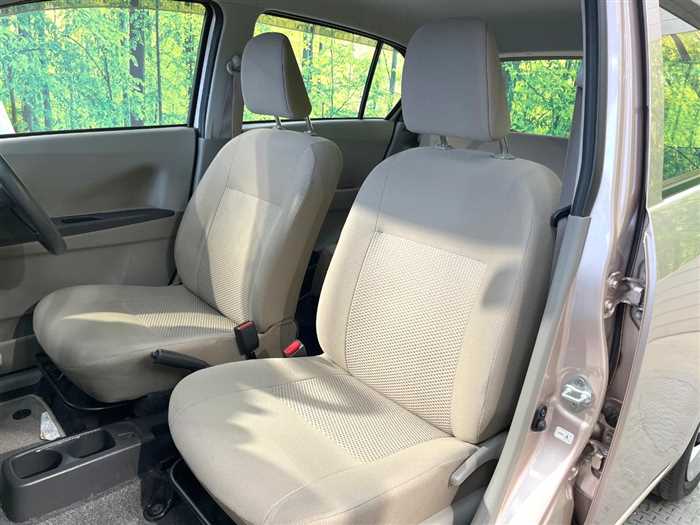
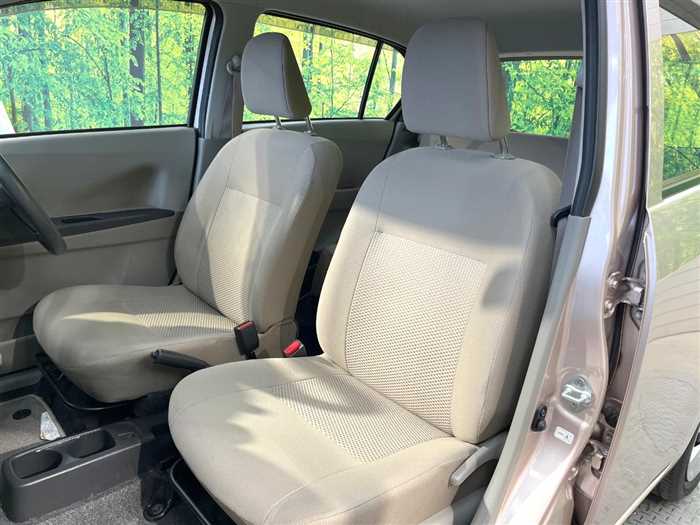
- Practical for its size: Despite compact exterior dimensions, owners frequently note sensible interior packaging — usable rear seats for short journeys and a reasonably flexible boot for everyday shopping and light cargo.
- Reliability: Many owners report years of trouble‑free ownership if serviced regularly. Simple engineering and a conservative tune help longevity.
- Affordability: Purchase price on the used market is usually low, making it an attractive choice for first‑time buyers, commuters or those on a budget.
Common Complaints
- Lack of power: The small engines (especially the 660cc kei versions) are designed for economy, not performance. Expect slow acceleration, particularly on steep hills or when carrying four passengers and luggage. Highway passing can feel strained.
- Noisy at speed: Wind and engine noise become noticeable at highway speeds. Refinement is not a strong suit compared with larger or more expensive compact cars.
- Basic equipment and finish: Lower trim levels are sparse in features and use hard plastics. Some owners wish for better infotainment, sound insulation and higher‑grade interior materials.
- Ride and comfort limitations: Suspension tuning is typically soft to save weight and cost, which can lead to body roll, limited control on rough roads and a bouncy feel over big bumps.
- Safety features: Depending on trim and market, safety kit can be basic. Some older or base models lack advanced driver‑assist features that are now common.
- Rust and corrosion (in certain climates): Like many older small cars, salt and moisture can lead to rust on lower sills, wheel arches and exhausts if not checked and treated.
Practical Real‑World Tips (Buying, Ownership, Maintenance)
Buying tips
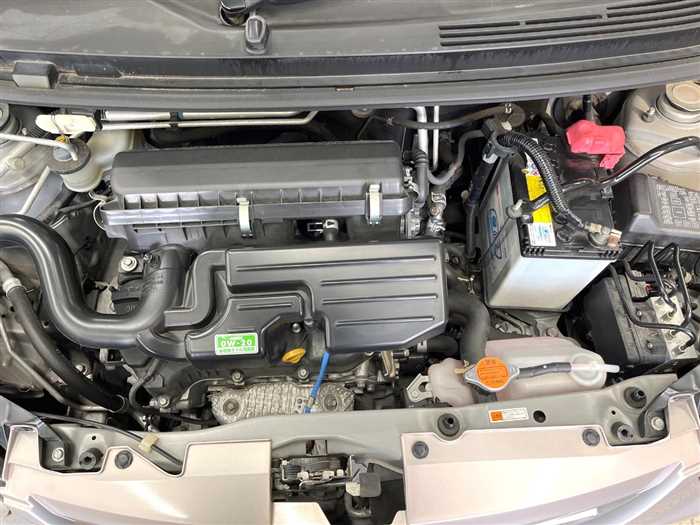
- Know the variant: Around 2013, the Mira e:S was explicitly tuned for economy (lightweight parts, low rolling resistance tyres, etc.). In Japan it’s typically a 660cc kei car; in other markets the Mira family may use different small engines. Confirm engine size and trim before you buy.
- Check service history: Look for consistent oil changes, CVT or transmission servicing where applicable, and documentation of any major work. A well‑kept small engine is much more economical long term.
- Inspect for rust and accident repair: Pay special attention to lower sills, wheel arches, underbody and suspension mounting points. Signs of poor repair or filler on seams can indicate previous accident damage.
- Test the CVT and gearbox: Many Mirа models use CVT. During a test drive check for smooth acceleration, no juddering, and no unusual noises under load. Cold‑start behaviour and warm‑up shifting are worth noting.
- Check the AC, electrics and heater: Small cars often live in city environments where AC and heating get heavy use. Make sure they function well and do not indicate hidden leaks or electrical gremlins.
- Shaken or inspection dates (for Japan buyers): If buying from Japan, confirm the next vehicle inspection (“shaken”) date and any related paperwork.
Ownership & maintenance tips
- Regular oil and filter changes: Small engines benefit hugely from timely oil servicing. Use the recommended oil grade to protect the engine and maintain economy.
- CVT care: If the car has a CVT, follow manufacturer guidance for fluid change intervals. Neglect is a common source of costly repairs later.
- Tires and brakes: Keep tyres inflated to the recommended pressure to preserve economy and handling. Replace tyres with the same size and load rating; cheap low‑quality rubber can worsen ride and noise.
- Rust prevention: If you live in a wet or salted‑road area, treat vulnerable spots and keep underbody washes in your maintenance routine. Address small rust spots early.
- Keep it light: The car is tuned for lightness and economy — avoid carrying unnecessary weight if fuel economy is a priority.
- Use quality parts when needed: For items like suspension bushes, CVT filters, and brake components, use reputable parts to preserve drivability and safety.
Final thoughts
The DAIHATSU Mira and the economy‑focused Mira e:S (c.2013) are pragmatic, low‑cost urban transporters that appeal to buyers who prioritize fuel economy, low running costs and easy city manoeuvrability. Owners appreciate how little they cost to operate and how reliable they can be when maintained. However, they are not performance cars: expect modest acceleration, basic creature comforts and occasional compromises in refinement. For the right buyer—commuter, student or budget‑conscious household—these models deliver very good value. Inspect carefully for rust, get a full test drive (including CVT behaviour), and maintain regular servicing to prolong life and satisfaction.
FAQs
Is the Mira e:S worth buying used?
Yes, if you want a very economical, simple city car with low ownership costs. Ensure you check service history and the condition of the transmission and bodywork before purchase.
How much fuel economy should I expect?
Real‑world fuel economy varies with driving style and conditions. Owners typically report significantly better consumption than larger compact cars—excellent for city commuting—though exact numbers depend on engine size, load and driving behaviour.
Are parts and servicing easy to find?
In markets where Daihatsu has a presence parts are generally inexpensive and widely available. In countries without dealer support, parts may be less common but basic maintenance items are still usually obtainable through aftermarket suppliers.
Do these cars have safety concerns?
They are designed as economical small cars and may lack modern active safety features found on newer models. Check fitted airbags, ABS, and any available driver‑assist options on the specific trim you’re considering.
What should I worry about when buying one?
Pay attention to rust, CVT/transmission condition, suspension wear and whether the car has a clear service history. Also confirm the engine variant (kei 660cc vs other small engines) to match your expectations for performance and running costs.
Can these cars handle long trips?
They can manage occasional longer trips, but expect limited high‑speed refinement and slower acceleration on highways. For frequent long‑distance driving a larger, more powerful car might be more comfortable.


