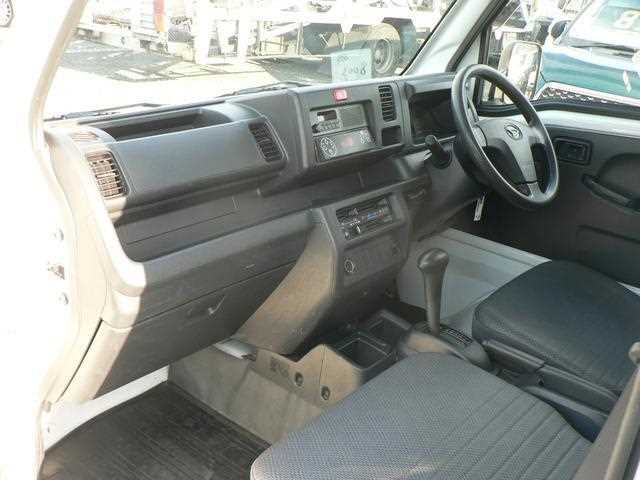
Below is a compact, practical dealer / pre‑purchase checklist you can use when inspecting a 2016 DAIHATSU HIJET TRUCK (or similar kei truck). Split into paperwork, physical inspection, test‑drive, mileage/history questions, and recommended follow‑ups. You can copy this into a phone note or print it.
1. Paperwork
Title / registration: Verify VIN/serial matches chassis plates and paperwork. Check for liens or salvage branding.
Service records: Ask for oil change dates, timing belt/service intervals (if applicable), and recent repairs.
Import/export documents (if imported): Confirm compliance with local import rules, emissions exemptions, and odometer disclosure.
Owner history: How many owners, commercial or private use (farm, delivery, rental)? Commercial use often means heavier wear.
Insurance/accident reports: Request any accident photos or repair invoices; note frame or structural repairs.
Emissions & inspection certificates: Ensure the vehicle meets local inspection and emissions requirements (where applicable).
2. Physical Inspection
Do this inspection with the vehicle cold and on level ground when possible. Bring a flashlight and a magnet (for body filler checks).
Exterior
Body panels & paint: Look for mismatched paint, dents, bubbling paint (rust under paint) and overspray. Check edges of panels and behind wheel arches.
Glass & lights: Inspect windshield for chips/cracks, and confirm headlights, tail lights, indicators, and fog lamps function.
Doors & seals: Open and close doors, check for smooth hinges, alignment, and weatherstrip condition (water intrusion is common).
Tires & wheels: Check tread depth, even wear, and sidewall damage. Confirm wheel studs, lug nuts, and look for aftermarket wheels that may mask axle issues.
Underbody & Frame
Rust inspection: Kei trucks are light and often used in salty or wet environments—check frame rails, floor pans, suspension mounts, and bed hinges for corrosion.
Frame straightness: Look for bent or repaired sections, welded patches, or fresh paint under the truck.
Fluid leaks: Check for oil, coolant, transmission fluid, and fuel leaks around the engine, gearbox, transfer case (4WD) and differential.
Engine Bay & Drivetrain
Oil level & condition: Dark oily sludge or milky oil suggests neglect or coolant leak. Fresh oil change sticker is a good sign.
Hoses & belts: Look for cracks, fraying, and age; check coolant reservoir level and color.
Transmission & clutch: Check shift linkage, clutch free play; rough linkage or leaking bell housing are warning signs.
Exhaust: Check for holes, rust-through, or loose hangers—excessive white/blue smoke on start can indicate deeper issues.
Interior & Bed
Seats & floor: Look for water stains, rust through floors, or odd smells (mildew or fuel odors).
Instruments & controls: Test gauges, lights, heater, A/C (if fitted), wipers, horn, and indicators.
Cargo bed: Inspect bed floor, hinges, tailgate, tie-downs, and for previous repairs/welds.
3. Test‑Drive Checklist
Plan a route including city streets, a short highway run (if safe/legal), and some slow tight turns.
Start‑up: Cold start sound — rough starting, excessive cranking, or odd noises at startup are red flags.
Idle: Smooth idle, consistent RPM, no heavy smoke or stalling after warm‑up.
Acceleration: No hesitation, misfires, or surging. Check for turbo lag only if a turbo model; most kei trucks are naturally aspirated.
Transmission: Smooth shifts in manual or automatic; no grinding, slipping, or hard shifts. Clutch should engage smoothly with a consistent biting point.
Brakes: Firm pedal, no pulsing (warped rotors), and straight braking without pull to one side. Test at different speeds.
Steering & suspension: No excessive play, clunks over bumps, or wandering at speed. Listen for wheel bearing noise.
4WD system (if fitted): Engage/disengage 4WD on a safe surface to confirm operation and listen for abnormal noises from transfer case.
Heating & ventilation: Check heater core and fan operation; A/C operation if present.
4. Mileage & History Questions
Odometer reading: Compare to service records. Very low mileage with poor service history can still hide issues (long‑term storage problems).
Usage history: Ask if truck was used for agricultural work, deliveries, construction — heavy loads shorten component life.
Accident history: Details on any collisions, airbag deployment, or structural repairs.
Modifications: Note lift kits, oversized tires, engine swaps, or aftermarket fuel systems—these can complicate maintenance and inspections.
Reason for sale: Honest answers can reveal urgent problems (e.g., mechanical issues, rust, or cost of repairs).
5. Recommended Follow‑Ups
Independent mechanic inspection: Have a trusted mechanic do a compression test, full underbody check, and road test.
Rust repair estimate: If surface rust is present, get quotes for treatment and structural repairs before purchase.
Fluid & filter service: Plan an immediate oil change, transmission fluid check, coolant flush and brake fluid refresh after purchase.
Parts availability: Confirm prices/lead time for common replacement parts in your region (filters, brake parts, bearings).
Paperwork verification: If imported, confirm you can legally register the truck and that emissions/exemptions are handled.
Final thoughts
Kei trucks like the 2016 DAIHATSU HIJET are simple, practical, and often surprisingly durable when maintained. The compact checklist above focuses on the high‑risk areas—rust, underbody, drivetrain, and usage history—so you can make a confident buying decision. Always pair your own inspection with a professional mechanic’s review and confirm paperwork before completing the purchase. A careful check now can save you costly surprises later.
FAQs
Q: What is a kei truck?
A: A kei truck is a category of small, light commercial vehicle that originated in Japan—compact, economical, usually with engines up to 660cc, designed for short trips and light loads.
Q: How concerned should I be about rust?
A: Very—rust can compromise frame integrity. Surface rust can be treated, but deep corrosion at mounting points, frame rails, or floor pans is expensive to fix and should be a negotiating point.
Q: Are parts and service readily available?
A: It depends on your region. In many places, common parts (filters, brakes, belts) are easy to source; however, special parts or right‑hand drive components for imported models may take longer.
Q: Does 4WD add maintenance complexity?
A: Slightly. 4WD models have additional transfer case, front differentials, and seals. Check for leaks, correct engagement, and smooth operation during the test drive.
Q: Should I buy if it has high mileage?
A: Kei trucks are designed for frequent use. High mileage alone isn’t a deal‑breaker if maintenance records are solid and the engine and transmission are healthy. Prioritize condition and service history over miles.
Q: Is a pre‑purchase inspection really necessary?
A: Yes. A professional inspection reveals hidden issues (compression loss, frame damage, leak sources) that a quick walkaround might miss and can save money and headaches.
Tip: Save or print this checklist and bring it on your inspection to ensure you don’t miss key items.
Use this compact, practical checklist on a dealer lot or at a private seller visit. Work methodically through each section and tick items off as you go. The Hijet is...
The Daihatsu Hijet Van 2021 has garnered attention as a potential solution for urban transportation needs in Uganda, where efficiency and maneuverability are paramount. Its compact design allows it to...
As an experienced car inspector in Uganda, I’ve seen a wide range of vehicles, but the Daihatsu Hijet Truck has piqued the interest of many buyers for various reasons. For...
As an experienced car inspector based in Uganda, I understand the diverse needs of buyers when it comes to selecting a vehicle. For city commuters, fuel efficiency and maneuverability are...
Family owned dealership of new and pre-owned vehicles with several locations across the Uganda. Lowest prices and the best customer service guaranteed.
You're almost there, select at least one more to compare!
We use cookies to ensure that we give you the best experience on our website. If you continue to use this site we will assume that you are happy with it.
You can revoke your consent any time using the Revoke consent button.