


Below is a compact, practical guide covering insurance, financing, budgeting, pre‑purchase risk checks and how to preserve long‑term value for a DAIHATSU ESSE (2008). If you tell me your country/region and whether you’re buying, selling or already own it, I can give more specific numbers and quotes.
Quick overview
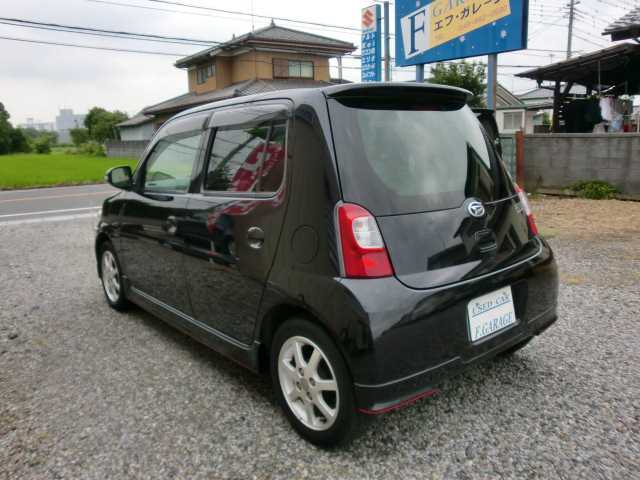
The DAIHATSU Esse is a small, lightweight kei/compact city car introduced in the mid‑2000s. For users who want affordable urban mobility, the Esse offers excellent fuel efficiency, low running costs and simple mechanicals. That simplicity is an advantage when buying used, but it also means you should pay close attention to service history, corrosion and any previous accident or flood damage.

Insurance
Insurance costs for an Esse (2008) depend on your region, driver history and intended use (private vs commercial). Use these tips to get the right cover at the lowest reasonable price:
- Compare quotes from multiple insurers; small, older cars usually qualify for cheaper comprehensive or third‑party policies.
- Consider agreed‑value or market‑value cover if you want a guaranteed settlement amount — useful for rare models or if you’ve invested in restoration.
- Look at excess levels, breakdown assistance and uninsured motorist cover; raising voluntary excess lowers premiums but increases out‑of‑pocket cost after a claim.
- If you’ve got a good driving record, ask about no‑claim discounts and multi‑policy discounts (home + car).
- In some regions classic/limited‑mileage policies are cheaper — check eligibility if you’ll only use the vehicle occasionally.
Financing
When financing an older used car like the Esse, avoid long loan terms that outlast the car’s useful life. Practical guidance:
- Prefer shorter terms (24–48 months) to avoid upside‑down loans.
- Compare APRs from banks, credit unions and dealer finance; used‑car rates can be higher than new car financing.
- Consider a larger down payment to reduce monthly stress and interest paid.
- For private purchases, explore personal loans or peer‑to‑peer lending rather than dealer finance to save fees.
- Don’t include large future maintenance costs in the loan — keep an emergency/maintenance fund separate.
Budgeting & Total Cost of Ownership
Plan beyond the purchase price. Typical annual running costs to budget for:
- Fuel: Esse is very fuel efficient; estimate modest fuel spending relative to larger cars (exact fuel economy varies by engine and driving style).
- Maintenance & repairs: budget for routine items — oil changes, brakes, tyres, and occasional brake/clutch work. Older cars often need more frequent minor repairs.
- Insurance, registration, taxes and inspection fees — annual or biannual depending on your jurisdiction.
- Unexpected repairs: set aside an emergency fund (rule of thumb: 3–6 months of expected car expenses or a flat reserve of a few hundred to a couple thousand in local currency).
Tip: create a 12‑month rolling budget that tracks actual spend so you can spot rising costs (tyres, corrosion repair, recurring electrical faults) early.
Pre‑purchase risk checks
Before buying, inspect and test the vehicle thoroughly. Key checkpoints:
- Documentation: verify VIN/registration, service history, past MOT/inspection certificates and receipts for major work.
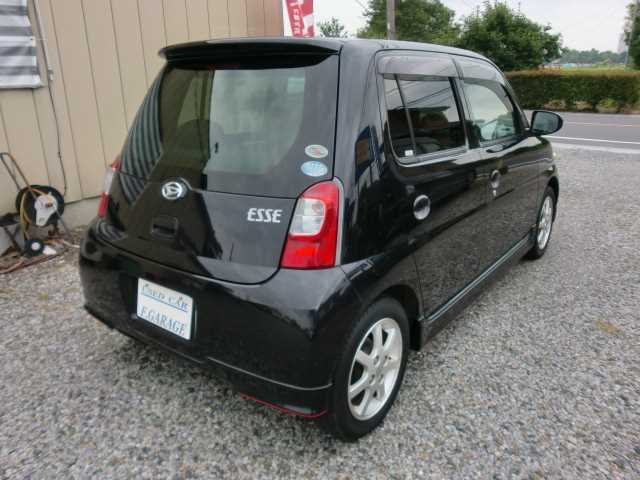
- Exterior & frame: check for rust in wheel arches, sills, underbody and around doors. Look for uneven paint, gaps or overspray indicating repair from collisions.
- Interior & electronics: test all lights, heating, ventilation, windows, locks and dashboard indicators.
- Engine & drivetrain: inspect oil level and colour, coolant, belts, hoses and look for leaks. On a test drive, listen for knocks, check gearbox operation and clutch engagement.
- Under the car: check for fluid leaks, worn suspension joints and exhaust condition.
- Diagnostics & compression: if possible, run an OBD scan and a compression test (or ask a mechanic) to detect hidden engine issues.
- History checks: search for salvage, flood or write‑off records and confirm the mileage looks consistent with wear and service stamps.
If you’re not mechanically confident, pay for a pre‑purchase inspection from an independent mechanic.
Preserving long‑term value
To keep the Esse desirable and preserve resale value, prioritize the following:
- Regular scheduled maintenance: follow manufacturer intervals, keep receipts and retain service stamps. A documented service history is the strongest resale tool.
- Rust prevention: treat exposed metal, keep undercarriage clean, and repair small rust spots early.
- Use OEM or high‑quality replacement parts — buyers trust factory spec components.
- Avoid irreversible modifications: cosmetic or engine mods can reduce the pool of future buyers; if you modify, keep original parts to return the car to stock.
- Detailing and storage: keep the interior and exterior clean, and store under cover or use a breathable cover to protect paint and trim.
- Keep documentation: manuals, spare keys, service records and receipts reassure buyers and support higher asking prices.
- Market timing: sell when demand for small city cars is strong (e.g., before winter in snowy regions if car is rust‑free, or ahead of license/inspection expiries).
Final thoughts
The Daihatsu Esse (2008) can be an economical, reliable choice for city transport if you buy carefully and maintain it consistently. Prioritize a documented service history, thorough pre‑purchase checks and sensible insurance/finance choices. Preserve value by preventing rust, using quality parts and keeping records. If you provide your country/region and whether you’re buying, selling or already own the car, I can supply tailored cost estimates, insurance quotes and market guidance.
FAQs
Q: Is the Esse a reliable car?
A: Generally yes — simple mechanicals mean fewer expensive systems to fail. Reliability depends on maintenance history, rust and how it was used. Always check service records and perform a pre‑purchase inspection.
Q: Can I get parts easily?
A: In regions where Daihatsu or Japanese small cars are common, parts are usually available new or used. In other markets, you may need to source parts online or from specialist importers; consider this when buying.
Q: What insurance level should I choose?
A: For an older car, comprehensive cover is safest if the car is valuable to you or financed. If costs are a concern, third‑party plus fire & theft may be acceptable. Compare quotes and consider agreed value if you’ve invested in restoration.
Q: Is it worth financing an older Esse?
A: Shorter term loans with a decent down payment are usually sensible. Avoid long loans that exceed the car’s remaining useful life. Cash or a short personal loan is often better value.
Q: How can I boost resale value quickly?
A: Fix obvious mechanical faults, address rust spots, provide a clear service history, and present the car cleanly with photos and documentation. Small investments in tyres/brakes and detailing often yield a better sale price.
If you want specific numbers for insurance, loan rates or parts costs, tell me your country/region and whether you’re buying, selling or already own the Esse, and I’ll prepare tailored estimates.


