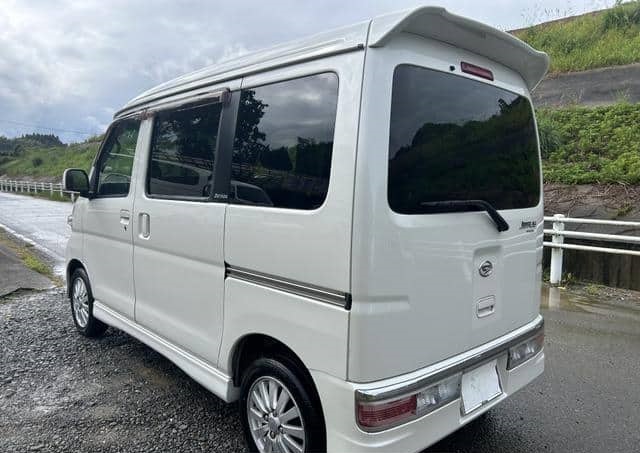
Importing a compact, fuel-efficient 2015 DAIHATSU ATRAI WAGON RS into Uganda can be a smart choice for city driving, small-business use, or as a low-cost family van. This guide walks you through the basics, a clearance and document checklist, where to buy, typical shipping and clearing steps, common pitfalls to avoid, and what to expect on arrival.
1. Basics — What to check before you buy
- Suitability: The Atrai Wagon RS is a Japanese-market kei/mini van. Uganda drives on the left, so right-hand drive vehicles are appropriate.
- Vehicle condition: Look for full service history, major repairs, and any accident damage. Request odometer readings and inspection reports.
- Specs and parts: Verify engine type, fuel type (petrol/diesel), spare-parts availability, and emissions compatibility. Some Japanese models have different variants—confirm you can maintain it locally.
- Budget for taxes and fees: The purchase price is only part of the cost. Add shipping, insurance, customs duties, excise, VAT, port charges, clearing agent fees, and any repair or compliance costs.
- Legal/regulatory checks: Confirm current Ugandan import rules (age restrictions, taxes, and required inspections) with the Uganda Revenue Authority (URA) or a licensed clearing agent before purchase.
2. Where to buy
Popular sources for a 2015 DAIHATSU ATRAI Wagon RS:

- Japanese car auction houses: USS, TAA, Aucnet. Use a reputable broker to bid on your behalf.
- Online exporters and dealerships: BE FORWARD, SBT, Japan Partner, CarFromJapan and similar exporters list many compact vans and offer shipping arrangements.
- Local Ugandan importers: Dealers in Kampala often handle sourcing, shipping and clearance for a packaged fee—useful if you want a turnkey service.
- Direct purchase from Japanese dealers: Good if you have an agent and want more negotiation control.
3. Step-by-step importing process
- Find and inspect the car: Get detailed photos, video walkthrough, odometer photo, and a certified pre-shipment inspection (PSI) report where possible.
- Agree terms: Confirm the seller provides the full export documentation (export certificate/title, original invoice, bill of lading/air waybill) and whether the price is FOB, CIF, or C&F. CIF includes shipping and insurance to the port; F.O.B. does not.
- Arrange shipping: Choose RoRo (roll-on/roll-off) for lower cost or container shipping for added protection. Typical transit times from Japan to Mombasa or Dar-es-Salaam (and then by road to Uganda) are 2–6 weeks depending on route.
- Hire a clearing agent: A licensed customs broker in Uganda will handle customs declarations, calculate duties/taxes, and coordinate inspections and registration steps.
- Pay duties and clear at port: On arrival, the vehicle goes through port handling, verification and clearance. You will pay all duties, excise, VAT, port fees and agent fees before release.
- Transport to Uganda: If shipped to Mombasa or Dar, arrange transit to Uganda and ensure transit permits and bonded movement are in order.
- Local inspection and registration: Complete any required inspections, pay registration fees, and register the vehicle with the local licensing/registration authority to obtain number plates.
4. Clearance and document checklist
Ensure you (or your agent) have the following documents ready for customs and registration:
- Original commercial invoice (showing seller, buyer, price)
- Bill of lading or air waybill
- Export certificate / deregistration certificate from the exporting country
- Original logbook or title showing owner details
- Pre-shipment inspection (PSI) report if required
- Packing list (if containerized)
- Insurance documents covering transit
- Power of attorney for your clearing agent (if used)
- Passport/ID and proof of address for the importer
- Customs declaration forms completed by the clearing agent
- Any emissions or compliance certificates required by Ugandan authorities
Always verify exact document requirements and whether certified translations or notarizations are required.
5. Common pitfalls to avoid
- Skipping a PSI: Without a pre-shipment inspection you risk receiving a vehicle with hidden damage or odometer tampering.
- Underestimating total cost: Not factoring duties, excise, VAT and port/agent fees can blow your budget.
- Choosing an unreliable seller or shipper: Use reputable exporters and read buyer reviews. Avoid vendors demanding large deposits via insecure channels.
- Improper paperwork: Missing or incorrect documents cause delays and extra costs at customs.
- Ignoring local compliance rules: Age or emissions restrictions change; verify rules before purchase.
- Not checking spare part availability: Some models have limited local support; ensure parts or alternatives are accessible.
6. Budget and timeline expectations
Timeline: From purchase to registration typically takes 4–8 weeks depending on shipping route, port congestion and speed of clearance. Budget: shipping and insurance vary by method; clearing costs and taxes often add a significant percentage to the vehicle CIF value. Get a duty/tax estimate from URA or your clearing agent before committing.

Final thoughts
Importing a 2015 DAIHATSU Atrai Wagon RS into Uganda is a feasible and often economical option for buyers who prepare properly. Key success factors are choosing a trustworthy seller, securing complete documentation and inspection reports, budgeting realistically for taxes and fees, and working with an experienced clearing agent. Do your regulatory checks with URA and local authorities before purchase to avoid surprises.
FAQs
- Q: Can I import a right-hand drive Daihatsu Atrai into Uganda?
- A: Yes. Uganda drives on the left side of the road, so right-hand drive vehicles are appropriate and commonly imported.
- Q: How long does the whole process take?
- A: Expect 4–8 weeks from purchase to local registration, depending on shipping route, customs processing and transit arrangements.
- Q: Are there age limits for imported cars into Uganda?
- A: Regulations change periodically. There have been restrictions and proposals in the past—always confirm current age limits and requirements with the Uganda Revenue Authority or your clearing agent before buying.
- Q: What shipping method is recommended?
- A: RoRo (roll-on/roll-off) is usually cheaper; container shipping offers more protection. Choose based on cost, value and condition of the vehicle.
- Q: Do I need a pre-shipment inspection?
- A: Yes—it’s strongly recommended. A PSI helps verify condition, odometer accuracy and that the vehicle matches the paperwork, reducing risk at arrival.
- Q: Who should I contact for exact duty/tax calculations?
- A: Contact the Uganda Revenue Authority (URA) or a licensed customs clearing agent. They can calculate duties, excise, VAT and other fees based on the vehicle’s CIF value and current regulations.
If you want, I can draft a sample email to a clearing agent or help you identify reputable Japanese exporters for a 2015 Daihatsu Atrai Wagon RS.