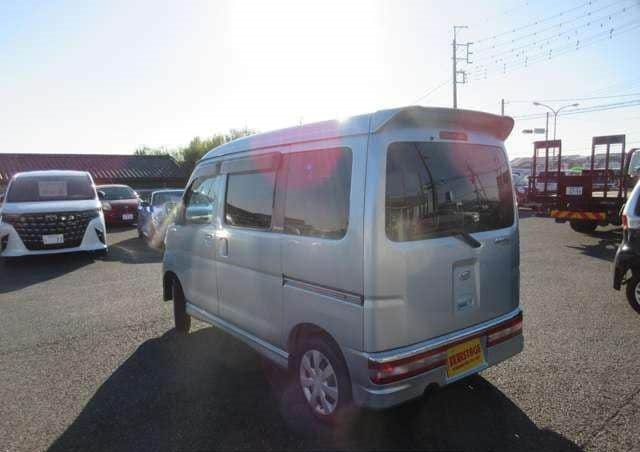
The 2005 DAIHATSU ATRAI WAGON 660 (660RS) is a compact kei-wagon designed for city use and light duty. Because kei-car generations, options, and regional specs vary, always verify your vehicle’s chassis/engine plate or the owner’s manual for exact specifications (for example, whether your engine uses a timing belt or timing chain, and the factory-recommended fluids). The checklist below provides practical maintenance tips, typical service intervals used by many owners, common faults to watch for, and suggested checks for long-term reliability.
Practical Maintenance Notes
Engine oil & filter: Use the grade recommended by the plate/manual. Oil quality and change frequency strongly affect longevity—many owners use synthetic oil for better high-temperature protection, particularly on turbo or high-revving kei engines.
Timing belt vs. timing chain: Some small DAIHATSU engines use timing belts and others use chains. If yours is a belt, replace it on the manufacturer’s schedule (or earlier if there are signs of wear). A failed timing belt can cause major engine damage.
Cooling system: Maintain coolant level and condition. Replace coolant per the manual and inspect hoses and the water pump for leaks and weeping.
Transmission: If you have an automatic or CVT, follow the specific fluid type and change intervals—CVTs are particularly sensitive to fluid condition. Manual gearboxes benefit from periodic fluid checks and clutch inspection.
Brakes & suspension: Inspect pads, rotors/drums, lines, and fluid. Small cars often see heavy stop-start use, so brake pad wear can be significant.
Rust prevention: Check the underbody, wheel arches, door sills, and rear floor for surface rust, especially if the car has lived in salted-winter climates.
Typical Service Intervals (Commonly Used Guidelines)
Intervals below are general guidance used by many owners. Always defer to the vehicle’s manual and adjust for driving conditions (short trips, heavy loads, extreme heat or cold).
Engine oil & filter: every 5,000–8,000 km (3,000–5,000 miles) for conventional oil; up to 10,000–12,000 km for high-quality synthetic, or every 6–12 months.
Air filter: inspect every 10,000 km; replace every 20,000–30,000 km or sooner in dusty conditions.
Spark plugs: replace every 30,000–40,000 km for standard plugs; 60,000–100,000 km for platinum/iridium types.
Coolant: flush/replace every 2–4 years (or per manual).
Brake fluid: replace every 2 years (hygroscopic fluid absorbs moisture and reduces boiling point).
Transmission fluid: auto/CVT: check manual—service often recommended every 40,000–60,000 km; manual gearbox: inspect and replace less frequently unless contaminated.
Timing belt: where applicable, typically every 60,000–100,000 km or every 4–6 years—verify exact interval for your engine.
Tire rotation & alignment: rotate every 5,000–10,000 km; alignment as required or if uneven wear occurs.
Common Issues and Things to Watch For
Oil consumption/leaks: Small, older engines can begin to leak from valve cover gaskets, oil pan gaskets, or seals. Monitor oil level frequently and investigate any sudden drops.
Overheating/coolant leaks: Radiator and hose deterioration or a failing water pump may appear after many years. Look for coolant stains under the car and check for milky oil (possible head gasket issue).
CVT issues (if equipped): Hesitation, juddering, or slipping can indicate the need for a fluid change or internal wear—use the correct CVT fluid and service intervals to reduce problems.
Ignition/electrical gremlins: Corroded ground points and aged connectors can cause intermittent faults—clean grounds and check battery/alternator condition.
Turbocharger wear (possible on RS or turbo variants): If your model has a turbo, watch for excessive oil consumption, smoke, or whine from the turbo—regular oil change discipline is critical.
Rust and body leaks: Doors, sliding door tracks, and tailgate seals can deteriorate—inspect seals and lubricate tracks to prevent water ingress and rust.
Suspension bushings & shocks: Noise over bumps, clunking, or a floaty ride suggests worn shocks or bushings—replace as a pair on each axle when needed.
Pre-Trip and Pre-Purchase Checklist
Confirm engine code and VIN plate to verify maintenance history and engine type (timing belt vs chain).
Check service records for timing belt changes, coolant and transmission services, and recent brake work.
Inspect for oil, coolant, and transmission fluid leaks; check under the car for stains.
Test drive at varied speeds—listen for unusual noises, check steering play, and watch temp gauge and oil pressure lamp behavior.
Check AC operation and compressor performance; inspect for weak cooling and refrigerant leaks.
Parts and Consumables Worth Keeping on Hand
Spare set of spark plugs (correct type), a replacement air filter, and a basic set of belts and hoses if you are in a rural area.
Correct-grade engine oil and a spare oil filter for emergency top-ups.
Brake fluid bottle and coolant of the specified type for your vehicle.
Basic gasket set and clamps for hose repairs, and a small toolkit for wheel changes and minor repairs.
Final thoughts
The 2005 DAIHATSU ATRAI Wagon 660 (660RS) is generally a simple, economical vehicle, but like any older car it benefits from consistent maintenance and attention to known weak points: oil and coolant system care, correct transmission/CVT servicing, and rust prevention. The most important single action owners can take is to confirm engine and chassis specs from the plate or manual (timing belt vs chain, fluid types) and follow the recommended service schedule. Regular inspections and timely replacements of wear items will keep the Atrai reliable and pleasant to drive for many years.
FAQs
Q: How often should I change the timing belt?
A: That depends on the engine variant. Some Daihatsu 660 engines use a belt while others use a chain. If your engine has a timing belt, typical replacement intervals are 60,000–100,000 km or every 4–6 years—check your plate/owner’s manual for the exact interval.
Q: Is synthetic oil recommended for this car?
A: Synthetic oil offers better high-temperature protection and longer change intervals, which can be beneficial—especially for turbo or high-revving variants. Use the viscosity and spec recommended in the manual.
Q: My Atrai has a CVT—any special advice?
A: CVTs require the correct CVT fluid and adherence to the manufacturer’s service intervals. Neglecting CVT fluid changes can lead to juddering and premature wear. Always use the specified fluid and consider professional service for the transmission.
Q: What are the most common expensive repairs to watch for?
A: Major costs often stem from timing belt failure (if fitted), turbocharger replacement on turbo models, head gasket issues from overheating, and transmission/CVT overhauls. Prevent these with timely maintenance.
Q: Where can I find the exact specs for my Atrai?
A: Refer to the vehicle’s owner’s manual, the chassis/engine plate under the hood, or a dealer service department. These sources list the engine code and recommended fluids and service intervals specific to your car.
The Daihatsu Atrai Wagon RS 2015 is a compact and versatile vehicle, making it particularly appealing for urban environments like those found in Uganda. Its smaller size and agile handling...
As an experienced car inspector in Uganda, I often encounter inquiries about the suitability of various vehicles for our unique road conditions. The 2021 Daihatsu Atrai presents an intriguing option...
The DAIHATSU ATRAI WAGON 660RS 2005 presents an intriguing option for navigating the diverse terrains of Uganda. Known for its compact size and affordability, this microvan is ideally suited to...
The Daihatsu Atrai RSLTDSA3 2018 model presents an intriguing option for the unique driving conditions in Uganda, where road quality can vary significantly. Known for its compact size and versatile...
Family owned dealership of new and pre-owned vehicles with several locations across the Uganda. Lowest prices and the best customer service guaranteed.
You're almost there, select at least one more to compare!
We use cookies to ensure that we give you the best experience on our website. If you continue to use this site we will assume that you are happy with it.
You can revoke your consent any time using the Revoke consent button.