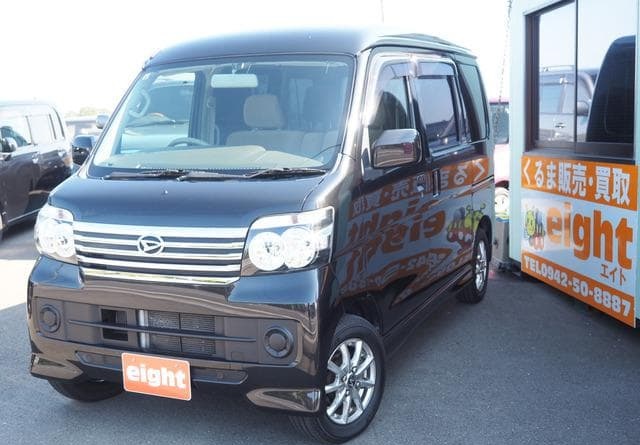
Below are concise, practical maintenance notes for a 2016 DAIHATSU ATRAI WAGON (kei‑car). These notes are written to help owners keep the vehicle reliable and safe while minimizing costs. If you want a printed checklist or a schedule tuned to kilometers vs miles, or to a turbo vs naturally aspirated model, tell me and I’ll tailor it.
Overview and general approach
The Atrai Wagon is a compact, lightweight kei‑car designed for urban use. Routine maintenance emphasizes frequent checks over long, infrequent services. Keep a simple log (date, odometer, service performed) and treat oil and filter changes, brakes, tyres, and cooling system as priorities. For vehicles used mainly for short trips, carry heavier emphasis on oil changes and battery health.
Recommended intervals (general guidance)
Every 5,000 km / 3,000 mi or 6 months: Engine oil and oil filter (more frequent in severe use).
Every 10,000–15,000 km / 6,000–9,000 mi: Air filter inspection, brake inspection, tyre rotation.
Every 24 months or 30,000–40,000 km: Coolant change and inspect hoses/belts.
Every 40,000–60,000 km: Spark plugs (NA engines), transmission fluid change if CVT/turbo care per manual.
Annually: Battery test, wiper blades, lights, and full brake system check.
Tip: The factory service manual lists exact intervals and fluid types; follow it when in doubt. If the car is turbocharged, expect somewhat tighter service intervals for oil and coolant.
Engine & oil
Use the oil grade specified in the owner’s manual (typically a 0W-20 or 5W-30 for modern kei engines depending on climate). Change the oil and filter every 5,000 km / 3,000 mi or every 6 months under normal use; shorten to 3,000 km / 1,800 mi for heavy idling or many short trips.
Check oil level monthly. Top up with the recommended grade.
Inspect for leaks around seals and the oil pan—older kei cars can develop small leaks at the valve cover or oil filter housing.
Turbo models: use high-quality synthetic oil and change at the shorter interval to protect the turbocharger.
Cooling system
Keep the cooling system in good condition to avoid overheating and cylinder head issues. Check coolant level monthly and inspect hoses for soft spots, bulges, or cracks.
Replace coolant every 2 years or per manual. Use the specified antifreeze mix.
Inspect the radiator and fan operation; clean debris from front grille areas to allow airflow.
Transmission & driveline
Many Atrai Wagons use small automatic or CVT gearboxes. Transmission condition is vital for a smooth driving experience.
Check the gearbox fluid level if the system allows; otherwise, follow scheduled fluid replacement intervals.
For CVT: follow the manual’s replacement schedule and avoid aggressive driving to extend belt/chain life.
Monitor for slipping or unusual noises; early attention prevents costly repairs.
Brakes
Brakes should be inspected at least every 10,000–15,000 km or annually and sooner if you notice reduced bite, noise, or a soft pedal.
Check pad thickness and rotor condition; replace pads before they reach minimum thickness.
Flush brake fluid every 2 years to prevent moisture buildup and corrosion in lines/calipers.
Tires, alignment & suspension
Tire condition heavily affects safety on a kei‑car. Keep pressures at recommended values and rotate tyres every 10,000–12,000 km.
Check tread depth and sidewall condition; replace tyres when cracking or uneven wear is present.
Inspect suspension components (bushings, struts) for leaks or wear. Replace worn parts to maintain handling.
Get wheel alignment if tyres show uneven wear or after hitting curbs/potholes.
Electrical & battery
Small engines and short trips can stress the charging system. Monitor battery health and keep terminals clean.
Test battery annually and replace if charging capacity is low.
Inspect alternator belts and charging output if accessories dim or warning lights appear.
Check lights, horn, and blower fan operation as part of yearly inspection.
Body, seals & rust prevention
Keep the underbody and wheel wells clean, especially if you drive in salted or coastal areas.
Check door seals for leaks and treat minor rust early with targeted rust-proofing or touch-up paint.
Keep drains (sunroof, cowl) clear to prevent water ingress into cabin electronics.
Turbo vs Naturally Aspirated — key differences
Turbo models: prioritize high-quality synthetic oil, shorter oil-change intervals, and careful warm-up/cool-down (avoid hard throttle immediately after cold start; let the engine idle briefly after driving to cool the turbo).
NA models: still require regular maintenance but are less sensitive to oil grade and can tolerate slightly longer intervals if driven gently.
Common minor issues to watch for
Excessive oil consumption or blue smoke — check piston rings and valve seals.
Small coolant leaks from hoses or radiator seams.
Worn door/liftgate struts — easy and inexpensive to replace.
Aggravated clutch or CVT wear if used for frequent stop-and-go or heavy loads.
Tools & supplies to keep on hand
Owner’s manual and a simple logbook.
Quality engine oil, spare oil filter, coolant, and brake fluid.
Basic tool kit, tyre pressure gauge, and a portable jump starter or jumper cables.
Final thoughts
Regular, simple inspections and timely fluid/part replacements will keep a 2016 DAIHATSU ATRAI Wagon dependable and economical. Prioritize oil changes, cooling system care, brakes, tyres, and battery health. Turbo variants require slightly tighter oil and cooling maintenance. Keep a short service log and address small issues early to prevent costly repairs. If you’d like a printable checklist, a kilometers-vs-miles service schedule, or a version specifically tailored for turbo or naturally aspirated models, tell me the exact preferences and I’ll create it.
FAQs
Q: How often should I change the oil if I only do short (<5 km) trips?
A: Short trips mean the engine rarely reaches full operating temperature and condensate can build up. Change oil every 3,000 km / 1,800 mi or every 3–4 months for such use. Consider a high-quality synthetic for better protection.
Q: Can I use any anti-freeze in the Atrai Wagon?
A: Use the coolant type recommended in the owner’s manual. Mixing incompatible antifreezes can cause gelling or corrosion. If you’re unsure, flush the system and replace with the specified fluid.
Q: Is CVT maintenance expensive?
A: CVT fluid changes can be pricier than conventional automatic fluid due to fluid type and procedure. However, following the manufacturer’s intervals avoids premature wear of belts/pulleys and prevents much higher repair costs.
Q: What signs indicate turbo trouble?
A: Excessive oil consumption, reduced power, whistling or grinding noises on boost, and blue smoke at acceleration are red flags. Address quickly to avoid major turbo or engine damage.
Q: Do I need to worry about rust on a kei-car?
A: Yes—lightweight cars can still rust, especially in coastal or salted-road regions. Regular washing, underbody cleaning, and treating chips early will extend the body life significantly.
If you want this converted into a one-page printable checklist or a mileage/kilometre-specific schedule for turbo vs NA models, tell me the units and whether your Atrai Wagon is turbocharged, and I’ll generate it.
The Daihatsu Atrai Wagon RS 2015 is a compact and versatile vehicle, making it particularly appealing for urban environments like those found in Uganda. Its smaller size and agile handling...
As an experienced car inspector in Uganda, I often encounter inquiries about the suitability of various vehicles for our unique road conditions. The 2021 Daihatsu Atrai presents an intriguing option...
The DAIHATSU ATRAI WAGON 660RS 2005 presents an intriguing option for navigating the diverse terrains of Uganda. Known for its compact size and affordability, this microvan is ideally suited to...
The Daihatsu Atrai RSLTDSA3 2018 model presents an intriguing option for the unique driving conditions in Uganda, where road quality can vary significantly. Known for its compact size and versatile...
Family owned dealership of new and pre-owned vehicles with several locations across the Uganda. Lowest prices and the best customer service guaranteed.
You're almost there, select at least one more to compare!
We use cookies to ensure that we give you the best experience on our website. If you continue to use this site we will assume that you are happy with it.
You can revoke your consent any time using the Revoke consent button.