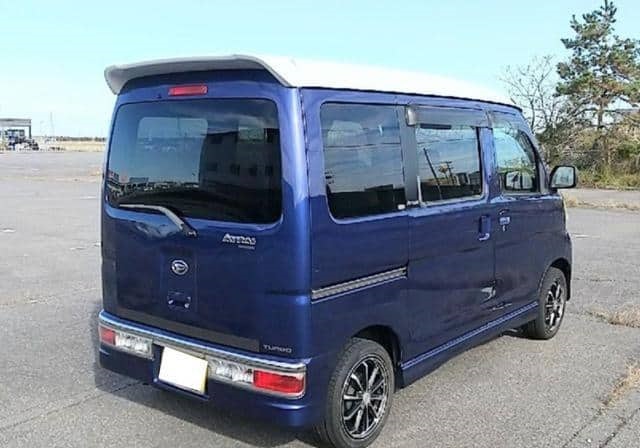
The 2008 DAIHATSU ATRAI WAGON is a compact, practical microvan often chosen for city driving, small business use, or as a frugal family vehicle. If you’re considering one on the used market, this guide walks you through what to check on trim, engine and vehicle history before you pay — plus test‑drive pointers and paperwork tips so you don’t get surprised after purchase.
Understand the Trim and Equipment
Trim levels and optional equipment on an Atrai Wagon can affect comfort, maintenance expectations and resale. Before you visit the seller, verify the advertised trim and what it includes.
Exterior features: Check for power or manual sliding doors, alloy wheels vs steel wheels, roof rails, and fog lamps. Sliding door mechanisms are a common wear point — make sure they open and close smoothly.
Interior trim: Look at seat upholstery condition, rear seat configuration (removable/folding), storage pockets and trim panels. Wear in common contact areas (driver’s seat bolster, steering wheel, shifter) should match the claimed mileage and age.
Convenience options: Confirm HVAC operation, power windows, central locking and any navigation or audio head unit. Some models offered 4WD as an option — test any 4WD switching system.
Safety and extras: Airbags, ABS, and any aftermarket additions. Check that airbags haven’t been deployed in a past accident.
What to Inspect on the Engine and Drivetrain
The Atrai Wagon is a small van — its engines and transmissions are compact but can be durable with proper care. Focus on signs of neglect, leaks, and unusual noises.
Verify engine type and displacement: Confirm the engine code and displacement on the vehicle papers or under the bonnet so you know what parts and service history to expect.
Oil and coolant condition: Fresh oil and correct level are good signs. Look for milky oil (coolant contamination) or coolant oil (head gasket issues). Check for leaks under the engine and around valve covers.
Running condition: On cold start, listen for long cranking, rattles, knocking or odd vibrations. A healthy engine should idle smoothly and respond cleanly to throttle inputs.
Transmission behavior: If automatic (common in microvans), shifts should be smooth without harsh engagements or slipping. If manual, clutch engagement point should be steady and gearbox free of crunching noises.
Suspension and steering: Listen for clunks over bumps and check for excessive play in the steering wheel. Ball joints, bushings and shock absorbers wear with age.
Exhaust and emissions: Excess smoke on start or at idle (blue/white/black) suggests oil burning, coolant burning, or rich running — have these diagnosed.
Check the Vehicle History Carefully
A clear and consistent history helps avoid costly surprises. Don’t rely on seller claims alone — ask for documentation and verify independently where possible.
Service records: Full service history is a major plus. Regular oil changes, belt/chain replacement and documented repairs indicate proper maintenance.
Accident and repair history: Look for mismatched paint, uneven panel gaps, replaced panels or overspray. A vehicle history report can confirm major accidents and title branding.
Odometer and use: Compare odometer readings with service stamps. Sudden drops or inconsistent entries can indicate tampering.
Flood, rust and corrosion: Inspect under the floor, wheel wells, door sills and around the rear hatch for rust or repairs from water damage. Rust in structural areas is a red flag.
Recall and warranty: Check manufacturer recall databases with the chassis/VIN to ensure any recall work was completed.
Test‑Drive Checklist
A careful test drive reveals how the vehicle performs in typical use. Aim for at least 15–20 minutes including city and open‑road driving.
Cold start: Start the car cold. Note how it starts, idle smoothness and any warning lights.
Drive different conditions: Try stop‑start urban driving, a steady highway speed and quicker acceleration. The vehicle should feel confident in all conditions.
Transmission test: For automatics, accelerate and immediately ease off — shifts should be smooth. For manuals, test clutch grab, smooth shifts and absence of gear grinding.
Braking and ABS: Brake from moderate speeds and listen for juddering or squeal. ABS should activate without pulsing the pedal uncontrollably.
Steer and suspension: Drive over rough surfaces to detect knocking, rattles or excessive bounce. Check straight-line tracking and return‑to‑center steering behavior.
Comfort and features: Test A/C, heater, vents, mirrors, power doors and any electronic features — these are often expensive to fix on older vehicles.
Paperwork and Pre‑Purchase Steps
Getting the right documents and doing a bit of due diligence can save you money and hassle. Make sure everything lines up before you hand over cash.
VIN and registration: Match the VIN on the vehicle to the registration and title. Confirm that the seller is the registered owner.
Service book and receipts: Review stamps and invoices for major services, timing belt/chain work, clutch or transmission repairs and scheduled maintenance.
Import documentation (if applicable): If the vehicle was imported, verify import papers, emissions certifications and compliance with local regulations.
Independent inspection: Consider a pre‑purchase inspection (PPI) by a mechanic familiar with kei vans or Japanese microvans. A professional inspection can reveal issues you’d miss visually or on a test drive.
Price and negotiation: Use any identified issues — tires, brakes, suspension, small repairs — to negotiate price or ask the seller to complete repairs before sale.
Tip: Small vans like the Atrai often have high utility but modest margins — if maintenance history is sparse or the price looks too good to be true, budget for a professional check or assume immediate servicing costs.
Final thoughts
Buying a 2008 DAIHATSU ATRAI Wagon can be a smart choice if you focus on trim verification, a thorough engine and drivetrain inspection, clear vehicle history, a methodical test drive and complete paperwork. Prioritize service records, check for rust and flood damage, verify VIN and ownership, and consider an independent mechanical inspection. With careful inspection and the right documentation, you can find a reliable, economical microvan that suits city duty, cargo runs or compact family transport.
FAQs
Q: What are the most common problems to watch for?
A: Look for oil leaks, worn suspension components, sticky sliding doors, transmission roughness and rust in undersides and wheel arches. Check HVAC functionality and electrical issues from age.
Q: Should I be worried about the small engine size?
A: The compact engine is appropriate for city and light-load use. Expect modest power and excellent fuel economy. If you need frequent highway runs or heavy loads, evaluate if the engine meets your needs.
Q: Is a pre‑purchase inspection necessary?
A: Highly recommended. A qualified mechanic can detect issues that aren’t obvious on a short test drive and give you leverage in negotiation.
Q: How important are service records?
A: Very. Regular maintenance history is one of the best predictors of future reliability. Missing records don’t automatically mean trouble, but they increase risk.
Q: Can I import a 2008 Atrai Wagon?
A: Import rules vary by country. If importing, check emissions, safety compliance, import duties and documentation requirements before buying — and verify the vehicle’s import papers.
Q: What price should I expect to pay?
A: Prices vary by condition, mileage, country and trim. Research local market listings, factor in expected repairs and use inspection findings to negotiate a fair price.
The Daihatsu Atrai Wagon RS 2015 is a compact and versatile vehicle, making it particularly appealing for urban environments like those found in Uganda. Its smaller size and agile handling...
As an experienced car inspector in Uganda, I often encounter inquiries about the suitability of various vehicles for our unique road conditions. The 2021 Daihatsu Atrai presents an intriguing option...
The DAIHATSU ATRAI WAGON 660RS 2005 presents an intriguing option for navigating the diverse terrains of Uganda. Known for its compact size and affordability, this microvan is ideally suited to...
The Daihatsu Atrai RSLTDSA3 2018 model presents an intriguing option for the unique driving conditions in Uganda, where road quality can vary significantly. Known for its compact size and versatile...
Family owned dealership of new and pre-owned vehicles with several locations across the Uganda. Lowest prices and the best customer service guaranteed.
You're almost there, select at least one more to compare!
We use cookies to ensure that we give you the best experience on our website. If you continue to use this site we will assume that you are happy with it.
You can revoke your consent any time using the Revoke consent button.