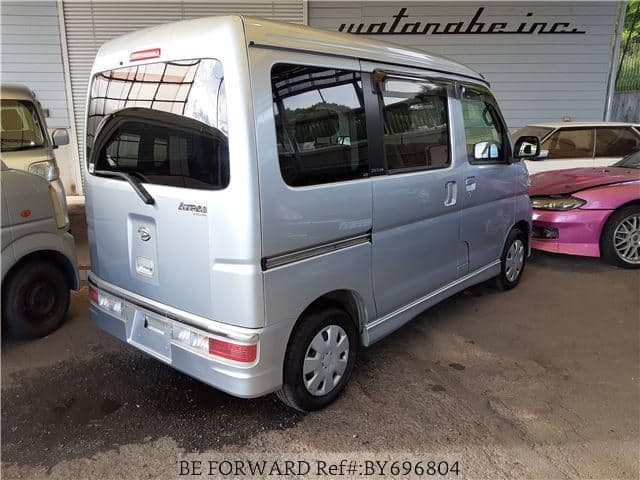
Importing a used Japanese mini-van like the 2014 DAIHATSU ATRAI R to Uganda can be a cost‑effective way to get a reliable, fuel‑efficient vehicle. However, there are several administrative, logistical and technical steps to get right to avoid delays, unexpected costs or seizures at the border. This guide outlines the key steps, required paperwork, common pitfalls and what to avoid so you can import confidently.
1. Preliminary research and vehicle selection
Confirm the exact model: the DAIHATSU Atrai R (Atrai Wagon/kei-van variant) often originates from Japan and is typically right-hand drive — compatible with Uganda’s left‑side driving. Check engine size, VIN (chassis number) and year (2014 in this case).
Decide where to buy: reputable sources include Japanese auction houses and exporters (e.g., USS, Aucnet, large exporters like BE FORWARD, SBT, CarFromJapan), specialist dealers in UAE, or established online brokers. Prioritise sellers who provide clear photos, inspection reports and full export paperwork.
Get a pre-purchase inspection: if possible, commission an independent inspection (JEVIC, SGS or an experienced exporter’s inspection report) to check for accident history, rust, flood damage and odometer tampering.
2. Required paperwork (what you must obtain)
Documentation is critical for clearance in Uganda. Ensure you receive originals or certified copies where required:
Commercial invoice (showing seller, buyer, price and vehicle details).
Bill of Lading (B/L) or RoRo discharge note — issued by the shipping line.
Original Japanese registration or export certificate (to verify ownership and that the car is legally exported).
Certificate of Origin (if applicable), packing list and any pre-shipment inspection certificate.
Proof of payment and a copy of the purchase contract.
Vehicle identification details: VIN/chassis no., engine number, model code.
Insurance cover note for transit (marine insurance recommended).
On arrival you will need to submit documents to your clearing agent and Uganda Revenue Authority (URA). You may also need additional certificates for emissions, especially if the vehicle has modifications.
3. Shipping options and common routes
Choose RoRo (roll-on/roll-off) for lower cost or container shipping for greater protection and if importing parts or multiple vehicles.
Typical arrival ports for Uganda-bound vehicles are Mombasa (Kenya) or Dar es Salaam (Tanzania) — the vehicle is then transported by road or cleared through the border to Uganda. Some consignments can be cleared at inland container depots depending on your arrangement with the shipping line and clearing agent.
Factor inland transport, transit insurance, handling charges and any container return fees into your budget.
4. Customs clearance and taxes
Customs clearance in Uganda is handled by URA. Key points:
Hire an experienced licensed customs clearing agent who handles vehicle imports regularly. They will prepare the import declaration forms and calculate duty and taxes.
Be prepared to pay import duties, VAT, excise duty and other levies. Rates depend on the vehicle’s classification, engine size, year and CIF (Cost, Insurance, Freight) value. VAT in Uganda is commonly applied on the import value plus duty (confirm current rates with URA).
Undervaluing a vehicle is a serious risk — URA uses declared CIF values and may reassess by using reference pricing or inspect the vehicle. Always declare the true purchase price and supporting documents.
5. Registration and roadworthiness
After customs clearance and payment of fees:
Complete the vehicle inspection and roadworthiness checks required by Uganda (this often includes matching VINs and verifying condition).
Register the vehicle with the relevant transport authority and obtain a Ugandan registration number and number plates. You may need to present certified copies of all import documents at registration.
Arrange local insurance before driving the car on public roads.
6. Common pitfalls and what to avoid
Avoid buying without full documentation: never pay in full to an unknown seller before they provide a clean invoice, export certificate and title evidence.
Don’t skip inspections: flood-damaged or salvaged cars can cost far more in repairs than savings at purchase. Use independent inspections and request full history.
Watch for hidden costs: freight, port handling, clearing agent fees, storage at port, road transport and taxes can add substantially to the landed cost.
Beware of undervaluation schemes: they can lead to heavy fines, seizure and legal trouble.
Avoid unlicensed or inexperienced clearing agents — mistakes in paperwork cause delays and extra costs.
Consider parts availability: Daihatsu Atrai parts may be less common than TOYOTA or NISSAN parts in Uganda — ensure you can source key spares or aftermarket equivalents.
Estimated timeline and budgeting tips
From purchase to plates, expect 4–8 weeks typically (auction processing, shipping, port handling and customs). Budget the vehicle purchase, shipping (RoRo or container), marine insurance, port/handling charges, clearing agent fees and all customs duties/taxes. Always keep a contingency for inspection issues or delays.
Final thoughts
Imported correctly, a 2014 Daihatsu Atrai R can be a practical, economical choice for urban delivery, family use or small-business transport in Uganda. The keys to success are buying from reputable exporters, obtaining comprehensive documentation and inspection, using an experienced clearing agent, and budgeting realistically for all taxes and fees. Do your homework on the vehicle’s condition, confirm current URA requirements and rates before purchase, and avoid shortcuts that save money upfront but cost far more later.
FAQs
Q: Is a 2014 Daihatsu Atrai R allowed into Uganda?
A: Generally yes, but acceptance depends on meeting URA and roadworthiness requirements. Confirm there are no age or technical restrictions at the time of import and ensure you have full export documentation.
Q: Which port is best for shipping to Uganda?
A: Mombasa (Kenya) is the most commonly used port due to established road and clearing routes to Uganda. Dar es Salaam is an alternative depending on cost and transit arrangements. Choose based on shipping rates, transit time and your clearing agent’s expertise.
Q: How much will import duties cost?
A: Duties and taxes depend on the CIF value, vehicle type, engine size and age. VAT and excise duties may apply. Consult URA or your clearing agent for an up‑to‑date estimate before purchase.
Q: Do I need a local clearing agent?
A: Yes — a licensed clearing agent experienced with vehicle imports will simplify documentation, calculate duties, liaise with URA and handle customs clearance.
Q: What shipping method should I choose — RoRo or container?
A: RoRo is cheaper for single vehicles and straightforward cargo. Container shipping offers more protection (good if the car is in poor condition or you’re shipping parts). Compare costs and insurance implications.
Q: How can I avoid buying a flood-damaged vehicle?
A: Use independent inspection reports, request detailed photos including undercarriage and interior, ask for a clear export certificate and, if available, a vehicle history check. Avoid vehicles with inconsistent documentation or sellers unwilling to provide evidence.
Final reminder: regulations and tax rates change. Before purchase, confirm all current requirements with Uganda Revenue Authority, the Ministry of Works and Transport or a trusted customs clearing agent.
The Daihatsu Atrai Wagon RS 2015 is a compact and versatile vehicle, making it particularly appealing for urban environments like those found in Uganda. Its smaller size and agile handling...
As an experienced car inspector in Uganda, I often encounter inquiries about the suitability of various vehicles for our unique road conditions. The 2021 Daihatsu Atrai presents an intriguing option...
The DAIHATSU ATRAI WAGON 660RS 2005 presents an intriguing option for navigating the diverse terrains of Uganda. Known for its compact size and affordability, this microvan is ideally suited to...
The Daihatsu Atrai RSLTDSA3 2018 model presents an intriguing option for the unique driving conditions in Uganda, where road quality can vary significantly. Known for its compact size and versatile...
Family owned dealership of new and pre-owned vehicles with several locations across the Uganda. Lowest prices and the best customer service guaranteed.
You're almost there, select at least one more to compare!
We use cookies to ensure that we give you the best experience on our website. If you continue to use this site we will assume that you are happy with it.
You can revoke your consent any time using the Revoke consent button.