

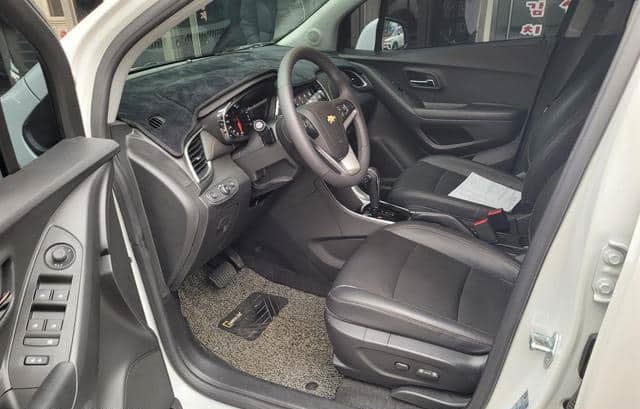
The 2021 CHEVROLET TRAX is a subcompact crossover aimed at buyers who want a small, city-friendly SUV with a higher driving position and good fuel economy.
If you’re shopping used, this guide covers trims and engine details, what to inspect before you pay, how to review the car’s history, red flags to watch for,
plus negotiation and test-drive tips to help you buy with confidence.
Trims and Powertrain Overview
The 2021 Trax lineup typically includes these trims: LS, LT, ACTIV, and RS. Each trim level varies in standard equipment and available features:

- LS — Base model with essential equipment: cloth seats, basic infotainment, and standard safety features.
- LT — Adds convenience and comfort options such as upgraded infotainment, brighter wheels, and available driver aids.
- ACTIV — Styling-focused with unique exterior trim and sometimes extra traction or AWD availability.
- RS — Sporty appearance package with darker trim elements and sport-inspired accents.
Engine and drivetrain: most 2021 Trax models are powered by a turbocharged 1.4-liter four-cylinder engine producing around 138 horsepower and roughly 148 lb-ft of torque,
paired with a 6-speed automatic transmission. Front-wheel drive is common; all-wheel drive (AWD) was available on select trims. Expect city/highway fuel economy around the mid-20s to low-30s mpg, depending on drivetrain and driving.
What to Check Before You Pay
Before committing, run through a thorough checklist to uncover issues and build your bargaining case.
Exterior and Body
- Inspect panel gaps and paint consistency for signs of repairs or bodywork.
- Look for rust, especially around wheel wells, door bottoms, and undercarriage.
- Check headlights, taillights, and lens clarity—fogged or cloudy lenses reduce visibility.
Interior and Electronics
- Test infotainment, Bluetooth, USB ports, HVAC (A/C and heater), seat adjustments, and all switches.
- Inspect seats and carpeting for stains, dampness, or a musty smell (could be water damage).
- Verify the backup camera and parking sensors work if equipped.
Mechanical
- Check under the hood for leaks, cracked hoses, worn belts, and visible oil or coolant residue.
- Look under the car for fluid leaks and uneven wear or damage to the exhaust.
- Inspect tires for even wear; uneven wear can indicate alignment or suspension problems.
Test Drive Checklist
- Cold start: listen for unusual noises (clanks, knocks, excessive ticking). Note how it idles and whether warning lights appear.
- Acceleration: check for smooth delivery from the turbo; watch for lag, hesitation, or jerky shifts from the transmission.
- Braking: test for pull to one side, vibration, or spongy pedal feel.
- Steering and suspension: drive on rough and smooth roads to detect clunks, excessive body roll, or wandering.
- AWD test (if equipped): on a safe, low-traction surface or gentle gravel, verify the system engages without abnormal noises.
How to Review the Car’s History
A vehicle history check is essential. Use the VIN (Vehicle Identification Number) to pull records from multiple sources:

- Title and branding: Confirm a clean title and watch for salvage, rebuilt, flood, or branded titles that dramatically reduce value and can signal past major damage.
- Vehicle history reports: Services like CARFAX and AutoCheck summarize accident history, odometer readings, registration changes, and reported repairs.
- Recall check: Look up open recalls at the NHTSA website or GM’s recall portal and ensure necessary repairs were completed.
- Service records: Prefer cars with consistent maintenance records (oil changes, scheduled services). A lack of records doesn’t automatically disqualify a car but increases uncertainty.
- Mechanic inspection: Always consider paying for a pre-purchase inspection by an independent mechanic familiar with GM small-turbo engines.
Red Flags to Watch For
Some specific problems and warning signs should prompt caution or walking away:
- Inconsistent paint or mismatched panel gaps: Evidence of repairs after a collision.
- Flood or water damage: Musty odors, water stains, corrosion in the trunk or under seats, and fogged instrument clusters.
- Repeated mechanical problems: Multiple unrelated repairs or persistent check-engine lights mean the car may be trouble-prone.
- Transmission issues: Harsh, delayed, or slipping shifts—especially under load—are expensive to diagnose and repair.
- Turbocharger or ignition problems: Excessive smoke, loss of power, misfires, or persistent boost-related error codes.
- Odometer discrepancies: Mismatched service records or electronic history versus displayed miles.
Negotiation and Buying Tips
- Use the vehicle history report and inspection findings to negotiate a lower price or have the seller remedy problems before sale.
- Compare private sale prices versus dealer listings; certified pre-owned (CPO) examples carry a premium but may include extended warranty and inspection.
- Know typical market value using guides like Kelley Blue Book, Edmunds, or local listings for similar mileage and trim.
- If buying privately, meet in a safe public location, confirm the seller’s identity and title paperwork, and never accept verbal promises—get everything in writing.
Final thoughts
The 2021 CHEVROLET Trax can be a practical, economical choice in the subcompact SUV segment if you pick the right example. Focus on verifying the VIN history, confirming no serious collision or flood damage, and doing a diligent mechanical and test-drive inspection—especially checking the turbo and transmission performance. Certified pre-owned units or cars with full service records provide the most peace of mind, but a clean private-sale Trax can also be a great value if it passes inspection and the price reflects its condition.
FAQs
Is the 2021 Chevrolet Trax reliable?
Many owners find the Trax to be reasonably reliable for city driving. Reliability hinges on how well previous owners maintained routine service and whether the vehicle has experienced significant issues (e.g., accidents, flood). Always review maintenance history and consider a mechanic’s inspection.

What are common problems with the Trax?
Common used-car issues include routine wear (brakes, tires), occasional transmission hesitation, and issues related to turbocharged engines such as boost-related faults or ignition/coils. None are universal—prior maintenance affects likelihood.
Do Trax models have AWD and is it worth it?
AWD was available on some 2021 trims. AWD helps in snow and poor traction, but it typically reduces fuel economy and increases maintenance costs. Choose AWD if you regularly drive in winter or on rough roads.
How many miles are too many for a Trax?
There’s no single cutoff; condition and maintenance matter more than mileage. Well-maintained Trax vehicles with 100k+ miles can be fine, but expect more wear items and potential repairs as mileage increases.
Should I get a pre-purchase inspection?
Yes—an independent pre-purchase inspection is highly recommended. It can reveal hidden problems, verify repairs, and provide leverage during negotiations.


