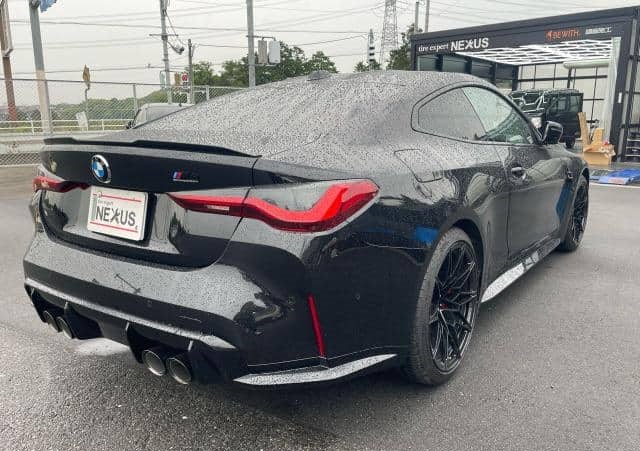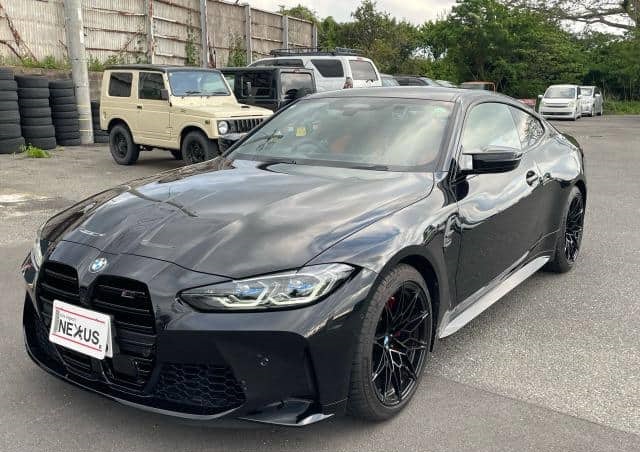
BMW M models in 2024 continue to attract buyers who want performance without losing everyday usability. They combine potent engines, sharpened chassis tuning, and distinctive styling. Below is a concise, practical guide compiled from owner reports and real‑world use—what owners praise, what they grumble about, and concrete tips for buying and day‑to‑day living with an M car.
What owners commonly like
- Performance and throttle response: Turbocharged engines, often paired with quick dual‑clutch or intelligent automatic gearboxes, deliver strong acceleration and accessible power across the rev range.
- Chassis balance and steering: Owners often praise the responsive steering and composed handling—M cars feel planted and communicative whether in daily driving or on a twisty road.
- Adaptive suspension and drive modes: The ability to toggle between comfort and track‑focused settings makes many M models surprisingly livable as daily drivers.
- Braking performance: High‑performance brakes (and optional carbon‑ceramic units) provide confidence and repeatable stopping power, which owners appreciate for spirited driving and track days.
- Distinctive styling and presence: The aggressive bumpers, wider fenders, and M badging give these cars a strong visual identity that owners enjoy.
- Technology and driver aids: Modern infotainment, driver assistance features, and configurable M Drive profiles let owners tailor the car to their preferences.
What owners commonly complain about
- Firm ride quality: Even in comfort mode, many M models can feel stiff—especially with larger wheel and tire packages—leading some owners to seek softer suspension setups for daily commuting.
- Running and maintenance costs: Higher-grade tires, premium fuel requirements, brake pad and rotor wear, and more frequent service intervals increase ownership cost compared with non‑M BMWs.
- Infotainment quirks and software updates: Some owners report occasional software bugs, confusing menu structures, or connectivity issues that require dealership software updates.
- Visibility and parking in sportier body styles: Low rooflines, big rear spoilers, and thick rear pillars can limit rear visibility; parking sensors and cameras help but don’t always fully compensate.
- Expensive options and cost creep: The base price can climb rapidly as buyers tick desirable options like carbon buckets, upgraded brakes, special paint, and driver assistance packages.
- Heavier than expected: Modern safety and electronics add weight; some owners feel older, lighter M cars had a more visceral connection.
Real‑world tips if you’re buying
- Test multiple configurations: Drive the car in its different suspension and drivetrain variants (RWD vs xDrive, manual vs automatic, adaptive vs fixed damping). What’s perfect on paper may not suit your daily routine.
- Check the option list carefully: Options like carbon ceramic brakes, carbon exterior packages, or forged wheels are expensive to replace. Decide which items you really need—some look great but don’t add value in routine use.
- Inspect brake and tire condition: High‑performance pads and tires wear faster. On used cars, check for uneven wear, glazing, and brake rotor condition; track use accelerates wear dramatically.
- Ask for detailed service and track history: A car that’s been tracked should have evidence of upgraded cooling, fresh fluids, and documented maintenance. Avoid cars with unknown or poorly documented track histories.
- Consider certified pre‑owned (CPO) or extended warranty: CPO helps mitigate repair costs and provides peace of mind. Extended coverage is worth considering given high component costs.
- Budget for tires, brakes, and insurance: Expect higher annual running costs. Get insurance quotes before buying—performance models often carry steep premiums.
Real‑world tips for living with an M model
- Rotate tires and monitor pressures: High performance tires are sensitive to pressure and alignment. Regular rotation prolongs life and keeps handling predictable.
- Use the right fuels and fluids: Follow BMW recommendations for octane and service fluids to avoid knocking and to protect turbocharged engines.
- Warm‑up and cool‑down habits: Give the engine a moment to warm before hard driving and allow the cooling system to do its work after spirited sessions—this reduces stress on turbochargers and oil systems.
- Prepare if you want to track: Add better brake pads, upgraded coolant, a dedicated track alignment, and fresh tires. Avoid pushing OEM parts to their limit without upgrades.
- Protect the exterior and key surfaces: Ceramic coatings, paint protection film, and good care for carbon trim reduce wear and help maintain resale value.
- Learn the electronics and M Drive: Spend time customizing M Drive profiles and warming up to the various driver aids—knowing what each setting does will make every drive safer and more enjoyable.
Final thoughts
2024 BMW M models deliver strong performance, high‑quality driving dynamics, and a distinct character that attracts enthusiasts and daily drivers alike. The tradeoffs—firmer ride, higher running costs, and occasional software quirks—are real but manageable with the right buying decisions and maintenance habits. If you prioritize driving feel and are willing to budget for upkeep, an M can be a very rewarding ownership experience. If you want lower cost and softer daily manners, consider tuned M Performance trim or a non‑M BMW as an alternative.
Frequently Asked Questions (FAQs)
- Q: Are 2024 M models reliable?
- A: Reliability varies by model and how it’s driven. Modern M cars are generally well‑built, but complexity (turbochargers, electronics) raises the cost and frequency of repairs versus simpler cars. Regular maintenance and proper care are key.
- Q: Is a manual gearbox worth it?
- A: If you value engagement and plan spirited road driving, a manual can be immensely rewarding. For track use or daily commuting, modern automatic or dual‑clutch gearboxes typically offer faster shifts and better lap times.
- Q: Can I use an M model as a daily driver?
- A: Yes—many owners daily their M, especially those with adaptive suspension and less aggressive wheel/tire setups. Expect firmer ride and increased fuel and maintenance costs compared with non‑M models.
- Q: How much more will tires and brakes cost?
- A: High‑performance tires and brake pads rotors can cost 2–4x more than economy car parts. Budget accordingly—many owners replace tires annually or semi‑annually depending on use.
- Q: Should I buy new or used?
- A: New offers the latest features and warranty; used can deliver significant savings. If buying used, prioritize vehicles with full service records and a clean history, and consider CPO for added protection.
- Q: Any must‑do modifications?
- A: Mods depend on goals. For track use, cooling, brake, and tire upgrades are high priority. For daily use, a mild exhaust, alignment tweaks, or softer springs can improve comfort without compromising reliability.