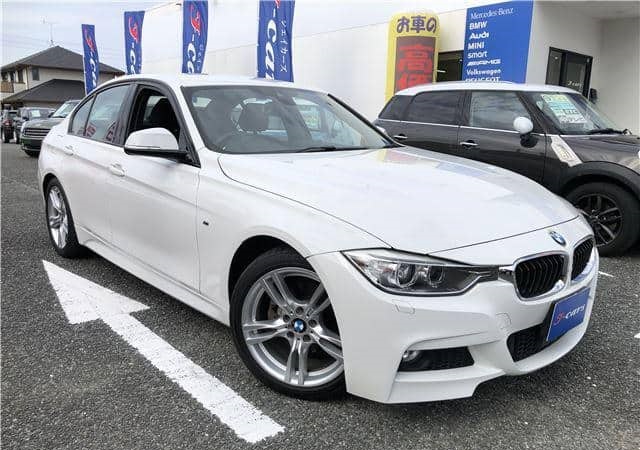
This overview focuses on what owners typically like about the 2015 BMW 3 SERIES (F30 generation), common complaints and weak points to watch for, and realistic, actionable tips for buying and owning one.
Why owners like the F30 (what stands out)
Balanced driving dynamics: The F30 is widely praised for its chassis tuning and steering feel. It delivers a blend of agility and comfort that many consider the benchmark in its segment.
Comfortable, supportive seats:BMW’s seat design is often singled out for long-distance comfort and good lateral support for spirited driving.
Efficient, punchy engines: Turbocharged four- and six-cylinder engines (notably the 2.0L N20/N26 in 328i and the 3.0L N55 in 335i) offer strong performance with good fuel economy in normal driving.
Refined interior and tech: The cabin is ergonomically laid out and the iDrive system (especially with later software) is functional. Available options like Harman/Kardon audio, navigation, and driver assists add to usability.
Practicality: The sedan body provides a usable trunk and reasonable rear seat space for a compact executive car.
Common complaints and known weak points
Like any popular German car, the F30 has some recurring issues reported by owners. Many are manageable if you know what to check before purchase.
Oil leaks (valve cover, oil filter housing): Oil seepage from gaskets and the oil filter housing is commonly reported and can lead to buildup or potential degradation of nearby components if not addressed.
Cooling-system parts: Electric water pumps, thermostats and plastic coolant expansion tanks can fail on turbo BMWs from this era. Replacement is not uncommon and can be moderately costly.
Timing chain/tensioner concerns (N20): Some N20 2.0L turbo engines have had timing chain and tensioner issues on high-mileage examples. Records of any updated parts or repairs should be checked.
Carbon buildup on intake valves: Direct-injection engines (especially turbocharged) can suffer intake-valve carbon buildup over many miles; walnut blasting or intake cleaning may be required around 60k–100k miles depending on use.
Electronics and infotainment quirks: iDrive glitches, sensor faults, or random error codes appear occasionally—often resolved with software updates or module replacements.
Firm ride and road noise: Some owners find the suspension on sport-equipped cars firm for daily driving; worn bushings and mounts can amplify noise and vibration as cars age.
Higher maintenance costs: Routine services, OEM parts, and repairs at dealerships or specialists tend to cost more than mainstream brands.
Realistic tips for buying and owning a 2015 F30
Before you buy
Get a pre-purchase inspection (PPI): Use a BMW specialist or an experienced independent shop. A PPI should include a road test, diagnostic scan for stored codes, oil condition check, and a visual inspection for leaks and rust.
Review service history: Prefer cars with documented, regular oil changes and service performed by dealers or BMW specialists. Confirm whether common preventative parts (water pump, thermostat, oil filter housing gasket) have been replaced.
Ask about software and recall work: Check that any outstanding recalls or software updates have been completed. Ask if the engine control unit (DME) has had relevant updates.
Focus on known weak areas: Inspect for oil leaks around valve cover and oil filter housing, engine mounts slop, and any signs of coolant leaks.
Transmission check: Verify smooth shifts and request service records for transmission fluid changes if available. The ZF 8HP is robust if serviced appropriately.
Owning and maintenance advice
Follow a strict oil-change schedule: Use the recommended oil spec and change intervals. Good oil and timely changes help reduce risk of timing-chain/tensioner problems on some engines.
Watch the cooling system: Consider replacing electric water pump and thermostat proactively if the car has high miles and no records of replacement.
Plan for carbon cleaning: If the car is direct-injected and has high miles or rough idle, budget for an intake-valve cleaning service (walnut blasting) to restore performance.
Use a trusted independent shop: Independent BMW specialists can provide dealer-level work for less cost; build a relationship and keep good service records.
Keep an emergency fund: Even well-maintained F30s can need expensive parts (turbo, fuel pump, major sensors). An ownership buffer of a few thousand dollars is wise for unexpected repairs.
Value and ownership outlook
As a 2015 model, the F30 can be an excellent value for enthusiasts and buyers wanting a sporty, premium compact sedan without new-car pricing. Depreciation has reduced the purchase price compared with new, but maintenance and repair costs are above average. If you buy a well-kept example with a documented history and do preventative maintenance, the F30 rewards with sharp driving dynamics and comfort for many miles.
Final thoughts
The 2015 BMW 3 Series (F30) remains a compelling choice if you want driver-focused dynamics, refined engines, and a premium interior. The trade-off is higher maintenance costs and a handful of recurring mechanical and electronic issues typical for turbocharged BMWs of this era. A careful pre-purchase inspection, attention to documented maintenance, and proactive replacement of vulnerable components will greatly improve your ownership experience. For buyers patient about research and willing to budget for upkeep, the F30 delivers a driving experience that justifies its premium.
FAQs
Is the 2015 BMW 3 Series reliable?
Reliability is generally good if the car has been properly maintained. Known weak points (oil leaks, cooling components, N20 timing chain items) make a thorough PPI and service history essential. Many owners have trouble-free ownership when issues are addressed early.
What should I prioritize in a pre-purchase inspection?
Check for oil and coolant leaks, scan for stored fault codes, verify transmission shift quality, inspect suspension bushings and mounts, review oil condition, and confirm if common maintenance items (water pump, thermostat, oil filter housing gasket) have been replaced.
Are the turbo four- and six-cylinder engines expensive to maintain?
They can be more costly than naturally aspirated engines due to components like turbochargers, high-pressure fuel pumps, and direct-injection related maintenance. Regular oil changes and preventative care reduce long-term costs.
How many miles is too many?
There’s no strict cutoff—well-maintained F30s can exceed 200k miles. Focus on maintenance records, condition, and whether major preventative work has been done rather than just odometer reading.
Should I buy an extended warranty?
If you’re risk-averse and buying an out-of-warranty example, a comprehensive extended warranty from a reputable provider can be worth the cost, especially given the potential expense of repairs on complex systems.
Actual numbers vary by engine (N52 328i, N54 335i, diesel 335d), transmission (manual vs automatic), mileage, condition and country. Below are typical U.S. dollar ranges and real‑world examples to help...
This guide covers practical maintenance, common weak points, and useful upgrades for a 2013 BMW 3 SERIES (F30/F31 generation). It’s focused on longevity, avoiding expensive failures, and sensible upgrades that...
The performance of the 2012 BMW 3 Series in Uganda’s diverse road conditions is a topic of considerable interest for both enthusiasts and potential buyers. Known for its engineering excellence,...
As an experienced car inspector in Uganda, I’ve seen a diverse range of vehicles and their capabilities on our unique roads. When considering the BMW 3 Series Cabriolet 2010, it’s...
Family owned dealership of new and pre-owned vehicles with several locations across the Uganda. Lowest prices and the best customer service guaranteed.
You're almost there, select at least one more to compare!
We use cookies to ensure that we give you the best experience on our website. If you continue to use this site we will assume that you are happy with it.
You can revoke your consent any time using the Revoke consent button.