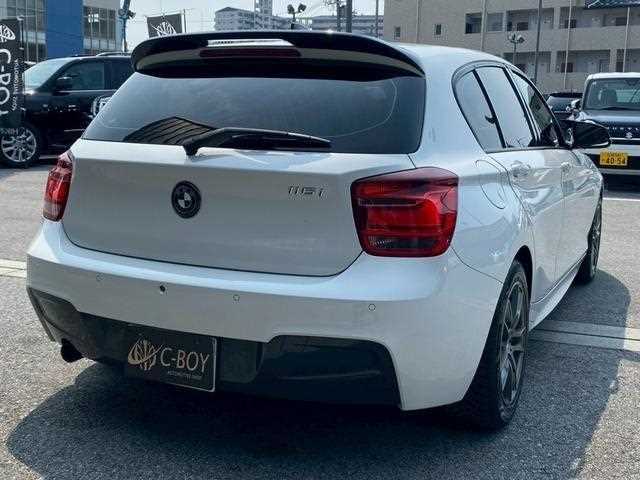
Importing a used BMW 1 SERIES (2014) into Uganda can give you great value if you plan carefully. Below is a practical, step‑by‑step guide covering what to check before buying, where to source the car, shipping and clearance basics, and common pitfalls to avoid. Always confirm current Ugandan regulations and tariffs with the Uganda Revenue Authority (URA) or a licensed clearing agent before finalizing any purchase.
1. Preliminary research and planning
Decide your budget: include purchase price, shipping, insurance, port and clearance fees, import duties/VAT, inland transport to Kampala, and any repairs or registration costs.
Check regulations: confirm any age limits, emissions/inspection requirements, and documentation requirements with URA and the Ministry of Works or relevant agencies.
Choose a sourcing region: Japan, the UK, Germany and other EU countries are common suppliers of used BMWs. Japan is popular for low-mileage imports; the UK and Germany provide a large selection but may be left- or right-hand drive depending on the model year.
2. What to check before buying
Before paying, verify the following thoroughly:
Vehicle Identity: confirm VIN/chassis number, engine number and matching documentation (title, logbook or export certificate).
Ownership history and title status: ensure the car is not stolen, has no outstanding liens, and the seller can provide clear title.
Service and accident history: request maintenance records and a history report (Carfax, HPI, JEVIC, or Japanese auction sheets).
Odometer verification: look for signs of tampering—service stamps and history should support the stated mileage.
Mechanical inspection: arrange an independent inspection or hire a local inspection firm in the export country. For BMW 1 Series, check timing chain/belt history, turbo condition (if petrol), suspension, and electronics (ECUs, iDrive, airbag lights).
Rust and corrosion: underbody and wheel arches should be checked—coastal imports can be salt-exposed.
Parts and specification: confirm spare part availability and compatibility with Ugandan market fuel and electrics.
3. Where to buy
Common options and pros/cons:
Auction houses (Japan, UK): large selection and often lower prices; require careful inspection and sometimes agent assistance to bid and handle export paperwork.
Specialist exporters and dealers: easier buying process, bundled services (inspection, shipping, clearance) but higher markup.
Online marketplaces (mobile.de, Autotrader, Goo-net, tradecarview, Copart for salvage): wide reach but higher risk—use escrow/payment protection.
Direct private sellers: possible bargains, but demand extra due diligence on documents and condition.
4. Purchase and payment
Negotiate price including export prep and documentation.
Use secure payment methods: bank transfer to verified business accounts or escrow services for auctions; avoid sending money to unknown personal accounts.
Get a written sales contract detailing price, VIN, delivery terms, and responsibilities for shipping and damage.
5. Shipping and transit basics
Common shipping options and considerations:
RoRo (roll-on/roll-off): typically cheaper for standard cars, but fewer protections vs containers.
Container shipping: more expensive, offers better protection, useful if shipping parts or personal effects with the car.
Port of entry: Uganda is landlocked—most used car imports arrive via the Port of Mombasa (Kenya) or Dar es Salaam (Tanzania) and are transported by road to Uganda.
Transit and inland transport: plan for bonded transit, transit insurance, and trucking charges to Kampala or your final destination.
6. Clearance basics in Uganda
Clearance will require supporting documents and payment of duties/fees. Key points:
Documents typically needed: original bill of lading (or sea waybill), original invoice, export certificate, vehicle title/logbook, packing list, and insurance policy.
Duties and taxes: import duty, VAT, and possibly excise or environmental levies may apply. URA assesses taxes based on CIF (cost, insurance, freight) or other valuation methods—confirm exact rates with URA.
Hire a licensed clearing agent: they handle declarations, payments, inspections, and liaise with URA. This reduces delays and errors.
Pre-shipment inspection: some shipments are inspected before release—ensure the vehicle is accessible and paperwork is accurate to avoid demurrage.
7. Common pitfalls and how to avoid them
Underestimating landed cost: always budget for taxes, agent fees, port and transport charges, and possible repairs.
Buying unseen vehicles: avoid unless a trusted inspection report or agent confirms condition.
Missing or incorrect documents: insist on original, certified documents; discrepancies lead to delays or seizure.
Odometer fraud and hidden damage: use history checks and mechanical inspections.
Scams and fake dealers: verify exporter credentials, get references, and consider escrow or trusted payment routes.
Compatibility and spares: ensure parts for the 2014 BMW 1 Series are available locally or be prepared to import replacements.
Final thoughts
Importing a 2014 BMW 1 Series into Uganda can be rewarding when done methodically. The keys are thorough pre-purchase checks (VIN, history, and mechanical condition), choosing a reliable source and exporter, understanding shipping options, budgeting for all clearance costs, and working with a licensed clearing agent. By avoiding common pitfalls—like incomplete documentation, inadequate inspections, and under-budgeting—you increase your chances of a smooth import and a reliable car on Ugandan roads.
FAQs
Q: How long does the whole process take?
A: From purchase to delivery in Uganda typically takes 4–10 weeks depending on shipping route (RoRo or container), port congestion, transit time from the export country, and clearance speed.
Q: Do I need a clearing agent?
A: While not strictly mandatory, a licensed clearing agent is strongly recommended. They know URA procedures, handle declarations, and can prevent costly delays and errors.
Q: How much will import taxes and fees be?
A: Rates vary and change over time. Expect import duty, VAT, and possibly excise/other levies calculated on CIF value. Get an exact quote from URA or your clearing agent before purchase.
Q: Can I import a right-hand-drive BMW to Uganda?
A: Uganda drives on the left, so right-hand-drive vehicles are normally acceptable—but confirm any specific compliance or inspection requirements with local authorities.
Q: What are red flags when buying remotely?
A: No original documents provided, seller pressure to pay quickly, unusually low price, inconsistent VIN/odometer data, and lack of inspection reports are all warning signs.
This concise owner-focused guide summarizes what people typically like about the 2015 BMW 1 SERIES (F20/F21), common complaints, and practical, real‑world tips for buying and living with one. The aim...
The 2024 BMW 1 SERIES is a compact, premium hatch that combines sporty dynamics with everyday usability. Whether you own a more modest 116i/118i/120i, the hot 128ti, or the high‑output...
Family owned dealership of new and pre-owned vehicles with several locations across the Uganda. Lowest prices and the best customer service guaranteed.
You're almost there, select at least one more to compare!
We use cookies to ensure that we give you the best experience on our website. If you continue to use this site we will assume that you are happy with it.
You can revoke your consent any time using the Revoke consent button.