

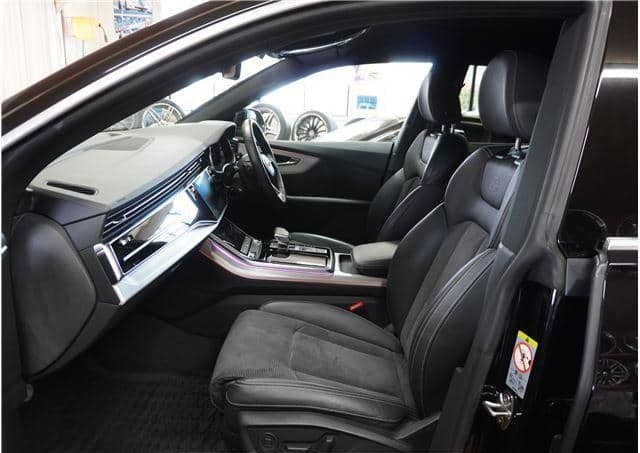
The 2019 AUDI Q8 blends fastback styling with AUDI’s quattro driveline and a luxurious interior. As an upscale SUV, it repays careful service with long life and strong resale — but maintenance is more involved and costly than with mainstream vehicles. This guide summarizes what to service, common problems owners report, recommended service interval targets, and what to inspect when buying or examining a used Q8.
Core Maintenance Items (what to service)
- Engine oil & filter: Use manufacturer-spec synthetic oil. Regular oil and filter changes protect the turbocharged 3.0 TFSI V6 and any turbo components.
- Transmission & transfer case: Check and change fluid per Audi recommendations (many technicians recommend periodic fluid replacement even if “lifetime” fluid is specified).
- Brakes: Inspect pads, rotors, and lines regularly; replace pads and resurface or replace rotors when worn.
- Suspension & air suspension components: If equipped with adaptive/air suspension, inspect compressor, air springs, valves, and height sensors.
- Cooling system: Inspect coolant level and hoses; flush/replace coolant on schedule to protect the turbo and engine components.
- Filters: Engine air filter, fuel filter (where applicable), and cabin air filter should be checked/replaced periodically.
- Spark plugs & ignition coils: Replace per interval or if misfire codes/rough idle appear.
- Battery & charging: High electrical load from features (MMI, cameras, sensors) means battery health is important—test and replace as needed.
- Software & sensor updates: Keep MMI, ADAS, engine control, and transmission software updated via dealer or qualified shop.
- Tires & alignment: High-performance, large-diameter wheels are common on Q8s; monitor tire wear, pressures, and alignment.
Typical Problems Owners Report
- Infotainment and electronics glitches: MMI screens, camera systems, and sensor errors have been reported — software updates often resolve them.
- Air suspension faults: Air springs, valves, or compressors can fail or leak, leading to costly repairs if not caught early.
- Turbocharger and oil-related issues: Turbocharged engines are sensitive to oil quality and intervals; inconsistent oil change histories can lead to premature wear.
- High wear on tires and brakes: Heavy curb weight and powerful engines mean faster wear on pads, rotors, and expensive low-profile tires.
- Occasional transmission roughness: Some owners report rough shifts or hesitation — ensure fluid is fresh and software is current.
Service Interval Targets (practical guidance)
Follow the owner’s manual first, but if you want practical targets for long-term care, consider these conservative intervals:

- Oil & oil filter: 7,500–10,000 miles or 6–12 months (more often — 5,000–7,500 miles — under severe use).
- Brake inspection: Every 10,000 miles; pads typically 25,000–50,000 miles depending on driving and pad compound.
- Brake fluid: Replace every 2 years.
- Transmission/transfer/differential fluid: Inspect at 30,000 miles; consider replacement every 60,000–100,000 miles.
- Air suspension service/diagnostic: Check annually or if ride height/ride quality changes; compressor replacement often required between 80,000–120,000 miles depending on conditions.
- Spark plugs & coils: Inspect/replace 60,000–80,000 miles or if misfires occur.
- Coolant: Inspect regularly; many recommend replacement every 4–6 years.
- Filters (engine & cabin): Engine: 20,000–30,000 miles; cabin: 15,000–30,000 miles.
- Battery: Typically 4–6 years depending on climate and use.
What to Watch For When Buying or Inspecting a Used 2019 Q8
- Full service history: Verify regular oil changes with synthetic oil, transmission/transfer fluid work, and any air suspension repairs.
- Signs of oil leaks or smoke: Visual inspection under the engine and tailpipe for blue/gray smoke on startup.
- Air suspension behavior: Cycle the ride heights, listen for compressor running constantly, and check for uneven stance.
- Electronics/ADAS functioning: Test MMI, navigation, backup/360 cameras, parking sensors, lane-keep, and adaptive cruise control for faults.
- Transmission shifting: Drive at varying speeds and loads — watch for harsh shifts, slipping, or hesitation.
- Tires & wheels: Check for curb rash, uneven wear, and the cost to replace large-diameter tires.
- Paint, body, and underbody: Inspect for prior accident repairs, mismatched panels, or rust in regions where salt is used.
- Diagnostic scan: Have a pre-purchase scan performed to read stored codes and adaptation values.
Cost Considerations & Tips
Expect maintenance and parts costs to be above average. Dealer visits are convenient for software updates and warranty/recall work, but specialty independent European shops can offer savings. Keep records of maintenance and prioritize preventative work (fluid changes, suspension checks) to avoid expensive failures.
Final thoughts
The 2019 Audi Q8 is a rewarding luxury SUV when it’s maintained proactively. Regular oil and filter changes, attention to the transmission and air suspension, timely brake and tire service, and keeping software up-to-date are the pillars of longevity. When buying used, verify service history, test electronics and suspension, and get a pre-purchase diagnostic scan. With careful maintenance and prompt attention to symptoms, a Q8 can remain a refined and capable vehicle for many years.
FAQs
Q: How often should I change the oil in a 2019 Q8?
A: Follow the owner’s manual, but plan on synthetic oil changes every 7,500–10,000 miles for normal use; shorten to 5,000–7,500 miles if you drive in severe conditions.

Q: Is the air suspension on the Q8 a common failure point?
A: Air suspension components can wear over time — compressors, air springs, and valves may fail and are relatively costly. Regular inspection and fixing small leaks early will reduce the chance of catastrophic failure.
Q: Are there known engine reliability issues with the 2019 Q8?
A: The 3.0 TFSI has generally been reliable, but turbocharged engines depend on proper oil care. Owners have reported fewer major engine failures when routine maintenance and oil changes were kept current. Watch for oil leaks, unusual noises, and check-engine lights.
Q: How expensive is it to maintain tires and brakes?
A: Expect above-average costs because Q8s commonly run large wheels and performance tires. Brake pad and rotor replacements are also pricier than on compact cars. Budget accordingly and shop around for quality parts and reputable service.

Q: Should I have software updates performed at the dealer?
A: Yes — dealer or an Audi-certified shop will have the proper access to update MMI, ADAS, engine and transmission control software. Updates often resolve electronics quirks and improve systems’ performance.


