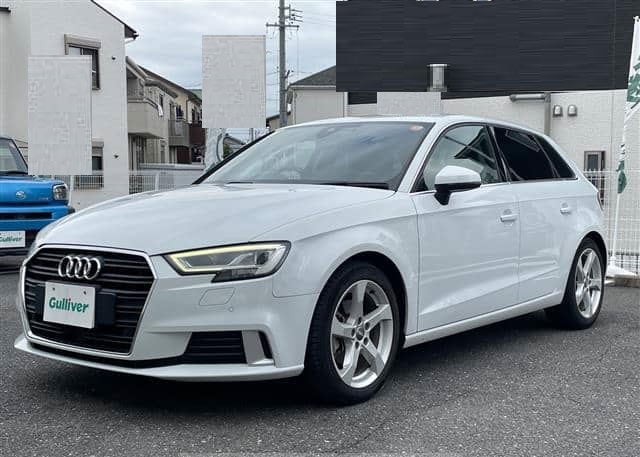
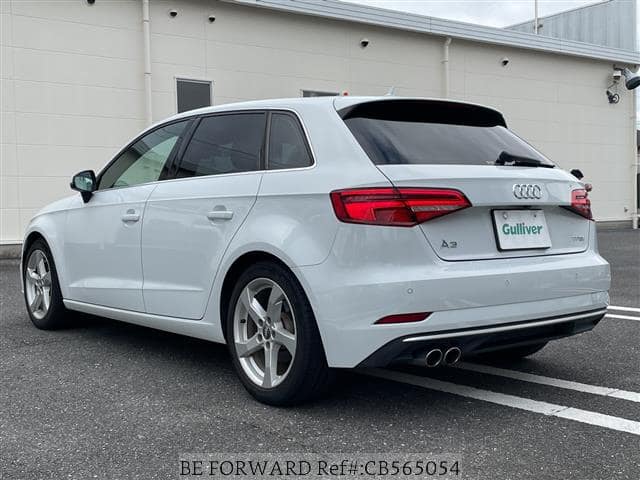
This guide gives focused, practical maintenance advice for a 2018 AUDI A3 and lists the best upgrades that deliver long‑term value. It’s aimed at owners who want dependable daily driving, lower lifetime costs, and smart improvements that retain resale value.
Overview
The 2018 AUDI A3 is a well‑built compact premium car. Like any vehicle, reliability depends on consistent preventative maintenance and choosing upgrades that solve real weaknesses rather than just cosmetic fixes. Below are prioritized maintenance tasks, inspection points, and upgrades that pay off over time.
Core Maintenance: What to do and when
Oil and filter: Use the recommended synthetic oil and change it on a regular schedule — more frequently if you do short trips or heavy driving.
Transmission service (S tronic/DSG): If your A3 has a dual‑clutch automatic, change the transmission fluid and filter at intervals recommended by Audi. This extends clutch life and prevents costly repairs.
Brake inspection: Check pads, rotors, and brake fluid. Replace brake fluid every 2 years to avoid moisture buildup and corrosion.
Coolant and cooling system: Inspect for leaks and replace coolant per the manual to protect the water pump, thermostat, and aluminum parts from corrosion.
Belts, hoses, and mounts: Check rubber parts for cracks or swelling and replace worn engine/transmission mounts to prevent drivetrain stress.
Tires and alignment: Rotate tires regularly, maintain proper pressures, and align wheels to prevent uneven wear and protect suspension components.
Fluids, Filters & Electrical
Clean fluids and fresh filters make the biggest difference in longevity:
Air filter and cabin filter — replace yearly or per driving conditions.
Fuel filter — if applicable, follow schedule to protect injectors and pump.
Battery and charging system — test annually; replace before degradation causes starting issues.
Keep electrical connectors and grounds clean and dry; intermittent electronics issues are often caused by poor connections.
Regular Inspections and Diagnostics
Schedule a full inspection once a year or every 10–15k miles. A professional scan of the car’s modules (ECU, transmission, ABS) can reveal pending faults early. Keep service records — documented history increases resale value and helps track recurring issues.
Rust Prevention and Interior Care
Protect the body and interior to maintain value and prevent long‑term deterioration:
Address chips and scratches promptly; touch‑up paint prevents corrosion.
Wash and wax regularly, and undercoating or rustproofing in snowy/coastal climates helps steel components.
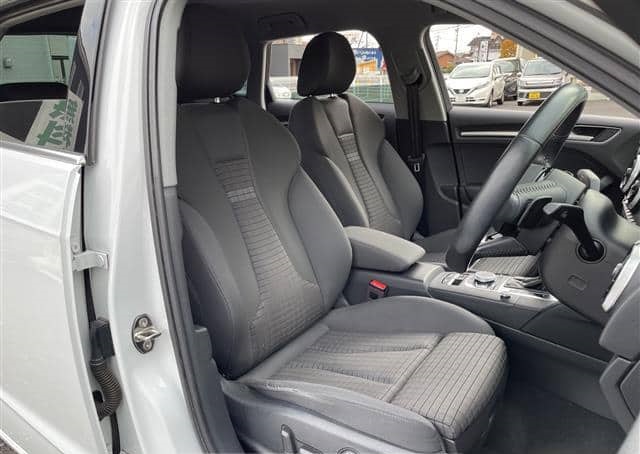
Use floor mats and sunshades to preserve the interior.
Best Upgrades That Deliver Long‑Term Benefit
When upgrading, prioritize items that improve safety, longevity, efficiency, or resale value.
1. High‑Quality Tires
Invest in tires that match your driving conditions (all‑season, summer, winter). Good tires improve braking, fuel economy, and ride comfort — and protect your suspension and alignment.
2. Brake Components
Upgrading to higher‑quality pads and rotors (OEM‑equivalent or slightly upgraded compounds) increases stopping power and reduces vibration. Ceramic or premium semi‑metallic pads offer longer life and quieter operation under normal driving.
3. Suspension Bushings and Mounts
Replace worn rubber bushings, sway bar links, and engine/transmission mounts with OEM or durable aftermarket parts. This restores handling precision and reduces drivetrain noise.
4. Cooling Upgrades (Thermostat/Radiator Care)
A reliable cooling system prevents head gasket and turbocharger issues (if equipped). Consider a fresh thermostat and quality coolant hoses if original components are aged.
5. Battery and Charging Improvements
Upgrading to a high‑quality battery and ensuring the alternator is healthy prevents unexpected failures and keeps electronics stable. Lithium replacements are lightweight but consider OEM specs for cold weather performance.
6. Lighting and Visibility
Replace worn headlight lenses and upgrade bulbs to OEM+ quality. Better lighting enhances safety at night and costs little compared to accident repair.
7. Protective Interior/Exterior Additions
All‑weather mats, paint protection film on the hood, and a clear bra in high‑impact areas preserve cosmetic condition and resale value.
8. Software and Diagnostics
Keep software updated via dealer or reputable shop. Avoid performance tunes that increase stress unless you plan supporting hardware upgrades — mild ECU improvements should always be paired with cooling/engine protection measures.
DIY vs Professional Service
Routine items like oil/filter changes, cabin filters, and basic inspections are DIY‑friendly if you have tools and a workspace. Anything involving the transmission, timing components, turbo systems, or advanced diagnostics is best left to a certified shop with Audi experience.
Final thoughts
Keeping a 2018 Audi A3 reliable is more about consistency than expensive fixes. Follow the manufacturer’s service intervals, use high‑quality fluids and parts, and proactively replace wear items. Prioritize upgrades that improve safety, durability, and resale value — quality tires, brakes, suspension bushings, cooling care, and battery improvements deliver the most long‑term benefit. With regular care and smart upgrades, your A3 can remain a dependable, enjoyable car for many years.
FAQs
How often should I change the oil?
Follow the owner’s manual recommendation. For most modern Audi TFSI engines, synthetic oil changes every 7,500–10,000 miles are common, but change more often if you do many short trips, towing, or aggressive driving.
When should I service the S tronic (DSG) transmission?
Change the transmission fluid and filter at intervals recommended by Audi. Neglecting this service is a common cause of clutch and valve body issues. If unsure, consult a qualified Audi shop.
Are performance tunes safe for long‑term reliability?
Not always. Mild ECU updates from reputable tuners that respect factory limits and include safety maps can be fine, but aggressive tunes increase stress and often require strengthened cooling, fueling, and drivetrain parts.
What common problems should I watch for?
Watch for oil leaks, cooling system weakness, warning lights, transmission hesitations, and premature brake or tire wear. Regular inspections catch these early.
Can I do maintenance myself?
Yes for many basic tasks (fluids, filters, wipers, tires). For complex systems like DSG servicing, timing/valvetrain work, and airbag/electrical repairs, use a professional with Audi experience.
The 2016 AUDI A3 (8V generation) is a versatile compact executive car and picking the “right” spec depends on how you actually use the car. Below is a practical, decision-focused...
The AUDI A3 2018 is a compact luxury vehicle that combines performance with aesthetic appeal, catering to a segment of drivers discerning about style and sophistication. However, in the context...
As an experienced car inspector in Uganda, I often encounter questions regarding the suitability of vehicles for our unique driving conditions. The AUDI A3 2025, known for its sleek design...
Good question — choosing the right specification for a 2022 AUDI A3 comes down to balancing comfort, safety, handling and everyday practicality. The A3 is a compact luxury car with...
Family owned dealership of new and pre-owned vehicles with several locations across the Uganda. Lowest prices and the best customer service guaranteed.
You're almost there, select at least one more to compare!
We use cookies to ensure that we give you the best experience on our website. If you continue to use this site we will assume that you are happy with it.
You can revoke your consent any time using the Revoke consent button.